

Leasing an industrial factory is a crucial step that determines the smooth operation and long-term development of a business. However, not everyone fully understands the key factors to consider to avoid risks, unexpected costs, or legal issues. KTG Industrial highlights 11 important considerations when leasing a factory to help businesses prepare thoroughly and select a suitable factory space, laying a solid foundation for their production and business activities.
11 Key considerations when leasing industrial factory space
Determining usage requirements
When leasing industrial factory space, businesses should clearly define their intended use, whether for manufacturing, assembly, or warehousing. Clarifying this purpose helps in selecting a factory with the appropriate size and design. Depending on specific operations, spatial and infrastructure requirements will vary. Therefore, defining these needs upfront will support a more efficient search process.
Mechanisms & policies of industrial zones or clusters
It is essential to understand the mechanisms and support policies of the industrial zone or cluster when considering leasing a factory. For properties privately owned outside of industrial zones, businesses should discuss with landlords about potential support or exemptions, such as tax relief, VAT discounts, management services, security, or wastewater treatment.
If leasing within an industrial zone, it is important to carefully research any applicable incentive policies, such as tax exemptions for the first two years and a 50% reduction for the following four years (commonly known as “2 years exemption, 4 years reduction”), as well as other infrastructure and service support. Having a clear understanding of these factors will help businesses make comprehensive evaluations regarding operating costs and investment efficiency.
Transportation and the surrounding amenities of the factory
To ensure efficient and stable production operations, evaluating the factory’s location is essential. A factory with convenient transportation connections—close to major roads, seaports, or airports—greatly supports the logistics process and helps reduce transportation costs.
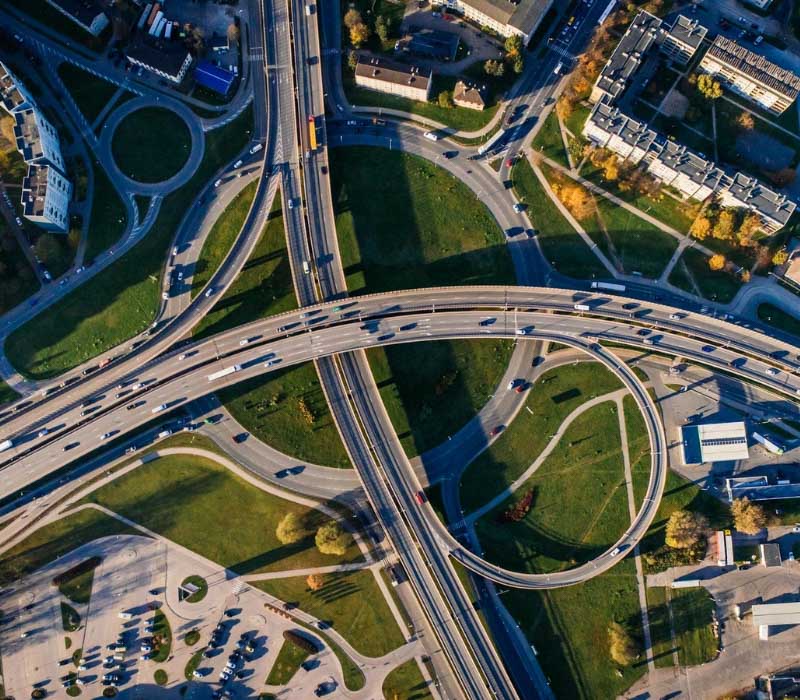
Convenient transportation is a significant advantage
Additionally, nearby amenities such as banks, post offices, and supply stores enable businesses to operate more proactively. Security in the area is also a critical factor to carefully consider, ensuring the safety of goods and assets throughout the leasing period.
Lease type and factory area
When planning to lease an industrial factory, it is important to choose a suitable lease type, which could be a full lease or partial lease, either inside or outside an industrial park. Additionally, the leased area should be carefully calculated based on the volume of goods, layout, and aisle space, which typically accounts for about 10%.
Businesses should also consider future expansion potential to avoid additional costs related to relocating or modifying the factory space.
Location of the industrial factory
The location of the factory plays a crucial role in the storage and preservation of goods. Tenants should select a site with convenient transportation access to ensure a smooth flow of delivery vehicles and enable fast, efficient distribution.
Furthermore, the warehouse floor should be elevated and free from flood-prone areas, as this directly affects the quality of goods, especially for perishable products. For newly established companies, choosing a centralized warehouse rather than an independent one can facilitate labor recruitment and reduce transportation costs, thereby supporting business operations more effectively.
Infrastructure
Before finalizing a lease, evaluating the infrastructure is essential to ensure smooth production activities. The electrical system must have sufficient capacity to meet demands, and the water supply should be stable and clean.
If the production process requires special environmental conditions, ventilation and air conditioning systems should be thoroughly inspected to protect product quality and employee health. Additionally, amenities such as restrooms, break areas, and supporting equipment also contribute to enhancing work efficiency.
Rental price
One of the key considerations when leasing a factory is the rental price, which is influenced by various factors including location, area, and included facilities such as fire prevention systems, forklift ramps, or cranes. Surveying multiple factories allows businesses to gain a comprehensive perspective and compare market prices.
Besides the base rent, additional costs such as electricity, water, and maintenance services should be carefully accounted for. Tenants are encouraged to negotiate to secure a favorable price and reduce overall expenses.

Optimizing costs is always preferable
Support services when leasing industrial factories
In addition to other factors, businesses should pay attention to the accompanying support services to ensure smooth operations. Maintenance services play a critical role in preserving and repairing infrastructure and equipment, thereby minimizing disruptions and unexpected costs.
Legal support services are also valuable in handling issues related to contracts or regulatory compliance during the lease period. Moreover, production consulting services can provide important assistance in optimizing processes, improving efficiency, and reducing costs.
Additionally, companies need to verify whether the factory provides basic services such as security, utilities (especially three-phase electricity if required), loading and unloading, transportation, and inventory management to facilitate daily operations.
Lease duration of industrial factories
Another important consideration when leasing a factory is determining an appropriate lease term. Contract duration typically depends on your business plan and may range from 3, 5, or 10 years, based on the need for stability and infrastructure investment. Upon expiration, you can review and negotiate contract renewal or adjustment according to actual needs. For long-term contracts, attention should be given to annual rental increases, which generally range from 5% to 10%, to avoid unexpected cost escalation.
Security deposit for leasing
Clearly defining the security deposit amount is essential to prevent potential disputes later. The common deposit range is typically from 1 to 3 months’ rent, depending on the agreement between the parties to ensure timely payments.
If rent is paid at the beginning of the month, the deposit may be as high as 2 months’ rent. Additionally, late payment penalties are often stipulated at 2% per day on the overdue amount. Negotiating a reduced deposit can be an effective way to optimize cash flow.
Lease contract
The lease contract is the key document protecting the rights of both parties during the leasing process. First, ensure that the business sector is permitted to operate at the leased location by the investment license. The lessor must hold a valid business registration license for leasing warehouses or factory premises, and these documents should be attached to the contract.

Contracts should be carefully reviewed before signing
Furthermore, terms regarding contract renewal should be explicitly stated to facilitate continued leasing after the initial term. Termination clauses are equally important to avoid legal complications if the lease ends early or is extended beyond the agreed period. Careful reading and thorough understanding of all contract provisions are indispensable when leasing an industrial factory.
KTG Industrial – Solutions for leasing ready-built and custom-built industrial factories
In the context of modern industrial development increasingly intertwined with environmental responsibility, KTG Industrial stands out as a pioneering example by integrating Industry 4.0 technology with green and sustainable factory solutions, contributing to building an environmentally friendly and energy-efficient industrial future.
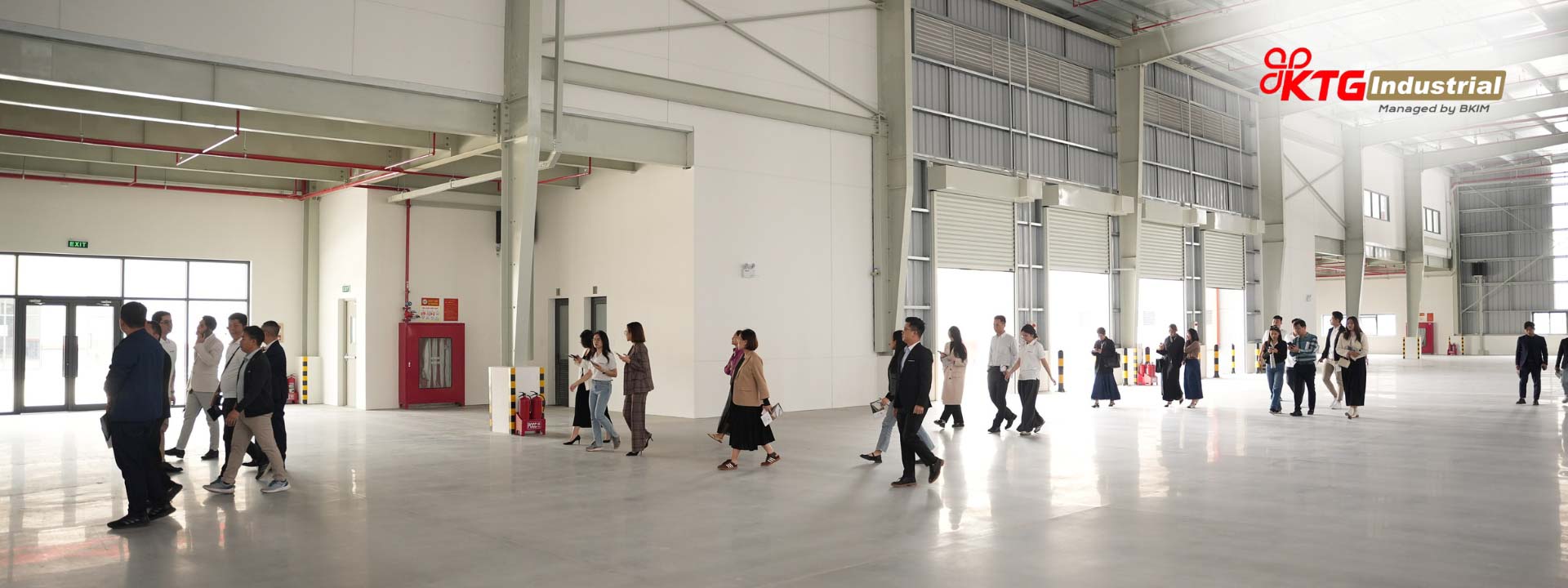
KTG Industrial not only offers ready-built and custom-built factory leasing services but also emphasizes ESG (Environmental, Social, Governance) activities. The warehouses and factories under KTG Industrial are equipped with modern fire prevention and fighting systems and durable concrete floors, ensuring maximum safety for workers.
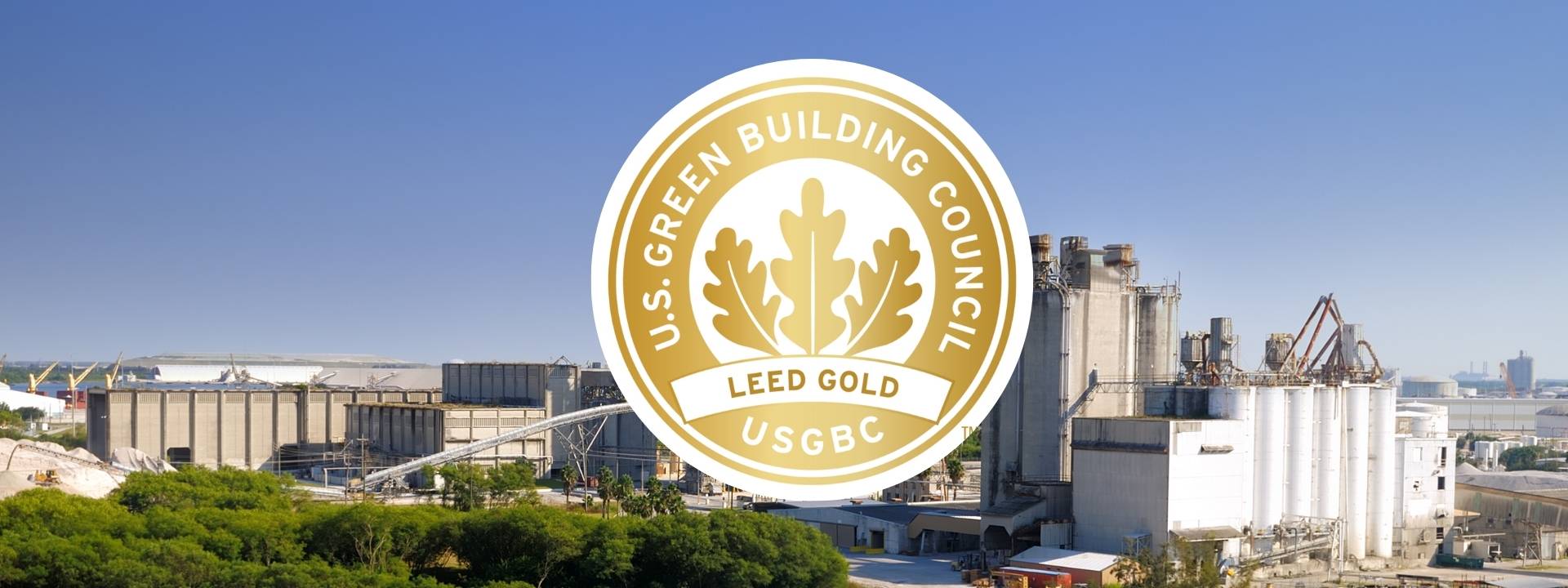
Committed to carbon emission reduction and targeting Net Zero goals, KTG Industrial leads the development of the “Industry 4.0 Factory” model, integrating digital technologies and intelligent operational processes to optimize management efficiency, save energy, and reduce environmental impact. This generation of green factories in Vietnam is designed according to LEED standards – an international certification for environmentally friendly buildings – to ensure energy savings, emission reduction, and improved working environment quality.
Additionally, KTG Industrial implements rooftop solar energy systems, expands green areas, and applies green building standards to enhance the sustainability value of industrial zones. These solutions allow tenants to own not only a modern production space but also to join the trend of clean and green industrial development in Vietnam.