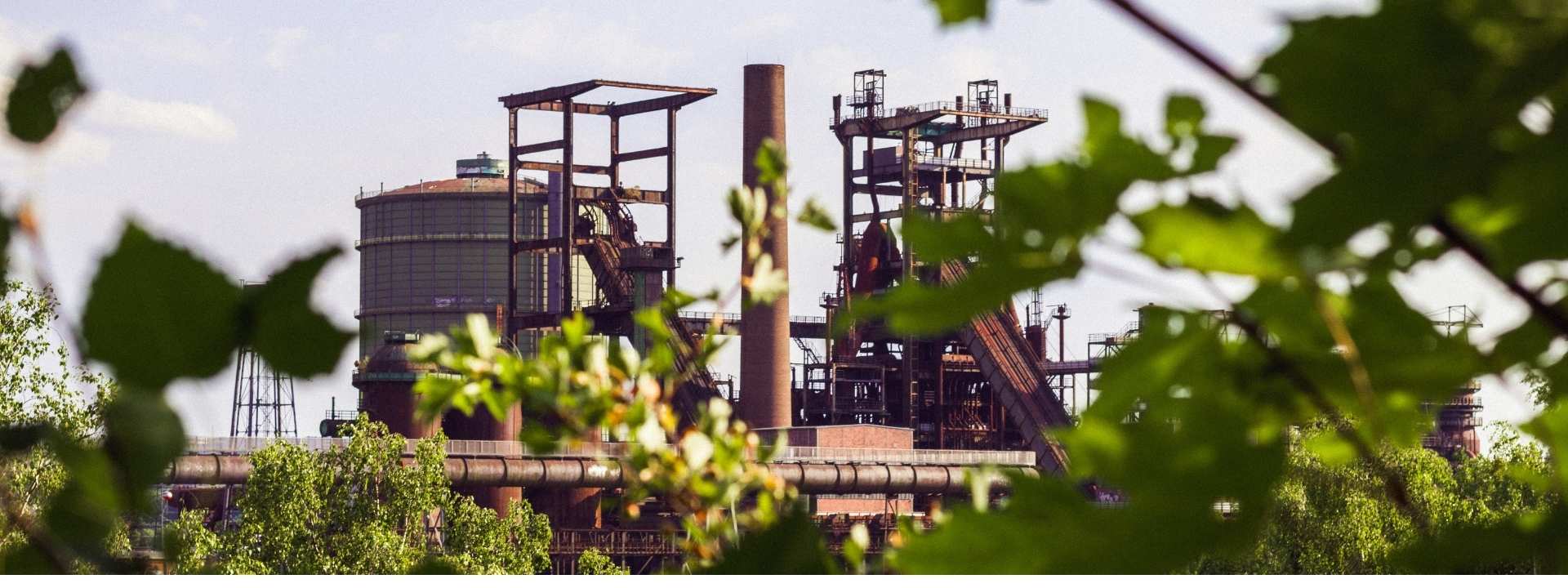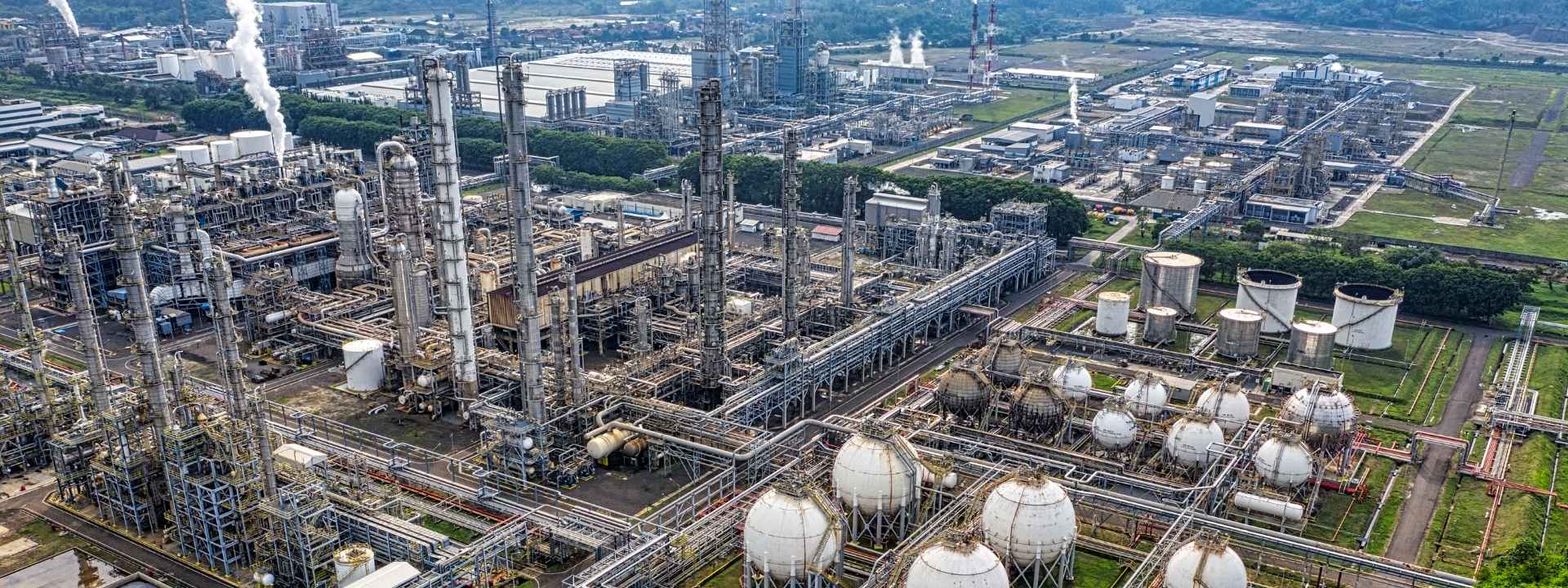


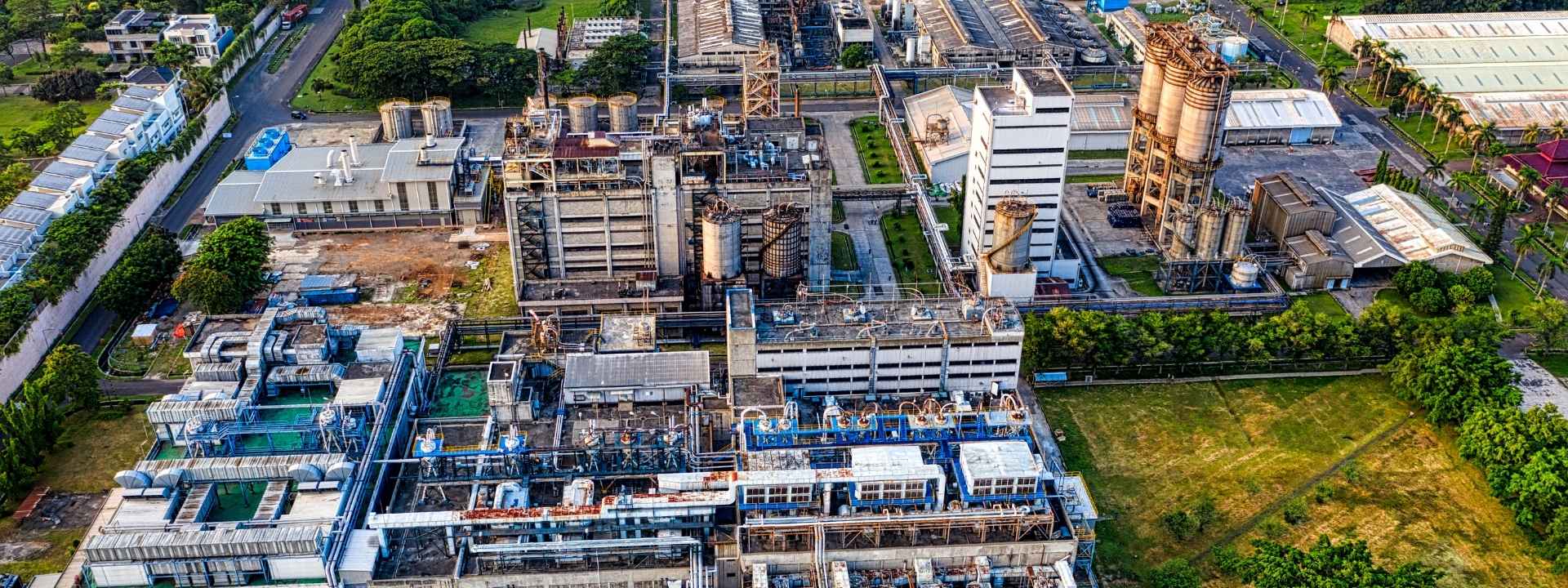
As one of the top FDI hubs in Northern Vietnam, Bac Ninh is gradually transforming from an electronics manufacturing hub into a center for sustainable industrial development. Amid growing demands for supply chain greening, the province has launched a pilot conversion of three key industrial parks into eco-industrial park models.
This is considered a strategic move to help enterprises adapt to new environmental standards and maintain their competitiveness in the international market.
A three-stage roadmap towards Net-Zero industrial parks in Bac Ninh
Bac Ninh is aiming for a sustainable industrial park (IP) development model through three transformation stages: Eco-industrial parks, carbon-neutral industrial parks, and Net-Zero carbon industrial parks.
This roadmap helps businesses step-by-step reduce emissions, optimize resources, and meet green standards in the global supply chain.
Eco-industrial park (EIP)
According to the United Nations Industrial Development Organization (UNIDO), an eco-industrial park is a model where businesses collaborate to enhance resource efficiency, reduce environmental impact, and create long-term economic value [1].
Unlike traditional industrial parks, this model focuses on optimizing the use of energy, water, and raw materials, while promoting industrial symbiosis-where waste or by-products from one business become input materials for another.
In addition, enterprises are encouraged to apply cleaner production solutions to reduce resource consumption and minimize emissions during operations.
In Bac Ninh, at least three industrial parks-including VSIP Bac Ninh, Yen Phong Expanded, and Yen Phong II-are expected to be selected for the pilot transition into eco-industrial parks. This is regarded as the initial step in greening the province’s industrial system [2].
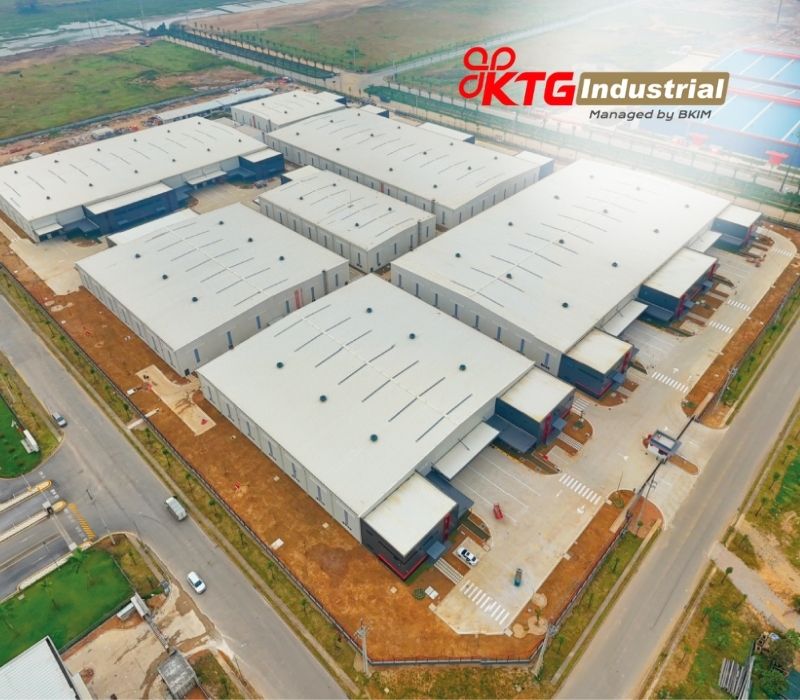
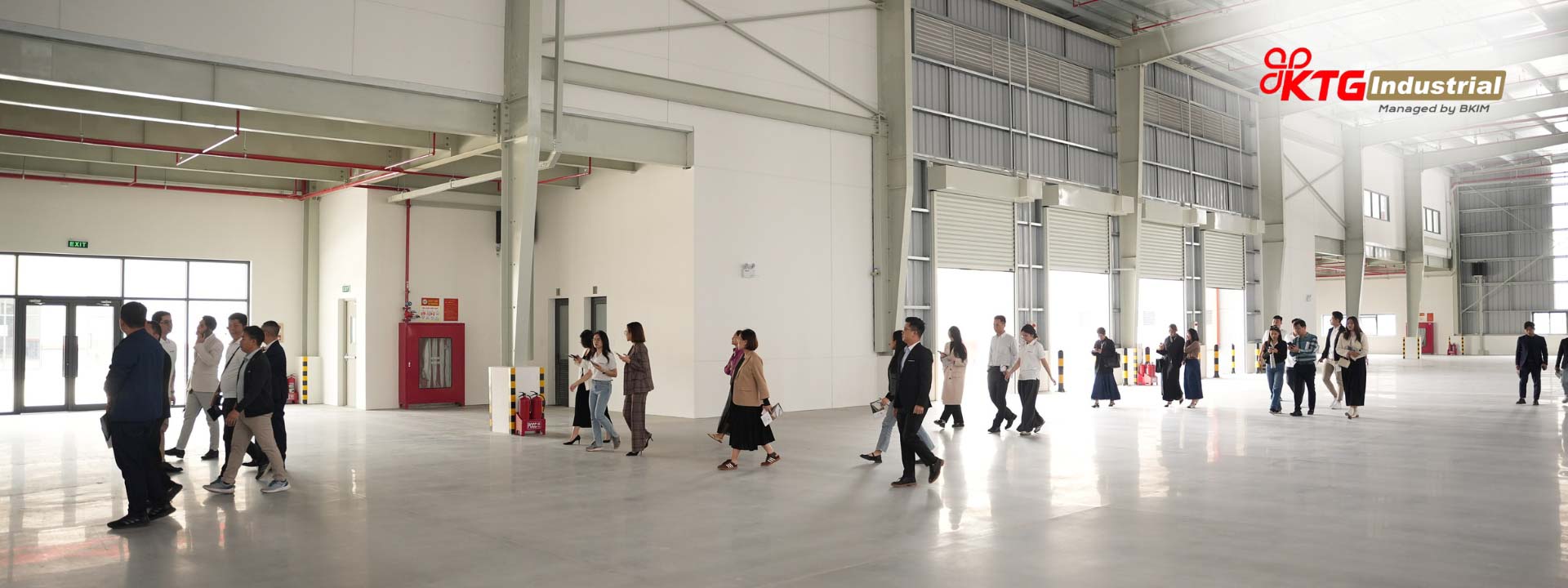
Located at VSIP Bac Ninh, KTG Industrial connects manufacturing with green development
Carbon-neutral industrial park
Following the foundational phase of building an eco-park, industrial parks aiming for carbon neutrality will focus on controlling and reducing emissions generated during operations.
Key solutions include greenhouse gas (GHG) accounting, increasing the share of renewable energy, and improving energy efficiency. For emissions that cannot be completely eliminated, businesses can implement carbon offset solutions, such as utilizing carbon credits or carbon absorption initiatives.
This model helps industrial parks systematically control their carbon footprint while creating a database to serve ESG requirements from customers and the global supply chain.
Net-Zero industrial park
The highest level of development is the Net-Zero industrial park, which aims for net-zero emissions by minimizing emissions as much as possible and balancing any remaining emissions.
To achieve this goal, the industrial park needs to construct a closed-loop manufacturing ecosystem, where energy, resources, waste, and operational data are managed synchronously. At the same time, Environmental, Social, and Governance (ESG) standards must be integrated throughout the planning, operation, and management of the entire industrial park [3].
The Net-Zero model not only helps businesses meet increasingly strict environmental requirements but also enhances their long-term participation in international supply chains.
The corporate challenge: “Greening” and practical barriers
Strict requirements from export markets
Major markets such as the US, EU, Japan, and South Korea are increasingly imposing stringent requirements regarding ESG, carbon emissions control, and supply chain transparency. For exporting enterprises, meeting these standards not only maintains competitiveness but is also a critical prerequisite for accessing international clients, joining global supply chains, and leveraging trade incentives.
In addition to product quality, businesses today must demonstrate the origin of raw materials, energy consumption levels, and emissions produced during manufacturing. Factories lacking environmental data or emission reduction solutions may face difficulties when engaging with major global corporations.
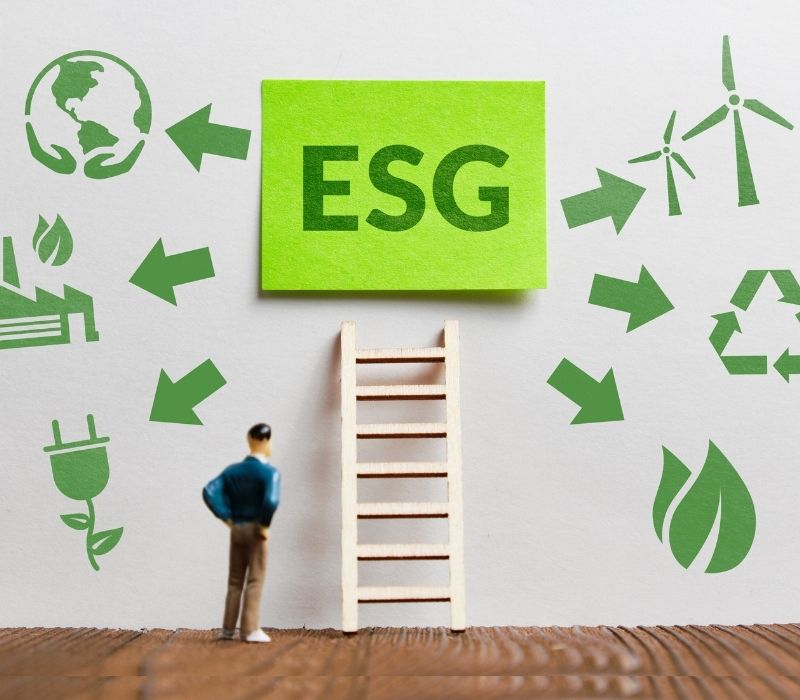
ESG standards are becoming an essential condition for businesses to participate in global supply chains
Long-term benefits of greening
Although the green transition requires initial capital investment, businesses stand to gain numerous long-term benefits. One major advantage is access to green financing, including preferential loans for projects utilizing clean technology, saving energy, or reducing emissions.
Furthermore, green factories enable enterprises to optimize operational costs through reduced electricity and water consumption, lower waste treatment expenses, and improved resource efficiency. Concurrently, a sustainable brand image enhances corporate reputation, creating a competitive edge in attracting customers and high-quality talent.
Major barriers in capital expenditure (Capex) and implementation time
Alongside long-term benefits, greening a factory presents several challenges, particularly regarding initial capital expenditure (Capex).
According to Dr. Nguyen Ngoc Thuy from the United Nations Office for Project Services (UNOPS), Vietnam possesses strong advantages in attracting FDI thanks to supportive industrial policy frameworks, investment incentives, infrastructure development, and an increasingly favorable business environment.
For FDI enterprises building green factories from scratch, upfront costs can surge due to integrating standards for building design, renewable energy, environmental management, and carbon data tracking systems. Additionally, fulfilling ESG-related requirements requires extra time-from standards assessment and operational workflow development to emission monitoring.
In a context where businesses need to operationalize projects quickly to meet market demand, self-managing the entire greening process can delay preparation and jeopardize business opportunities.
Therefore, ready-built green factory solutions are becoming an ideal choice, helping FDI enterprises rapidly access infrastructure that meets sustainability standards without bearing the full burden of initial capital investment and implementation time [2].
KTG Industrial partnering with FDI enterprises in Vietnam
Strategic location at the core of pilot green industrial parks
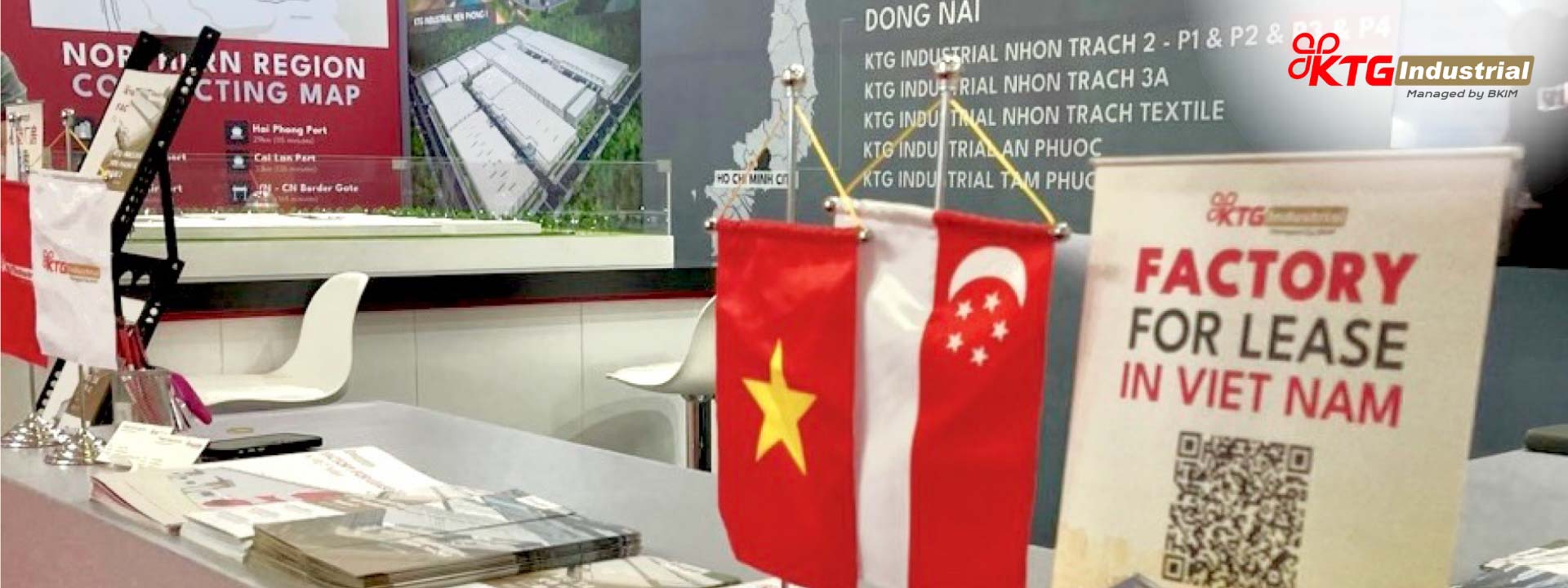
KTG Industrial develops a system of ready-built factories in key locations such as VSIP Bac Ninh, Yen Phong, and Yen Phong II, situated in regions currently targeted for transition to eco-industrial park models.
This provides a distinct advantage for FDI enterprises to gain faster access to modern manufacturing ecosystems while seamlessly connecting with high-tech supply chains in Northern Vietnam.
Ready to meet global green standards, optimizing Capex and time
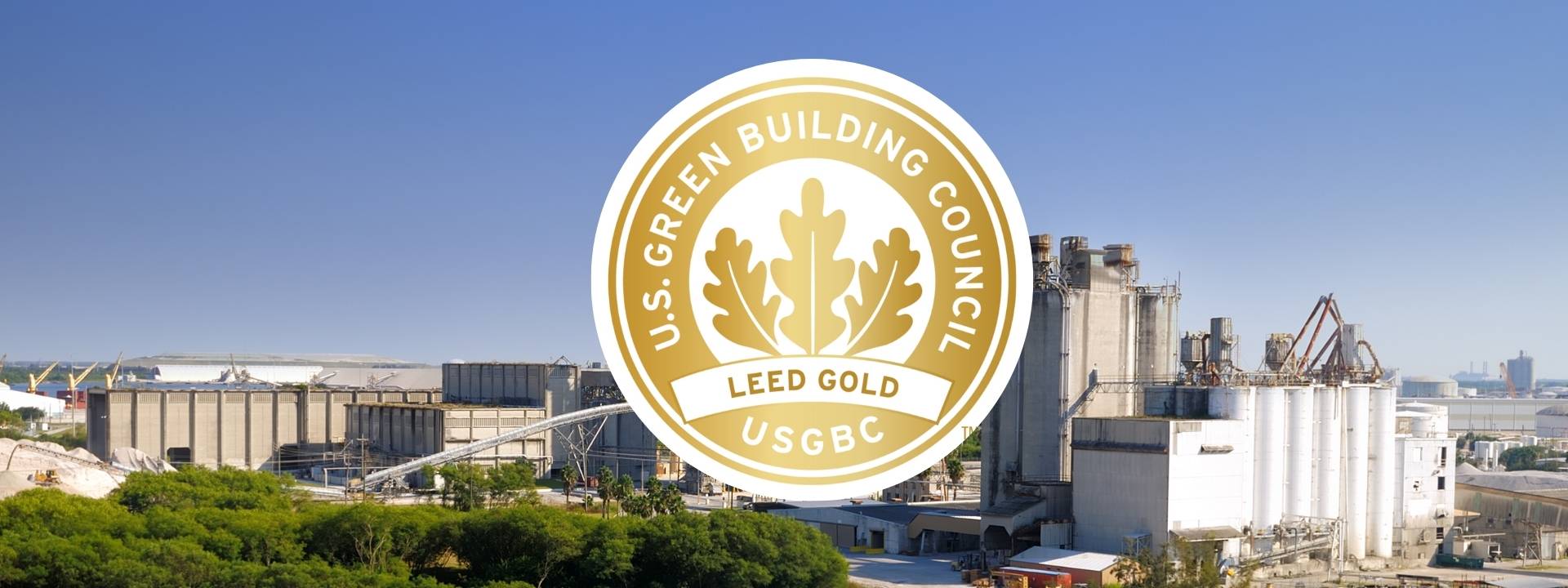
KTG Industrial’s projects are developed to meet international green standards, featuring factories with LEED/LEED Gold certifications, along with synchronized technical infrastructure and efficient operational solutions.
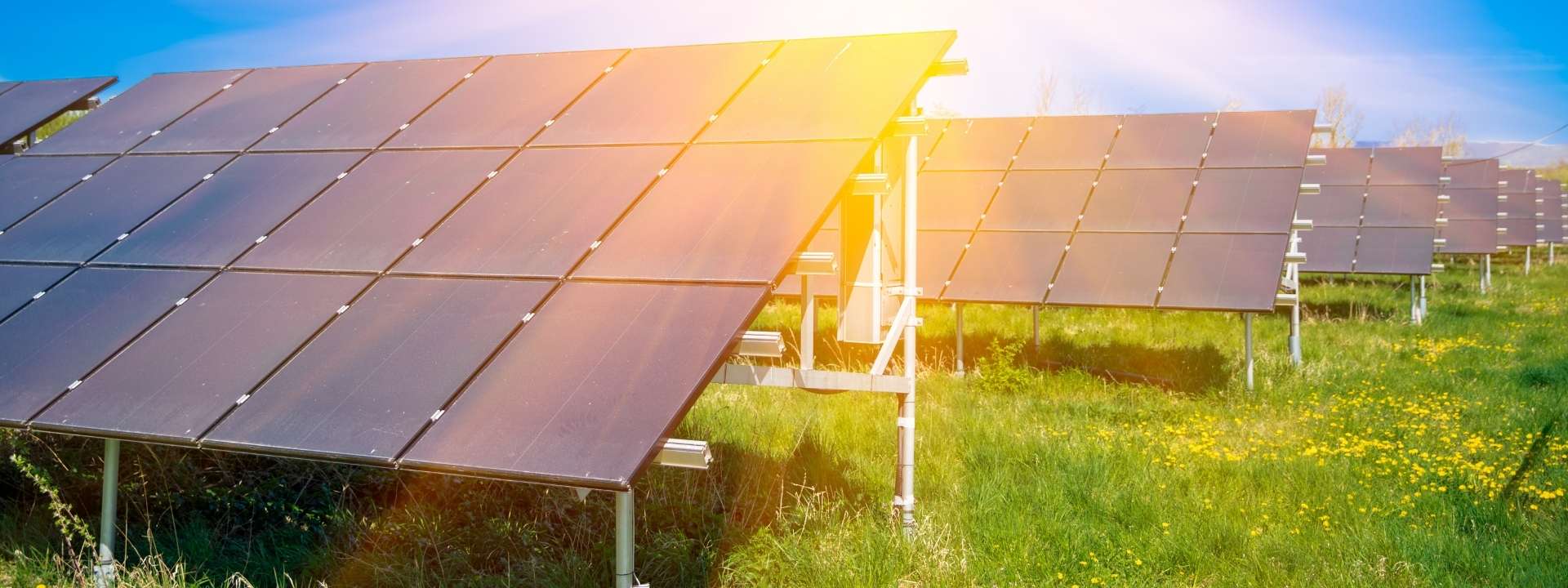
In addition to meeting green building requirements, KTG Industrial integrates solutions such as rooftop solar power, energy-efficient designs, thermal insulation, and natural lighting systems, helping enterprises optimize energy consumption as soon as the factory becomes operational.
Through the ready-built factory model, KTG Industrial helps FDI enterprises alleviate initial capital investment pressure (Capex), shorten project deployment times, and quickly satisfy ESG requirements from international clients.
With a deep understanding of the local market and extensive experience in developing industrial real estate to international standards, KTG Industrial provides manufacturing space while helping enterprises integrate deeper into Vietnam’s green supply chain.
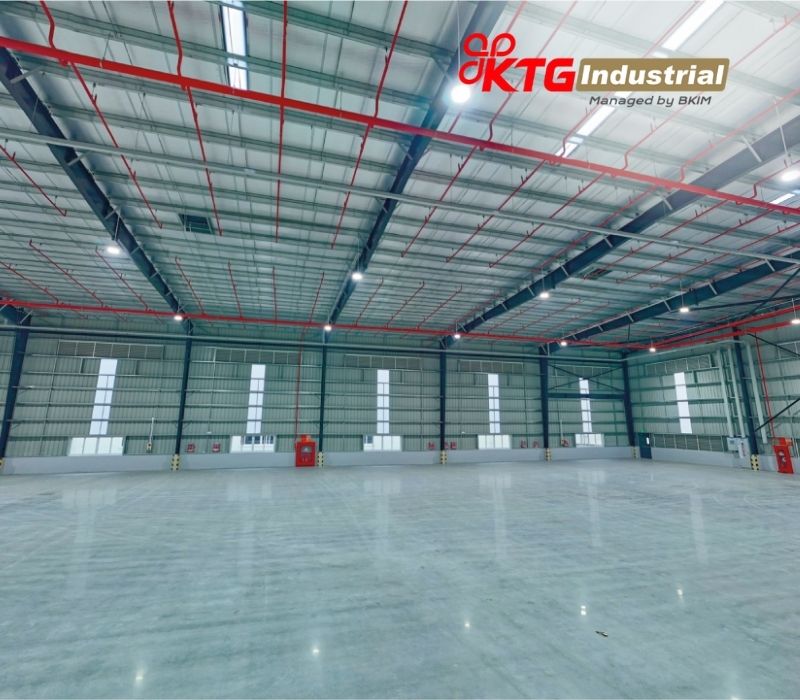
From green infrastructure to efficient operations, KTG Industrial partners with FDI enterprises
Conclusion
Bac Ninh stands before the opportunity to become a model for green industrial transition in Vietnam as it gradually builds an eco-industrial park ecosystem aimed at Net-Zero goals. However, to realize this vision, FDI enterprises need to select production locations with location advantages and consider their ability to meet ESG standards, optimize operational costs, and maintain long-term competitiveness.
With ready-built green factory solutions, KTG Industrial offers a choice that helps businesses shorten deployment times, ease upfront capital pressure, and swiftly join sustainable supply chains in Vietnam.
References
[1] Nisasia Ekafitrina, Charles Arthur (2023). Eco-industrial parks: resource efficiency and industrial symbiosis. United Nations Industrial Development Organization.
https://www.unido.org/stories/eco-industrial-parks-resource-efficiency-and-industrial-symbiosis
[2] Ha Quan (2026). Bac Ninh to pilot 3 eco-industrial parks, targeting net-zero carbon. NetZero.VN.
https://netzero.vn/bac-ninh-se-thi-diem-3-khu-cong-nghiep-sinh-thai-huong-toi-net-zero-carbon/
[3] United Nations. For a livable climate: Net-zero commitments must be backed by credible action.
https://www.un.org/en/climatechange/net-zero-coalition