

Vietnam is becoming a preferred destination for many international businesses thanks to its strategic location, cost advantages, and ability to participate in global supply chains. However, along with the new wave of investment, the demand for green industrial real estate is receiving increased attention to meet ESG commitments and Net Zero targets.
Finding a suitable project remains a challenge as information regarding certifications, costs, and developers remains fragmented. This article from KTG Industrial provides a comprehensive overview of the green factory market in Vietnam, from popular models to current reputable developers.
Key regions and green-certified factories for rent in Vietnam
Key regions
Northern region
Provinces such as Bac Ninh, Hai Phong, and Quang Ninh are attracting numerous manufacturing enterprises in the electronics, semiconductor, and high-tech sectors. Thanks to their proximity to China and an increasingly completed network of seaports, expressways, and airports, this region offers convenient connectivity for supply chains and import-export activities.
Southern region
Binh Duong, Dong Nai, and Long An continue to lead industrial development in Vietnam. This region boasts an advanced logistics network, an abundant workforce, and a complete business ecosystem suited for various manufacturing industries, including mechanical engineering, food processing, electronics, and consumer goods.
Green-certified factories for rent in Vietnam
The green building development trend is being adopted by many developers to meet the growing demand for ESG-compliant factory rentals from both domestic and foreign enterprises.
Besides developing green-certified factories and warehouses, many units also assist tenants with legal procedures, providing ESG documentation and relevant operational sustainability information.
Notable developers and projects include KTG Industrial, NTB Industrial Park, BW Industrial, Frasers Property Vietnam, and LOGOS Property. Each entity has distinct development strategies and project portfolios, giving businesses options tailored to their scale and production needs.
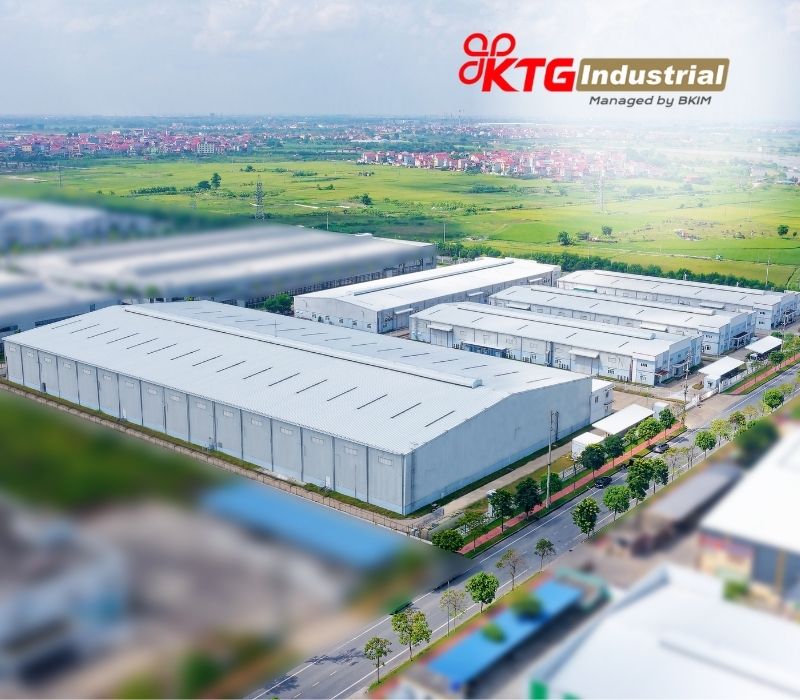
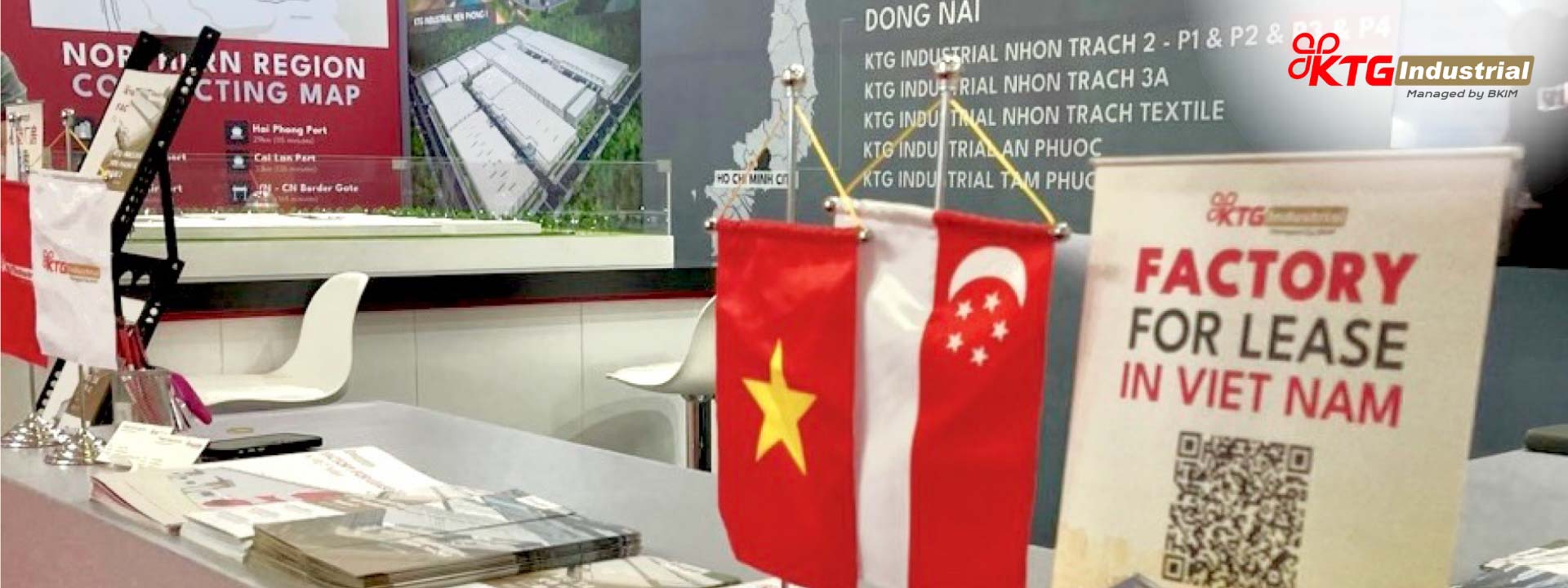
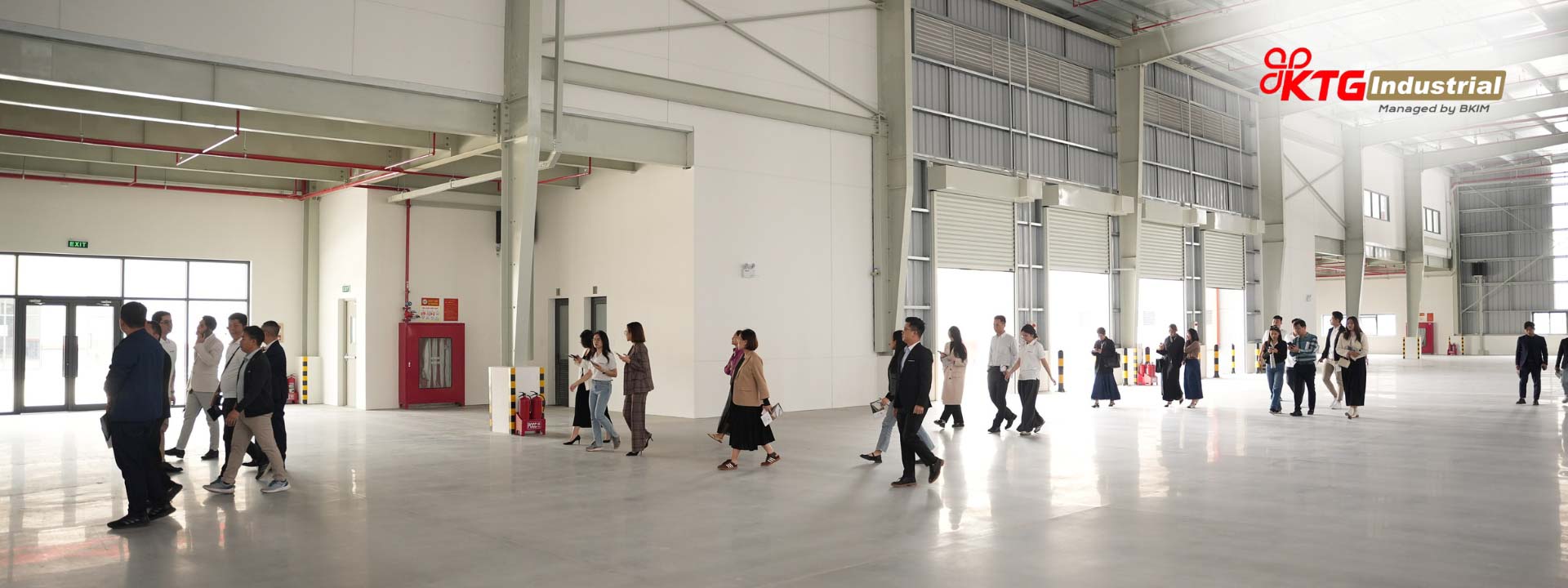
KTG Industrial joins the trend of green industrial real estate development.
Green standards applied in Vietnam
Currently, LEED, EDGE, and LOTUS are the three most widely applied green building certifications for factory and warehouse projects in Vietnam. Each standard features distinct assessment criteria suited to different investment and operational requirements.
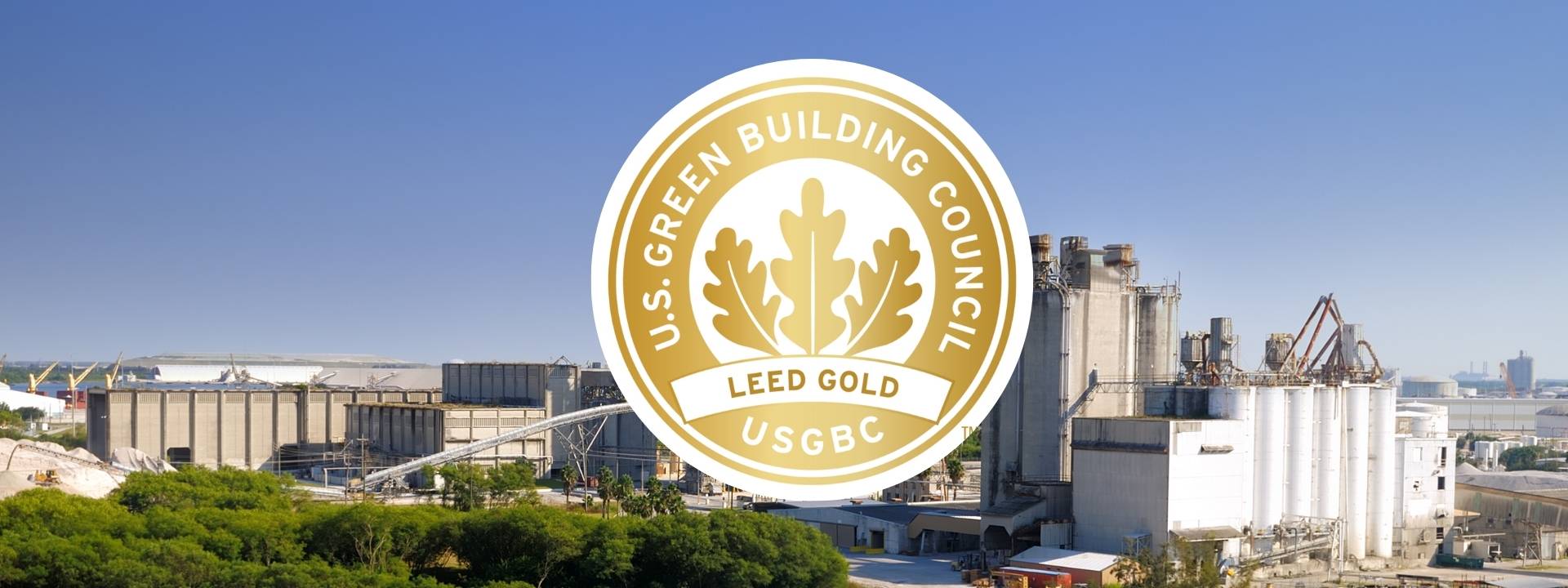
LEED (U.S. Green Building Council)
LEED is one of the most globally recognized green building certifications, particularly favored by enterprises from the US and Europe. This standard comprehensively evaluates various factors, including energy efficiency, sustainable building materials, water management, and indoor environmental quality.
Thanks to its international prestige, LEED-certified projects often provide a competitive advantage when enterprises need to meet ESG requirements and global supply chain standards.
EDGE (IFC – World Bank Group)
EDGE was developed by the IFC, a member of the World Bank Group, aiming to help enterprises implement green buildings in a simple and measurable way. To achieve EDGE certification, a project must demonstrate savings of at least 20% in energy, water, and embodied energy in materials [1].
This is a suitable choice for businesses seeking to optimize operational costs while still meeting sustainable development standards.
The EDGE standard prioritizes resource efficiency.
LOTUS (Vietnam Green Building Council – VGBC)
LOTUS is a green building rating system developed by the Vietnam Green Building Council (VGBC), designed specifically for tropical climate conditions and construction practices in Vietnam.
This standard evaluates criteria such as energy, water, materials, indoor environmental quality, and operational management, helping projects balance resource efficiency with local implementation feasibility.
Market overview and rental rates
Demand for LEED/EDGE-certified factories in Vietnam is rising alongside the influx of investments in high-tech manufacturing, electronics, and logistics. However, the supply of green-certified projects remains limited compared to actual demand, particularly in major industrial hubs.
Rental rates
According to reports from industrial real estate consultancies, green factory rental rates in Vietnam currently range from 4 – 7 USD/m²/month. This is a reference price and may vary depending on location, leasable area, lease term, building standards, and market conditions.
Although rental rates for green factories are typically higher than conventional ones, many enterprises still choose this model due to long-term operational cost optimization. Integrated energy- and water-saving solutions help lower resource consumption during production while supporting compliance with ESG requirements.
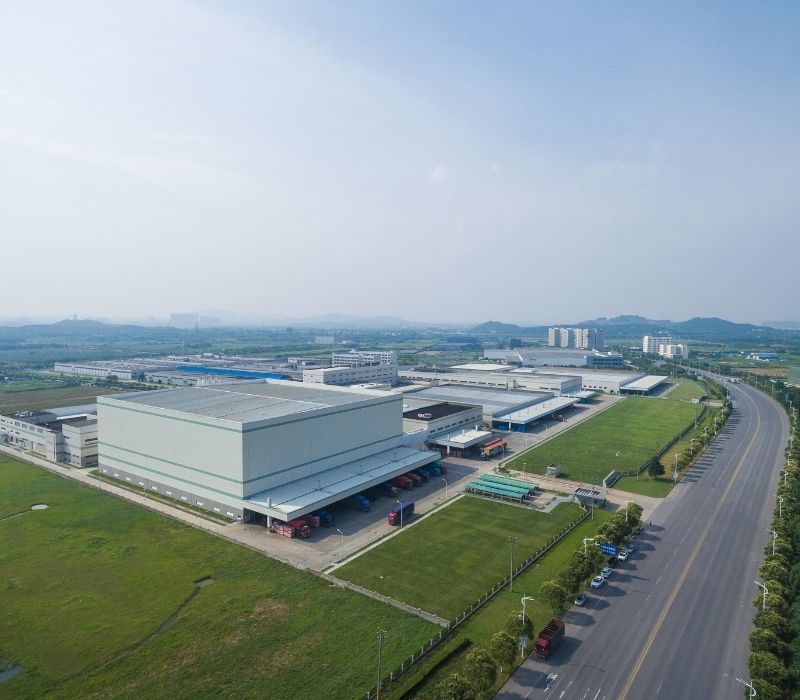
The green factory market continues to expand in Vietnam.
Standard technical infrastructure of a green factory
Current green factory projects are typically designed to meet sustainable operational standards right from the construction phase. Common infrastructure features include:
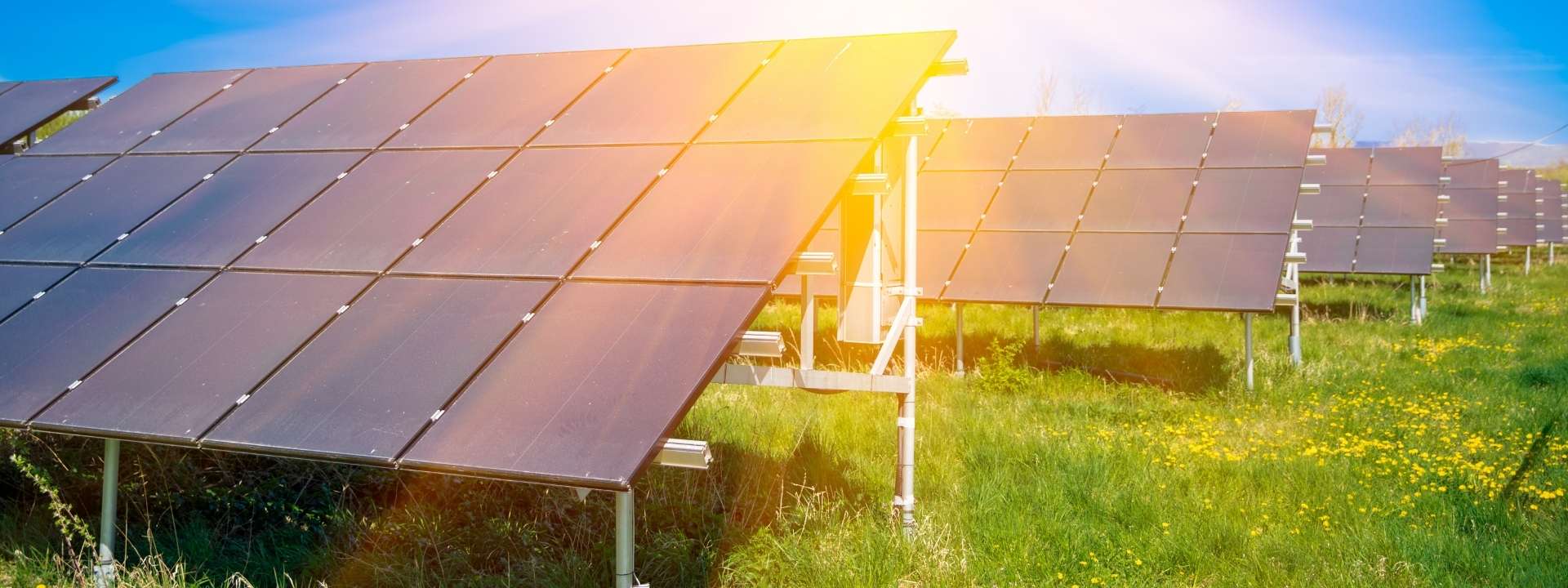
- Rooftop Solar Ready: Built-in infrastructure ready for solar panel installation.
- Water Management Systems: Standardized rainwater harvesting, water reuse, and wastewater treatment systems.
- Smart Energy Management System (EMS): Integrated with natural ventilation and daylighting solutions to maximize energy efficiency.
Process for renting a green factory for enterprises
Step 1: Determine mandatory ESG standards: Businesses need to clarify the standards required by clients or parent corporations, such as LEED Certified, Silver, Gold, or Platinum. Identifying these requirements upfront shortens the search for suitable projects.
Step 2: Choose a factory model: Depending on production plans, enterprises can opt for Ready-Built Factories (RBF) for quick setup or Build-to-Suit (BTS) factories if customized designs are required for specific production lines.
Step 3: Conduct due diligence on green infrastructure: Before signing a contract, enterprises should request documentation from the developer regarding green certifications, operational metrics, or implemented energy-saving solutions to evaluate alignment with ESG goals.
Step 4: Negotiate lease terms: Beyond rental rates and contract duration, enterprises should explicitly discuss maintenance responsibilities for green systems, operating costs, and clauses related to environmental data or renewable energy certificates (if applicable). This minimizes unexpected costs and ensures smooth long-term operation.
Conclusion
Choosing a green-certified factory brings long-term benefits by optimizing operating costs, fulfilling ESG criteria, and enhancing corporate value. This is an ideal solution for businesses aiming for sustainable growth.
References
[1] EDGE. Create Value by Differentiating Your Green Building Project.