

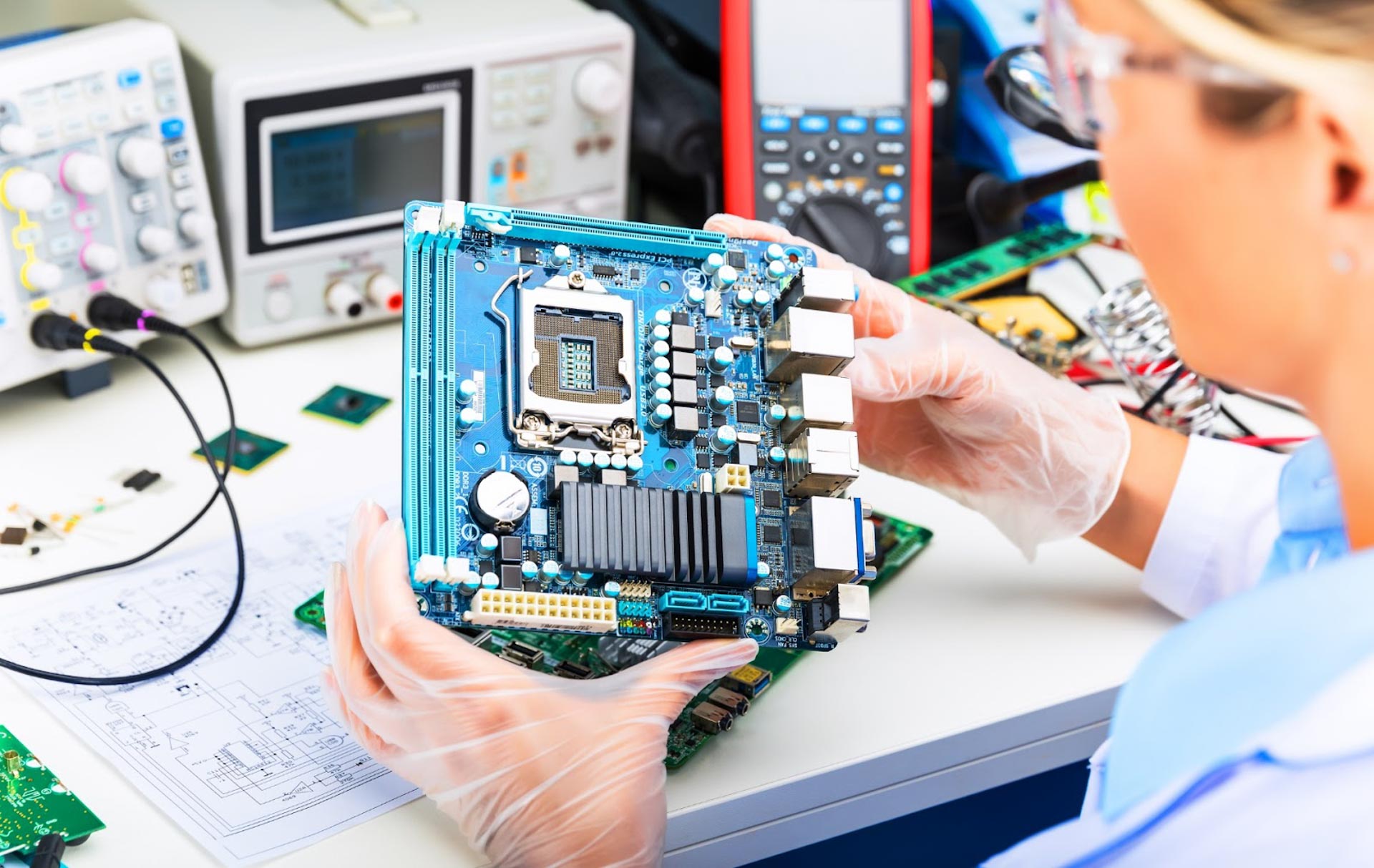
The electronics industry is rapidly shifting toward a sustainable development model, driving increasing demand for eco factories in Vietnam.
In this context, the eco factory model is becoming a strategic direction, enabling businesses to meet environmental standards and international market requirements.
Through the following content, KTG Industrial introduces the roadmap, standards, and site selection criteria to help investors implement projects effectively and keep pace with global sustainability trends.
Why Vietnam is becoming a hub for the green electronics supply chain
Policy and regulatory framework
Vietnam is progressively improving its policy framework to support green manufacturing, creating an attractive environment for the electronics industry.
The DPPA mechanism allows businesses to directly purchase renewable energy, making it easier to achieve environmental certifications and reduce emissions [1].
In addition, high-tech projects associated with sustainability benefit from corporate income tax incentives, helping optimize investment costs.
Under the China + 1 strategy, many corporations are shifting production to Vietnam [2].
At the same time, EU and US markets are tightening environmental standards, requiring businesses to locate factories in countries with sustainable development orientations to maintain export competitiveness.
Competitive energy costs, along with strong potential for wind and solar power, also help businesses stabilize long-term costs and enhance their ability to participate in the green electronics supply chain.
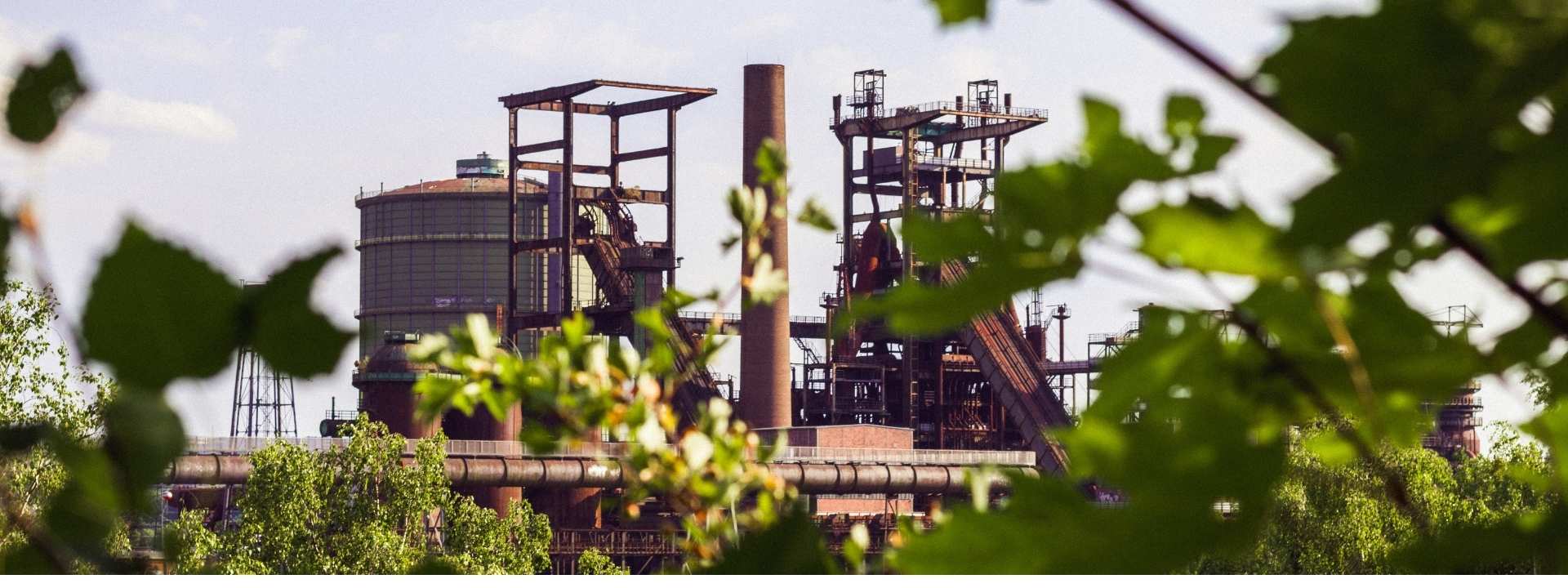
Vietnam is gradually emerging as a hub for the green electronics supply chain
Standards & certifications required for an “eco factory” in electronics
Building certifications
For electronics manufacturers leasing factory space, selecting projects with green certifications is a critical factor to meet ESG requirements and global supply chain standards.
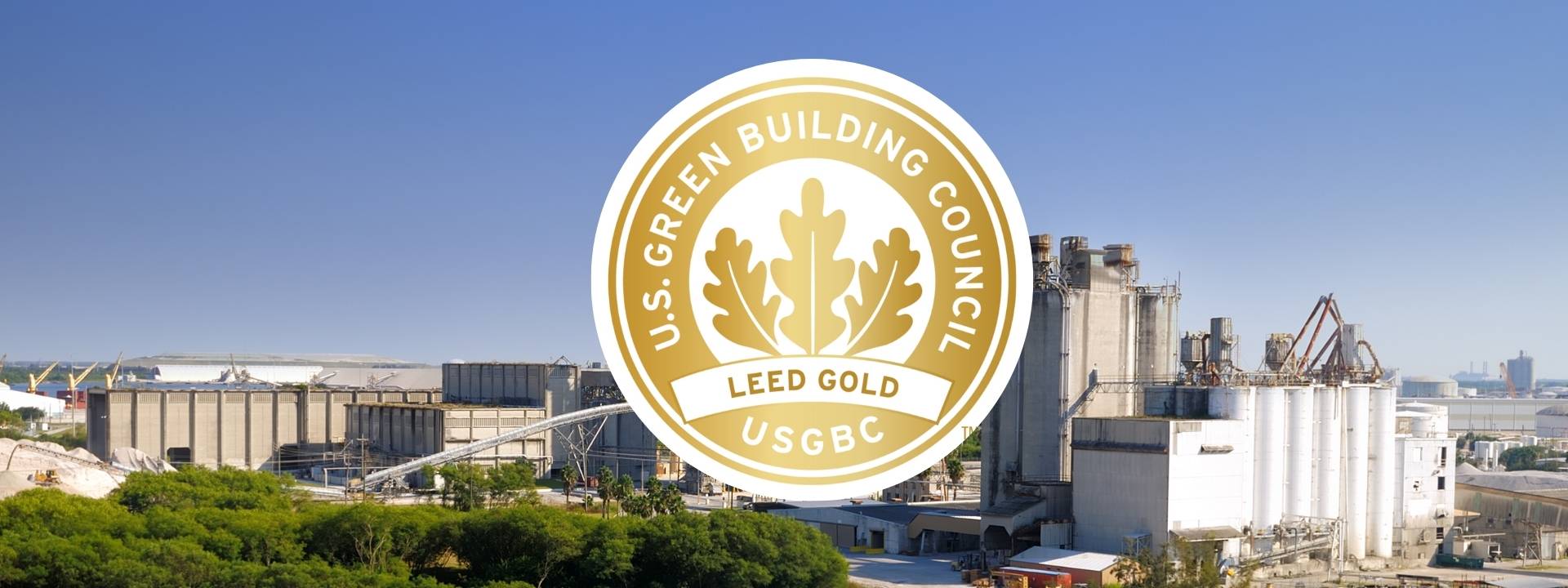
International building certifications such as LEED v4.1 or v5 are commonly adopted by industrial park developers and providers of ready-built factories. Facilities achieving Gold or Platinum levels can help tenants demonstrate energy efficiency, emissions reduction, and enhanced credibility with international partners.
In addition, LOTUS, Vietnam’s green building certification system, is well suited to tropical climate conditions. It helps optimize actual operating costs while supporting compliance with environmental requirements from EU and US clients.
Operational standards
In manufacturing, compliance with international standards is essential:
- ISO 14001 establishes a structured environmental management system.
- ISO 14064 supports greenhouse gas inventory and emissions control.
- ISO 50001 is particularly important for electronics and semiconductor manufacturing, as it enables effective energy management and savings.
- RBA helps businesses meet requirements related to environment, ethics, and transparency, making it easier to participate in global electronics supply chains.
5 Core technical solutions in eco electronics factories
1. Smart HVAC systems
This solution optimizes cleanroom cooling, significantly reducing energy consumption, which typically accounts for 30–60% of total electricity usage in electronics factories [3].
At the same time, the system can automatically adjust based on real-time thermal loads, improving operational efficiency.
2. Rooftop solar energy and BESS storage systems
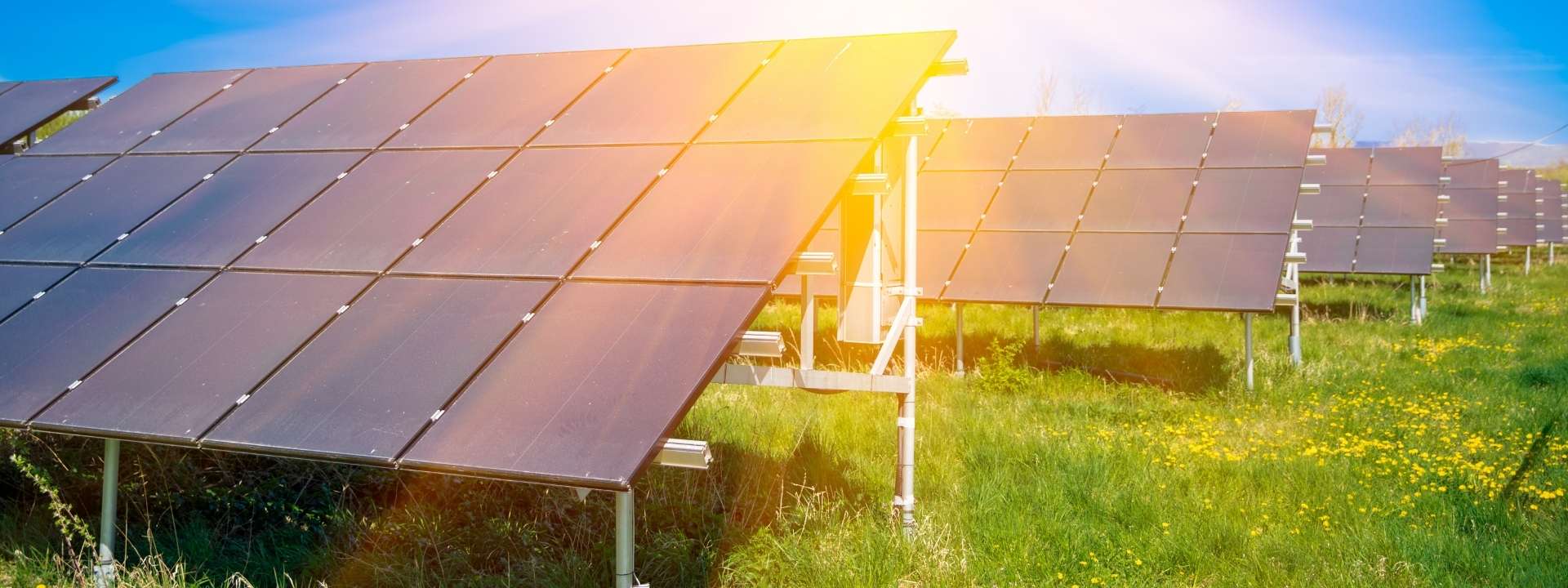
Rooftop solar utilizes factory roof space to generate clean energy, while battery storage systems ensure stable power supply 24/7.
As a result, businesses can proactively manage energy use and reduce dependence on the traditional grid.
3. Water recycling systems
Water recycling technology treats wastewater for reuse in equipment cooling or cleaning processes.
Therefore, factories can reduce freshwater consumption and optimize long-term operating costs.
Water recycling helps factories save resources and reduce costs
4. Zero waste to landfill strategy
This approach focuses on sorting, recycling, and sustainably processing electronic waste and packaging.
As a result, businesses can reduce landfill waste and comply with international environmental standards.
5. Smart lighting systems
This system combines natural lighting with sensor-based LED solutions to reduce electricity consumption.
At the same time, it improves working conditions and enhances overall energy efficiency.
List of eco-industrial parks in Vietnam
In Vietnam, the eco-industrial park model is developing clearly in both the North and the South.
In the North, DEEP C Industrial Zones and Nam Cau Kien Industrial Park are typical examples, implementing industrial symbiosis, resource reuse, and emissions reduction.
At the same time, WHA Smart Technology Industrial Zone is also planned as a smart and environmentally friendly industrial park.
Meanwhile, in the South, Hiep Phuoc Industrial Park and VSIP industrial parks focus on developing sustainable infrastructure, standardized wastewater treatment systems, and supporting businesses in implementing green factories.
Read more: List of smart green factories in Vietnam
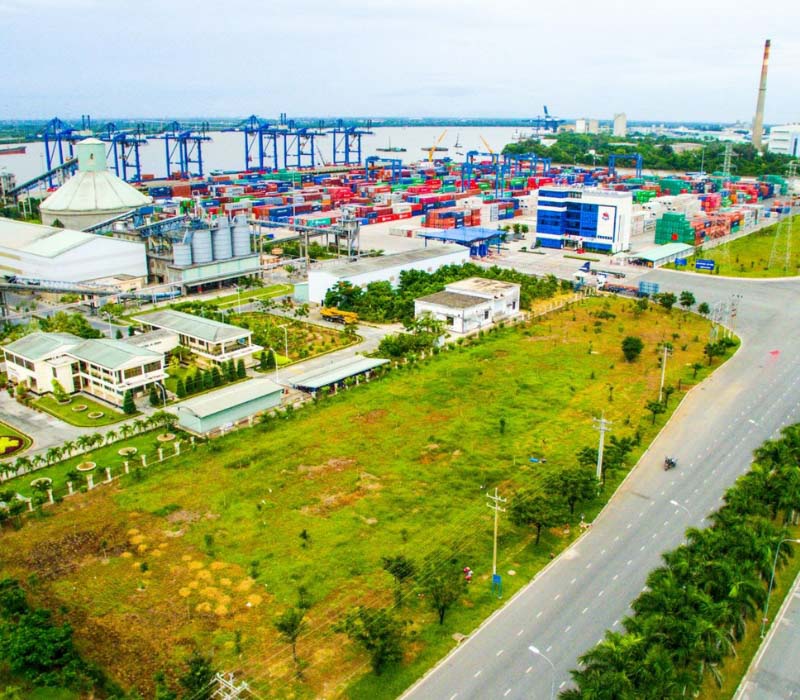
Hiep Phuoc Industrial Park supports the development of sustainable green factories
Challenges & solutions for new businesses
New businesses developing eco factories often face higher initial capital expenditure (CAPEX), typically about 15% higher than traditional models [4], due to the integration of energy-saving systems, water treatment, and environmental monitoring technologies.
At the same time, the availability of skilled labor with expertise in green factory operations and ESG standards remains limited, making early-stage implementation more challenging.
However, businesses can leverage international green investment funds or sustainable financing from banks to reduce capital pressure.
In addition, partnering with local EHS (Environment, Health, and Safety) consultants helps establish a structured environmental management system while ensuring compliance with legal regulations and international standards from the outset.
KTG Industrial – Ready-built factory solutions
For electronics manufacturers aiming for eco factory models, ready-to-use infrastructure is a key factor.
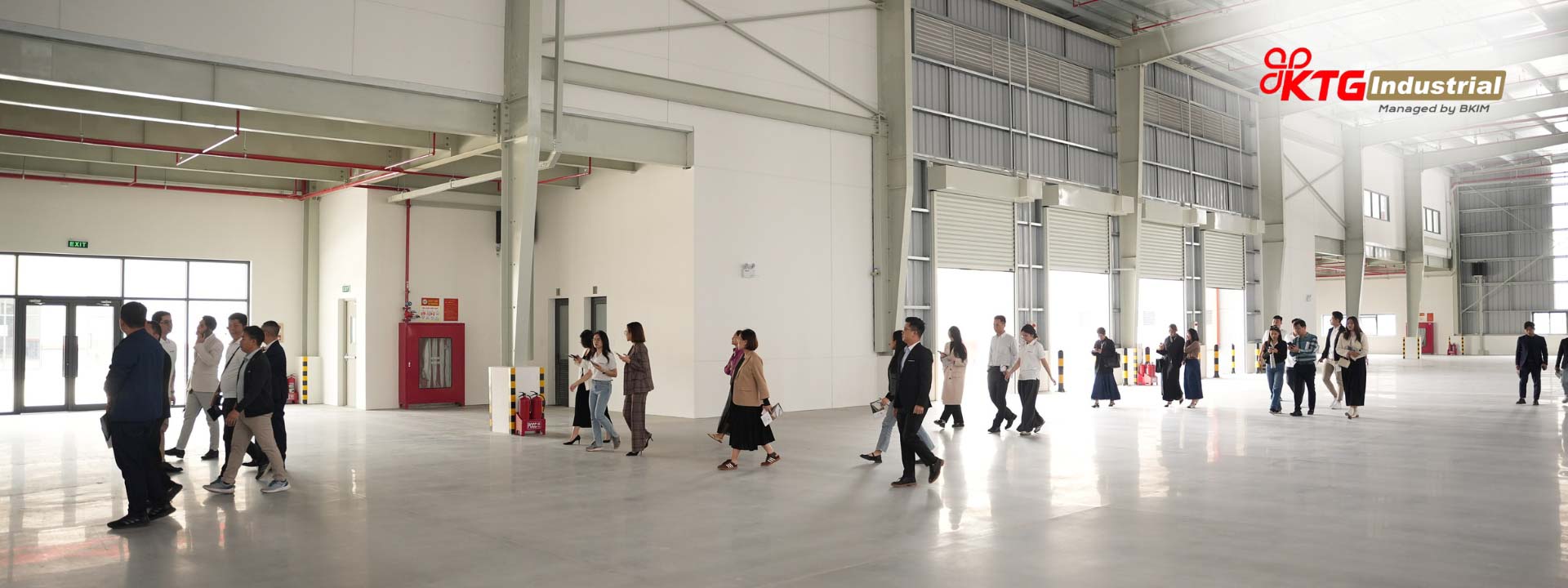
KTG Industrial provides ready-built factories designed for high-tech production, including high load-bearing floors, stable power supply, and environmentally compliant water treatment systems.
Projects are developed with a focus on energy efficiency and support for integrating green solutions, enabling businesses to shorten setup time and more easily meet eco factory standards in the electronics industry.
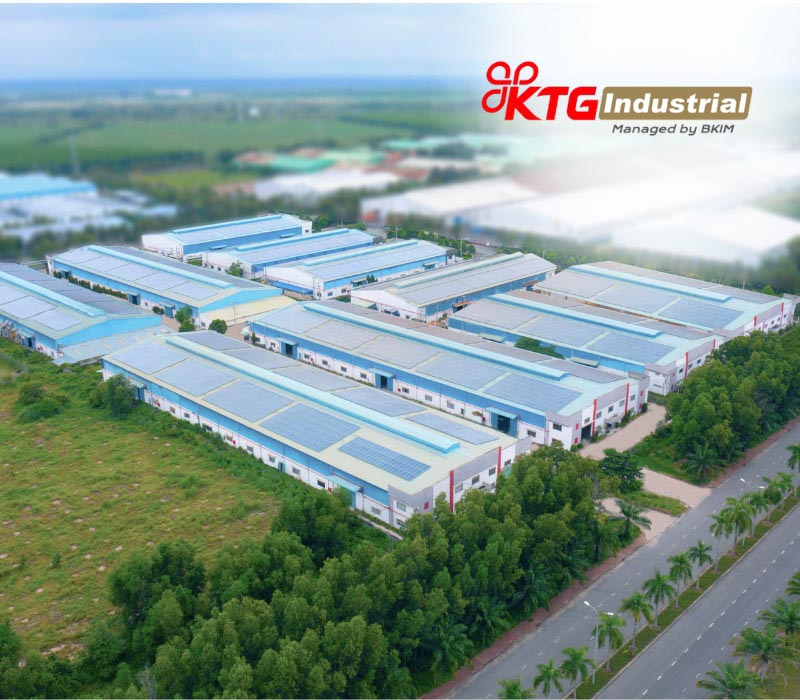
KTG Industrial provides ready-built factory solutions for eco factories
Conclusion
As global supply chains increasingly tighten environmental standards, eco factories are no longer optional but have become a long-term strategic direction for the electronics industry.
Overall, businesses that adopt early transformation gain advantages in energy costs, compliance with international certifications, and opportunities to expand export markets.
References
[1] International Trade Administration (2024). Vietnam Energy Direct Power Purchase Agreements.
https://www.trade.gov/market-intelligence/vietnam-energy-direct-power-purchase-agreements
[2] The Asset (2024). Vietnam allows direct power purchase deals for renewables.
https://www.theasset.com/article/51857/vietnam-allows-direct-power-purchase-deals-for-renewables
[3] Jiawen Yin, Xiaohua Liu, Bowen Guan, Zhiyao Ma, Tao Zhang, Performance analysis and energy saving potential of air conditioning system in semiconductor cleanrooms, Journal of Building Engineering, Volume 37, 2021, 102158, ISSN 2352-7102, https://doi.org/10.1016/j.jobe.2021.102158.
[4] Chengdong Housing (2025). The Green Building Paradox: Why Sustainable Modular Construction Costs More Upfront Than Traditional Building.
https://www.cdph.net/blog/the-green-building-paradox