

Rising electricity prices are placing significant pressure on operating costs, while ESG requirements and Decree 135/2024/ND-CP on self generation and self consumption are forcing enterprises to rethink how energy is used.
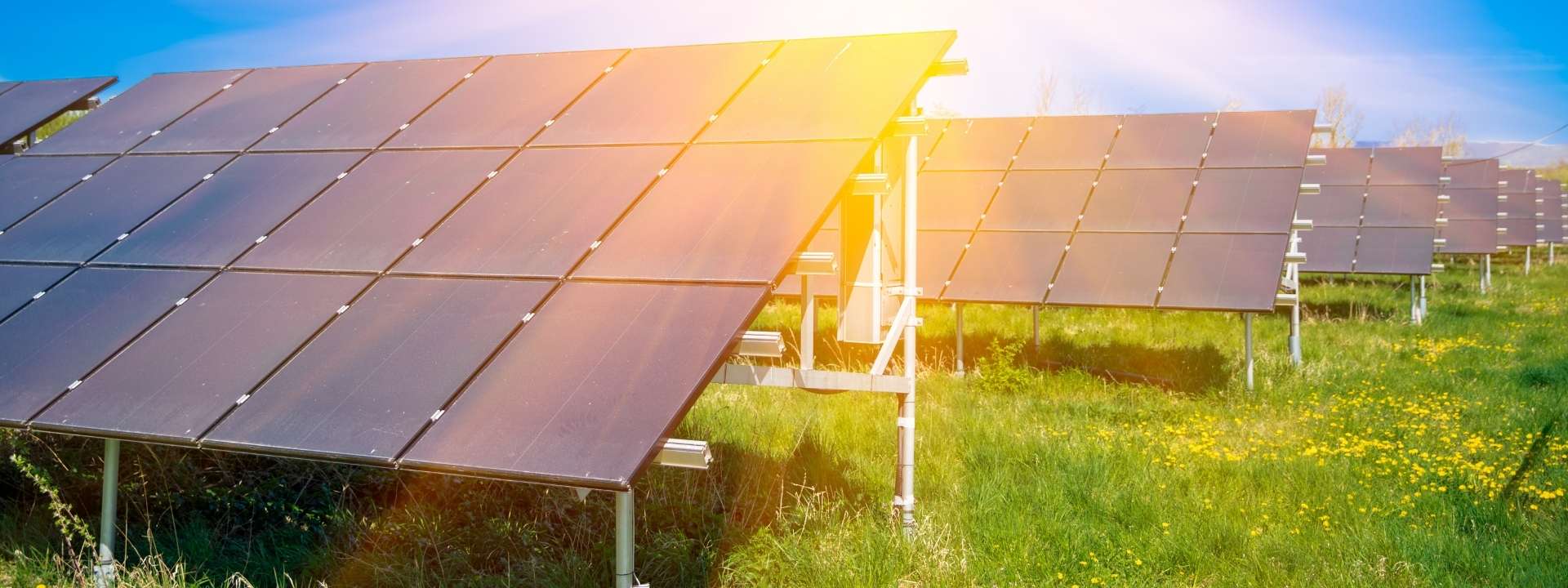
As a result, solar power adoption is increasing. However, installation alone is no longer sufficient when excess daytime electricity is wasted and grid power must still be purchased at high prices at night.
Against this backdrop, KTG Industrial works with enterprises to explore integrated BESS energy storage solutions, aiming to fully unlock the performance potential of solar power systems.
Why do enterprises need to optimize BESS systems?
Optimizing electricity costs
With battery energy storage systems (BESS), enterprises can manage electricity consumption more flexibly across different time periods.
Electricity can be stored during low price hours and used during peak periods, helping reduce up to 65% of electricity costs during high price timeframes.
In addition, BESS helps limit peak power demand, supporting enterprises in avoiding penalties associated with exceeding registered capacity levels with power utilities.

BESS enables load shifting, peak shaving, and electricity cost reduction for enterprises
Ensuring energy security
BESS functions as a stable backup power source, capable of supplying electricity continuously for 4 to 12 hours in the event of grid disruptions.
This solution enables enterprises to maintain production operations without relying on diesel generators, which typically generate significant noise and cause environmental pollution.
Enhancing ESG driven competitiveness
Optimizing BESS systems not only improves operational efficiency but also supports stronger performance against sustainability criteria.
By utilizing clean energy more effectively, BESS establishes a foundation for enterprises to access green certifications such as IREC, thereby increasing opportunities to enter high requirement markets such as the EU and the United States.
Key challenges and barriers to consider
Regulatory framework
At present, the deployment of battery energy storage systems remains subject to regulations related to grid interconnection codes and the two part electricity pricing mechanism, while this legal framework is still under development.
Therefore, enterprises should work closely with experienced consultants to coordinate with Vietnam Electricity Group (EVN) and relevant authorities to ensure regulatory compliance and minimize potential legal risks.

BESS deployment requires knowledgeable advisory support to ensure legal compliance and safe operations
Infrastructure requirements
Beyond legal considerations, infrastructure conditions also present significant barriers for enterprises.
BESS deployment requires adequate land availability for installation, and systems must comply with specific fire prevention and firefighting requirements for lithium or LFP batteries to ensure safety throughout the entire operating lifecycle.
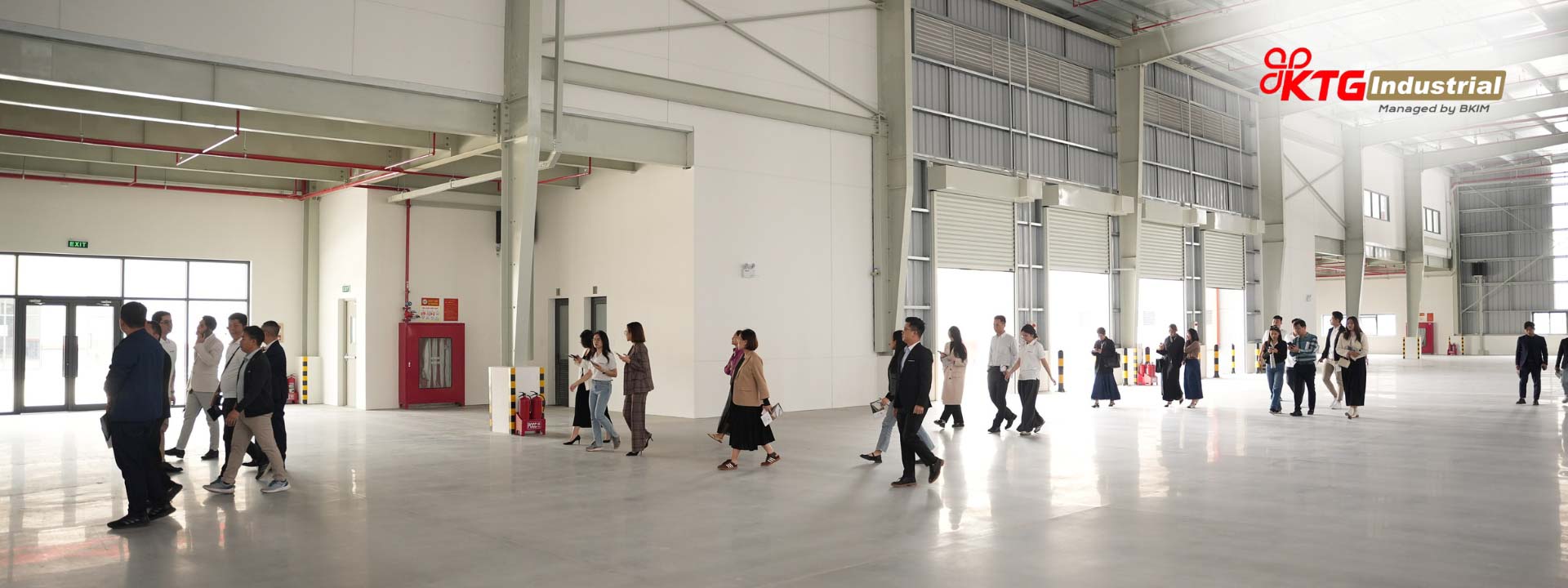
KTG Industrial – Industrial facilities integrated with rooftop solar power
In line with the Green Factory orientation, KTG Industrial has incorporated rooftop solar power solutions from the infrastructure planning stage.
Through this integrated approach, ready-built warehouses and factories are optimized for clean energy utilization while maintaining long term operational efficiency.
At the same time, projects achieving LEED certification demonstrate KTG Industrial’s clear commitment to ESG, supporting enterprises in meeting green standards and sustainable development goals across global supply chains.

KTG Industrial develops factories integrated with rooftop solar power
Conclusion
Overall, BESS enables enterprises to maximize the use of solar power, reduce energy costs, and enhance operational autonomy.
Amid volatile electricity prices and increasingly defined ESG requirements, integrating BESS with appropriate infrastructure represents a necessary step toward long term efficiency and sustainable development.