

In recent years, low emission factory Vietnam has become a growing trend as carbon-neutral factories in Vietnam have gained attention as businesses look to reduce emissions and improve energy efficiency in line with global standards.
Following Vietnam’s announcement of its goal to achieve net-zero emissions by 2050, this trend has accelerated, creating a solid foundation for the rapid expansion of green manufacturing models.
In the content below, KTG Industrial introduces three carbon-neutral factories in Vietnam (2026).
Top 3 carbon-neutral factories in Vietnam
TH Milk Joint Stock Company (TH True Milk Factory)
TH True Milk is one of the Vietnamese dairy companies that has shifted toward a green manufacturing model.
With large-scale operations and a modern farm-to-factory chain, TH not only focuses on product quality but also shapes its long-term sustainability strategy by reducing greenhouse gas emissions starting from its core activities.

TH Milk Joint Stock Company is a long-established and reputable company in Vietnam
The TH True Milk factory replaced oil-fired boilers with biomass boilers, helping reduce more than 7,000 tons of CO2 each year.
This is considered one of the most significant energy transitions in Vietnam’s food and beverage sector.
At the same time, the company installed LED lighting systems, optimized energy use, and implemented various efficiency initiatives [1].
In parallel, TH maintains environmental protection activities such as tree planting, reducing plastic waste, and optimizing packaging to lower emissions across the full product life cycle.
According to public disclosures, TH has achieved 26,670.14 tons of CO2 neutralized, reinforcing its strong commitment to moving the dairy industry closer to the net-zero emissions goal.
Looking ahead, the company plans to expand renewable energy use, invest in emission reduction technologies, and further improve operational efficiency to support long-term sustainable development [2].
Nui Tien Clean Water Joint Stock Company (Nui Tien Factory)
The Nui Tien purified water, herbal, and fruit beverage factory, known as the Nui Tien Factory, belongs to TH Group and is considered one of the fastest-growing bottled water brands in Vietnam.
In addition to maintaining output water quality, the factory is recognized as a pioneer in reducing the impact from packaging and energy consumption, which are two major emission sources in the beverage industry.
The company has implemented multiple plastic reduction measures, including removing unnecessary wrapping, optimizing bottle weight, and adjusting packaging design. These efforts help save around 600 tons of plastic each year.
At the same time, the expansion of rooftop solar power systems has enabled the factory to reduce nearly 1,000 tons of CO2 annually, moving closer to an operating model based on clean energy.
According to current disclosures, Nui Tien has neutralized 11,631.68 tons of CO2, making it one of the few bottled water factories in Vietnam that is transparent about the scale of its emission reduction results [3].
These actions contribute to national sustainability goals, especially in areas related to clean energy, responsible consumption, and greenhouse gas reduction.
In 2026, Nui Tien aims to convert all boilers from DO oil to biomass fuels such as wood chips, rice husks, and sawdust [4]. This is an important step to lower emissions and accelerate the transition toward more sustainable energy sources.

Nui Tien demonstrates that the beverage industry can operate with lower carbon impact while maintaining business efficiency
LEGO Manufacturing Vietnam Factory (Binh Duong)
The LEGO factory in Binh Duong province, Vietnam, is LEGO’s first carbon-neutral factory worldwide.
Its large investment scale and strict compliance with international standards reflect LEGO’s long-term commitment to building a sustainable supply chain in Asia.
The company aims to operate entirely on renewable energy by 2026. A key highlight of this plan is the installation of 12,400 rooftop solar panels, combined with an energy center that applies battery storage solutions.
This model has not previously been implemented in Vietnam and allows clean power to be supplied continuously.
This is also the first large-scale clean energy model serving domestic industrial production, estimated to reduce around 15,000 tons of CO2 per year and contribute clearly to the national net-zero emissions target.
In addition, all buildings within the complex have achieved LEED Platinum certification, and LEGO has transitioned to paper-based packaging instead of plastic, reducing the use of hard-to-decompose materials in production.
These initiatives confirm LEGO’s commitment to carbon neutrality while aligning with Vietnam’s sustainable development goals and COP26 direction [5].
In the next phase, LEGO plans to further expand renewable energy projects and implement additional emission reduction programs, moving toward becoming a benchmark green factory in the region.

The clean energy system enables LEGO to significantly reduce annual emissions
KTG Industrial: ESG and Sustainability Journey
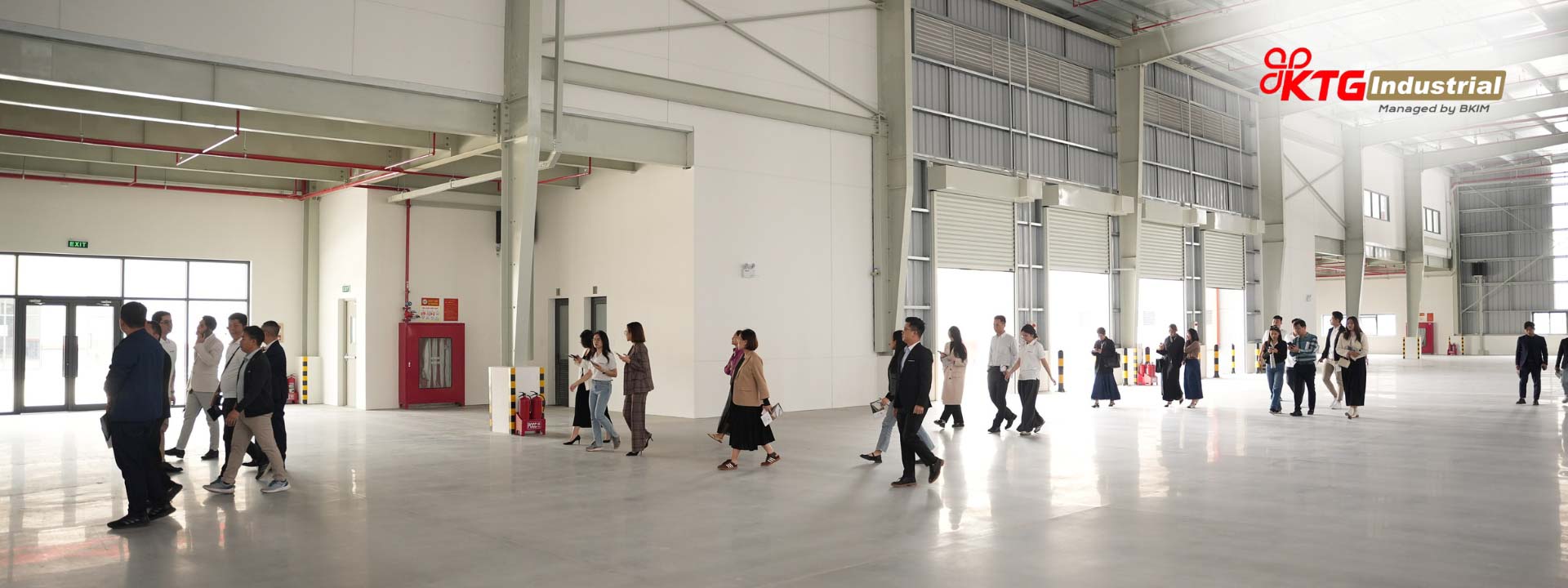
KTG Industrial pursues ESG as a core strategic direction and applies it across the entire project development and operations process.
As global businesses place greater priority on green supply chains, KTG Industrial focuses on expanding renewable energy use, reducing electricity consumption, and optimizing factory performance to help tenants lower emissions in their daily production activities.
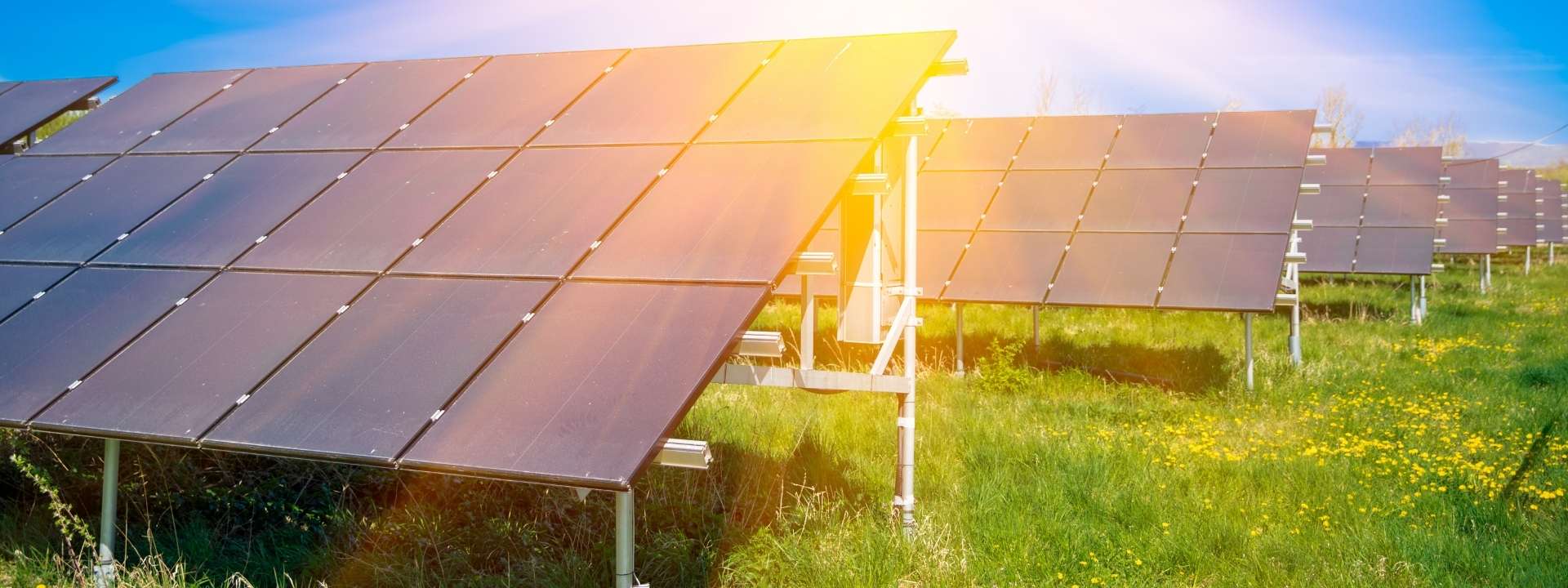
Rooftop solar power is a key feature of this model. These systems are installed on ready-built factories, providing a stable source of clean energy while also reducing pressure on the power grid during peak hours.

Rooftop solar systems deliver stable clean energy for KTG Industrial
As a result, factory tenants can achieve meaningful energy cost savings while reducing thousands of tons of CO2 each year.
Beyond renewable energy, KTG Industrial applies integrated energy management solutions, including energy-efficient equipment, LED lighting, and enhanced natural ventilation to reduce overall system consumption.
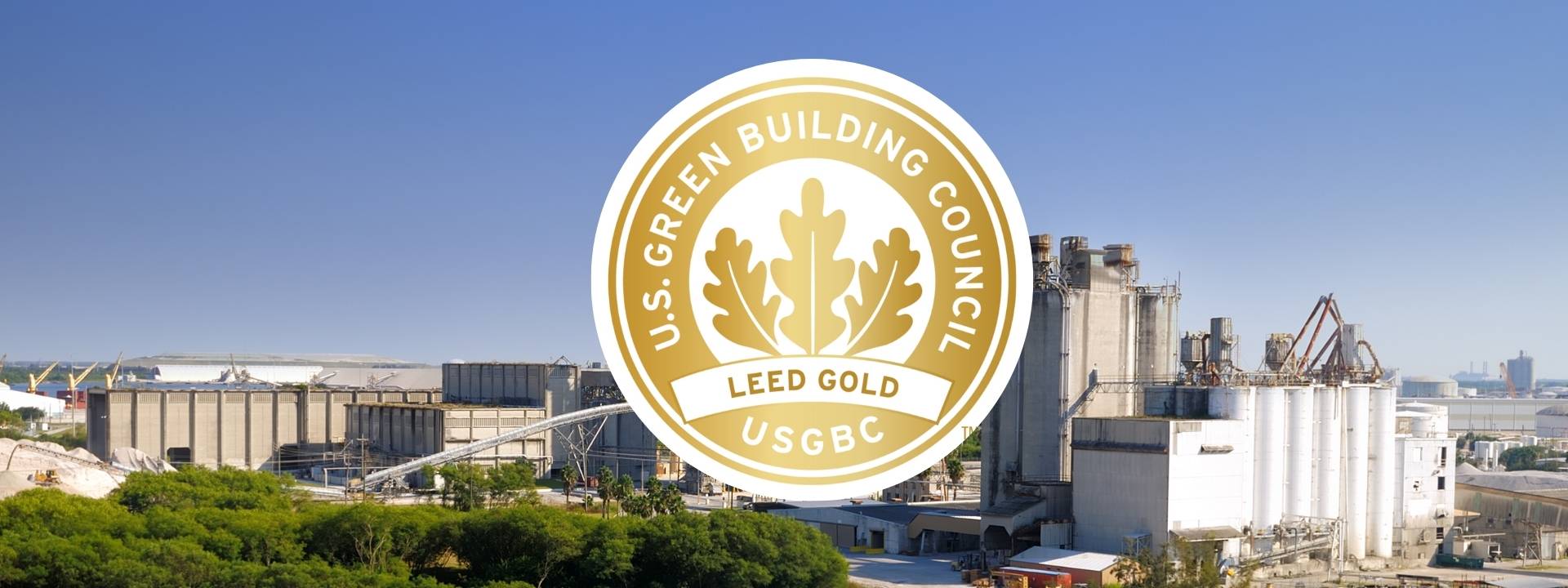
All of these efforts support a development model aligned with international sustainability standards such as LEED Gold and ISO 50001, creating green production environments that balance cost efficiency with long-term carbon neutrality goals for businesses.
Conclusion
Factories leading in carbon neutrality are shaping a credible green development path for manufacturing in Vietnam.
By leveraging modern technology and energy efficiency measures, businesses can move closer to net-zero emissions targets.
These achievements also encourage other industries to proactively adopt sustainable solutions, contributing to a more efficient and environmentally responsible industrial sector.
References
[1] Phan Hau (2025). Tiet lo “chia khoa” 2 cong ty chu luc cua TH dat chung nhan trung hoa carbon. Bao Thanh nien.
https://thanhnien.vn/tiet-lo-chia-khoa-2-cong-ty-chu-luc-cua-th-dat-chung-nhan-trung-hoa-carbon-185250405145423033.htm
[2] Tien Thinh (2025). 2 cong ty cua TH dat trung hoa carbon: Tiet lo dac biet tu Control Union Viet Nam. Bao Dan tri.
https://dantri.com.vn/kinh-doanh/2-cong-ty-cua-th-dat-trung-hoa-carbon-tiet-lo-dac-biet-tu-control-union-viet-nam-20260417110817623.htm
[3] Minh An (2025). Tap doan TH dong hanh cung du an giup giam thai 400.000 tan CO2. Bao Cong an Thanh pho Ho Chi Minh.
https://congan.com.vn/thi-truong/thuong-hieu-viet/tap-doan-th-dong-hanh-cung-du-an-giup-giam-thai-400000-tan-co2_175369.html
[4] Phu Huong (2025). Sua TH va Nuoc tinh khiet Nui Tien don chung nhan dat trung hoa carbon. Bao va Phat thanh, Truyen hinh Nghe An.
https://baonghean.vn/sua-th-va-nuoc-tinh-khiet-nui-tien-don-chung-nhan-dat-trung-hoa-carbon-10294478.html
[5] Giang Thanh (2026). Khanh thanh nha may su dung nang luong tai tao cua LEGO tai Binh Duong. Bao Dien tu Chinh phu.
https://baochinhphu.vn/khanh-thanh-nha-may-su-dung-100-nang-luong-tai-tao-cua-lego-tai-binh-duong-102250409172931228.htm