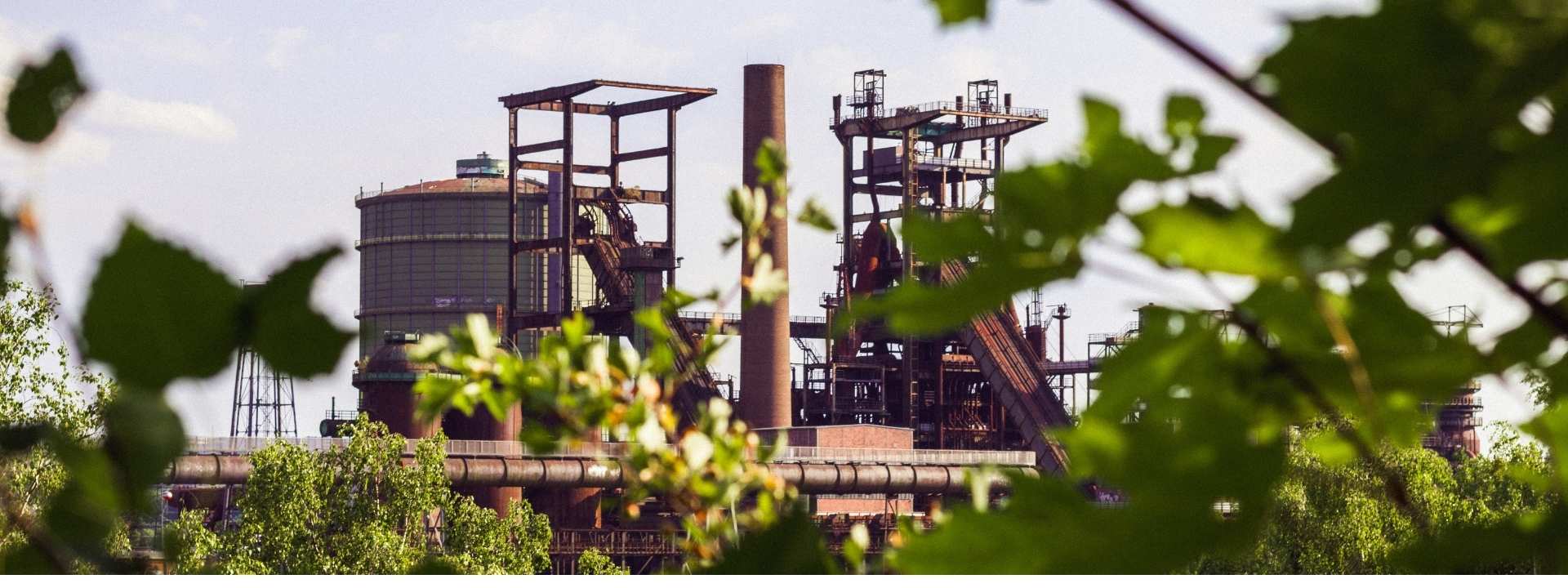


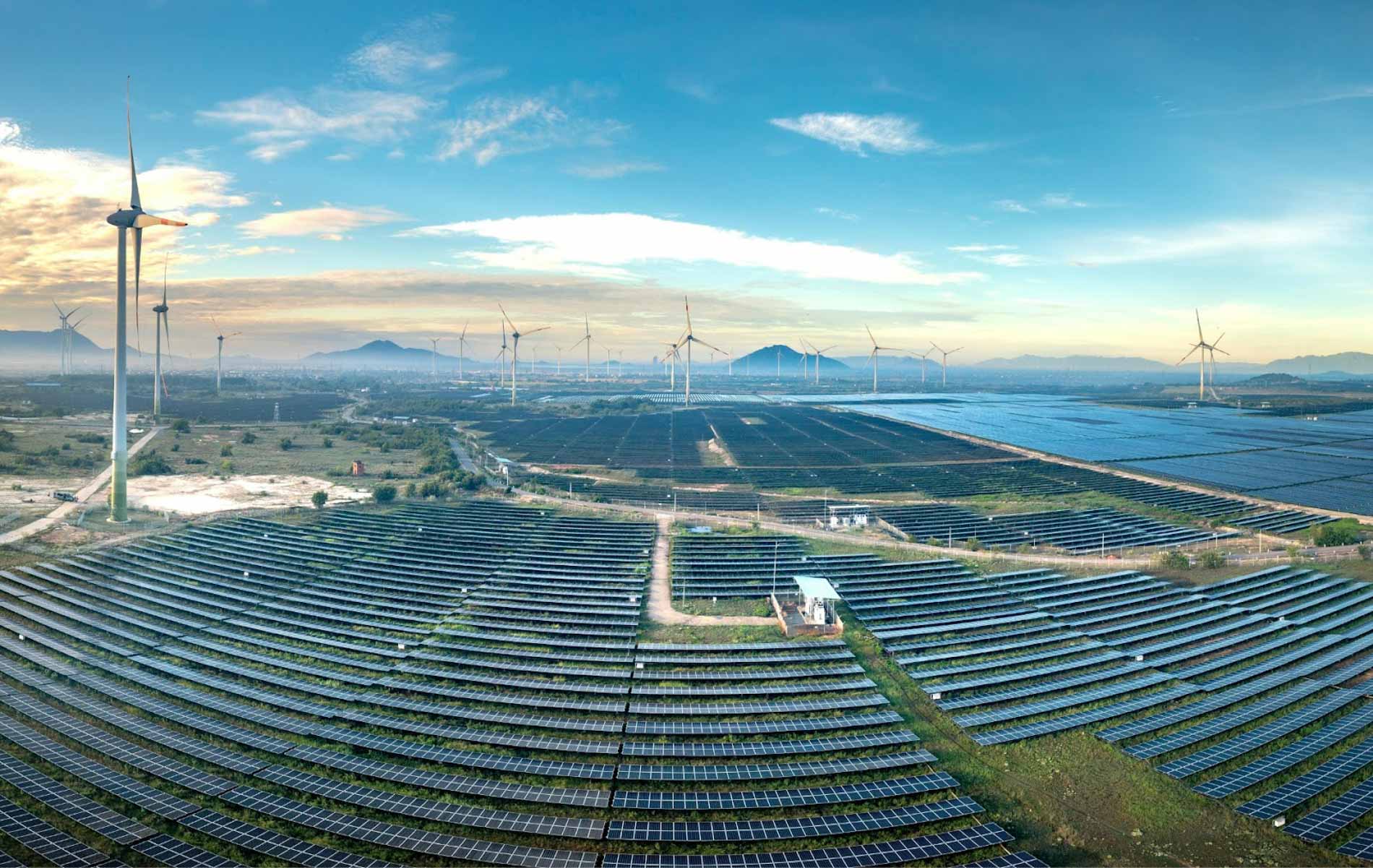
Vietnam is gradually transforming from a low-cost manufacturing base into a destination for high-tech and sustainable industries.
Following the commitment to achieve net-zero emissions at COP26, 2026 marks a significant milestone as many businesses accelerate the adoption of green manufacturing models.
In this context, KTG Industrial presents key sustainable manufacturing trends in Vietnam in 2026, helping businesses shape appropriate and long-term development strategies.
Key sustainable manufacturing trends in Vietnam
The rise of LEED-certified green factories
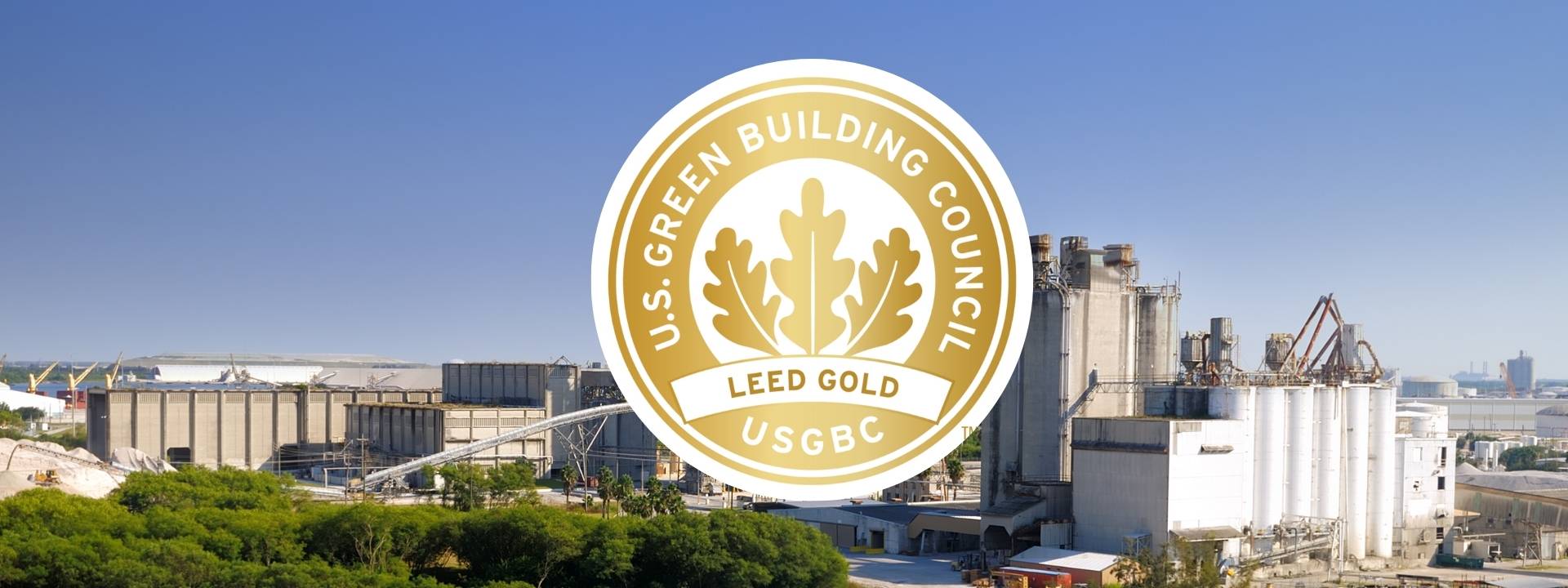
The development of green factories is rapidly increasing, with more than 50% of new projects in IPs being oriented toward green building certifications such as LEED [1].
This indicates that businesses are not only focused on cost but are also prioritizing energy efficiency, emission reduction, and sustainable working environments.
In Binh Duong, the factory of LEGO Group is considered one of the most representative projects, with large-scale investment following green standards and the use of renewable energy.
At the same time, Samsung is promoting a sustainable supply chain in Vietnam, requiring partners to meet strict environmental standards.
These efforts contribute to spreading environmentally friendly manufacturing models and creating momentum for the entire industrial sector to move toward sustainable development.
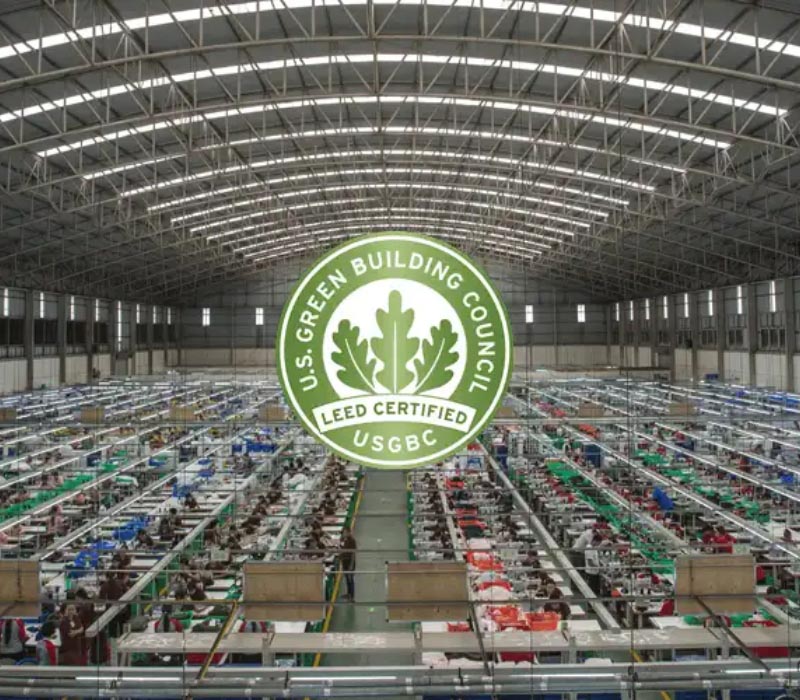
LEED-certified green factories are becoming the new standard for sustainable manufacturing
Integration of renewable energy and Power Development Plan VIII (PDP8)
Under the direction of Power Development Plan VIII, the green factory trend is closely linked to the integration of renewable energy.
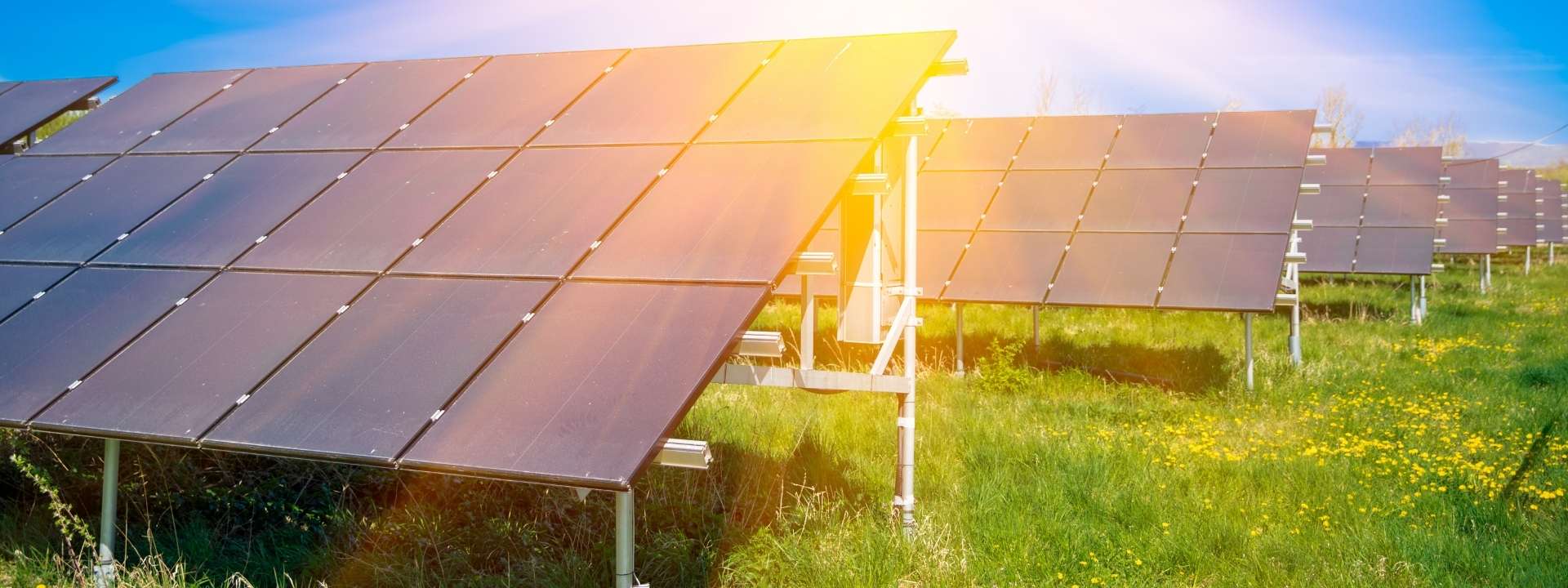
Rooftop solar power is becoming increasingly common as many businesses shift to self-generation and self-consumption models, while also showing interest in the direct power purchase agreement mechanism to proactively secure clean energy sources [2].
Vietnam also aims to improve energy efficiency through national programs, encouraging businesses to reduce energy intensity and optimize operations by 2030.
Therefore, investing in energy-saving technologies and integrating renewable energy sources is becoming a key solution for businesses to meet sustainability requirements and control long-term costs.
Circular economy model from waste to resources
The circular economy model is being implemented in many eco-industrial parks, where businesses participate in industrial symbiosis to utilize each other’s by-products. As a result, production costs and emissions are significantly reduced.
At the same time, many textile and electronics factories have invested in waste-to-energy systems and water reuse after treatment. These solutions not only conserve resources but also improve operational efficiency in a sustainable direction.
The circular economy is therefore becoming a critical strategy that delivers both economic benefits for businesses and environmental protection, while supporting long-term development.
Circular economy helps businesses turn waste into resources
Dual transformation combining green and digital transformation
In addition to emission reduction goals, many businesses are pursuing a dual transformation strategy that combines green and digital transformation in manufacturing.
Smart manufacturing models applying AI and IoT enable real-time data monitoring, helping optimize resources and reduce defect rates.
In addition, digital traceability systems are being implemented to ensure product transparency, thereby meeting global export standards and enhancing competitiveness.
Shift toward environmentally friendly and recycled materials
The textile and footwear industries are accelerating the transition toward materials with lower environmental impact to meet increasingly strict requirements from export markets.
Organic cotton, recycled fibers from plastic and textile waste, along with bio-based dyes, are becoming key alternatives to traditional materials [3].
This transition not only reduces resource consumption and emissions but also enhances transparency and traceability within the supply chain.
In the context of international brands prioritizing sustainable sourcing, businesses adopting environmentally friendly materials gain a significant advantage in expanding orders and increasing export value.
A notable example is the EU Sustainable Textile Strategy, which requires the use of recycled or organic materials and ensures supply chain transparency [4].
This is considered a key factor for maintaining stable long-term growth in the industry.
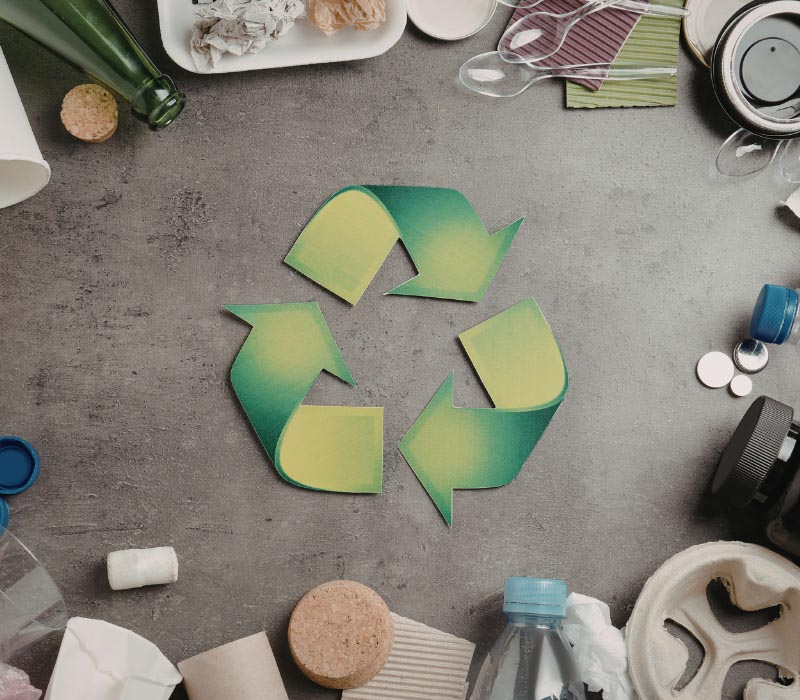
Recycled materials help the textile industry meet sustainable export standards
Challenges and opportunities for 2026 and beyond
The year 2026 presents both challenges and opportunities for the sustainable transformation of the manufacturing sector.
On one hand, businesses face high initial investment costs, a shortage of skilled green workforce, and limitations from legacy technology systems. As a result, the transition process may slow down without a clear strategy.
On the other hand, financial institutions such as HSBC and UOB are expanding green financing packages, enabling businesses to access capital more easily.
Early adopters of sustainable manufacturing will gain a significant competitive advantage, especially as supply chains in ASEAN increasingly prioritize partners that meet environmental and transparency standards [5].
KTG Industrial – Sustainable factory solutions
KTG Industrial focuses on developing ready-built factories under a sustainable model, prioritizing energy efficiency and long-term operational performance.
Projects are developed according to international standards, while integrating rooftop solar systems, energy-efficient lighting, and optimized water management solutions.
With flexible designs, businesses can conveniently scale up production when needed.
In addition, the application of ESG standards and the pursuit of green certifications such as LEED help reduce operating costs and support businesses in meeting increasingly stringent requirements from global supply chains.
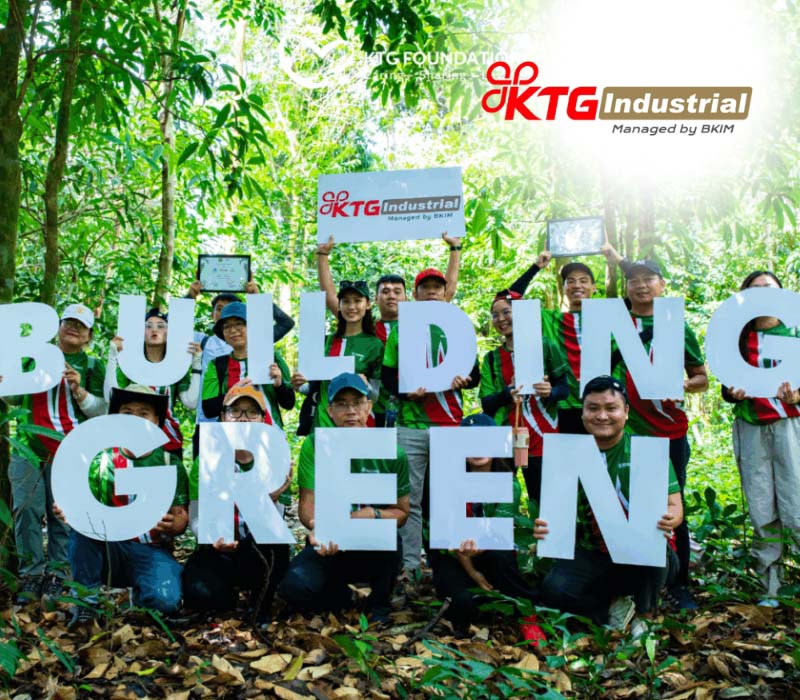
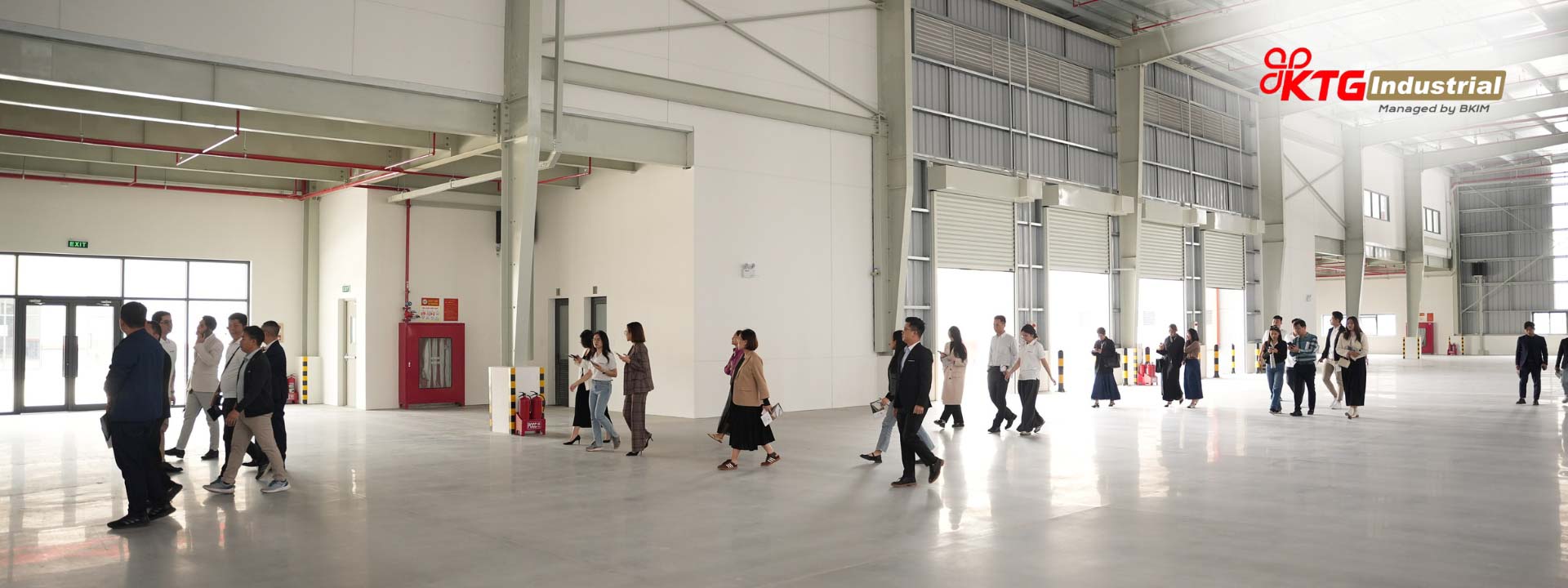
KTG Industrial develops green factories aligned with long-term ESG goals
Conclusion
Sustainable manufacturing trends in Vietnam in 2026 indicate that the transition toward green models, energy efficiency, and transparent supply chains is becoming the new standard.
Therefore, businesses need to proactively invest in technology, optimize operations, and select suitable infrastructure to maintain long-term competitive advantages.
References
[1] EINVALA (2024). Vietnam’s Manufacturing Industry: A Growing Hub for Sustainable and High-Quality Production.
https://einvala.com/vietnams-manufacturing-industry-a-growing-hub-for-sustainable-and-high-quality-production
[2] The Saigon Times (2023). National power development plan VIII approved.
https://english.thesaigontimes.vn/national-power-development-plan-viii-approved/
[3] Mukul (2024). Vietnam Textile Market Outlook to 2030. Ken Research.
https://www.kenresearch.com/industry-reports/vietnam-textile-market
[4] Viet Nam News (2025). Sustainable fashion presents promising niche market for textile manufacturers.
https://vietnamnews.vn/Economy/1691892/sustainable-fashion-presents-promising-niche-market-for-textile-manufacturers.html
[5] South China Morning Post (2025). Why sustainable finance is critical for Asean SMEs seeking long-term resilience.
https://www.scmp.com/native/business/topics/reimagining-asean-future/article/3323280/why-sustainable-finance-critical-asean-smes-seeking-long-term-resilience