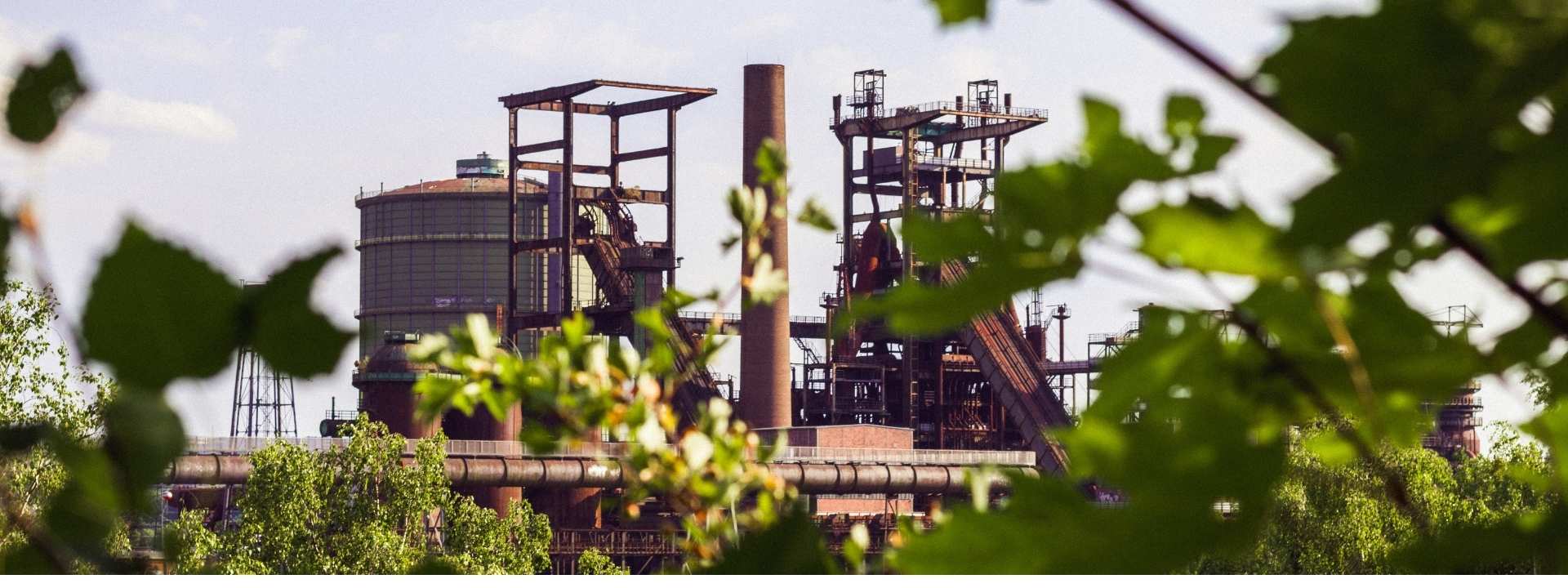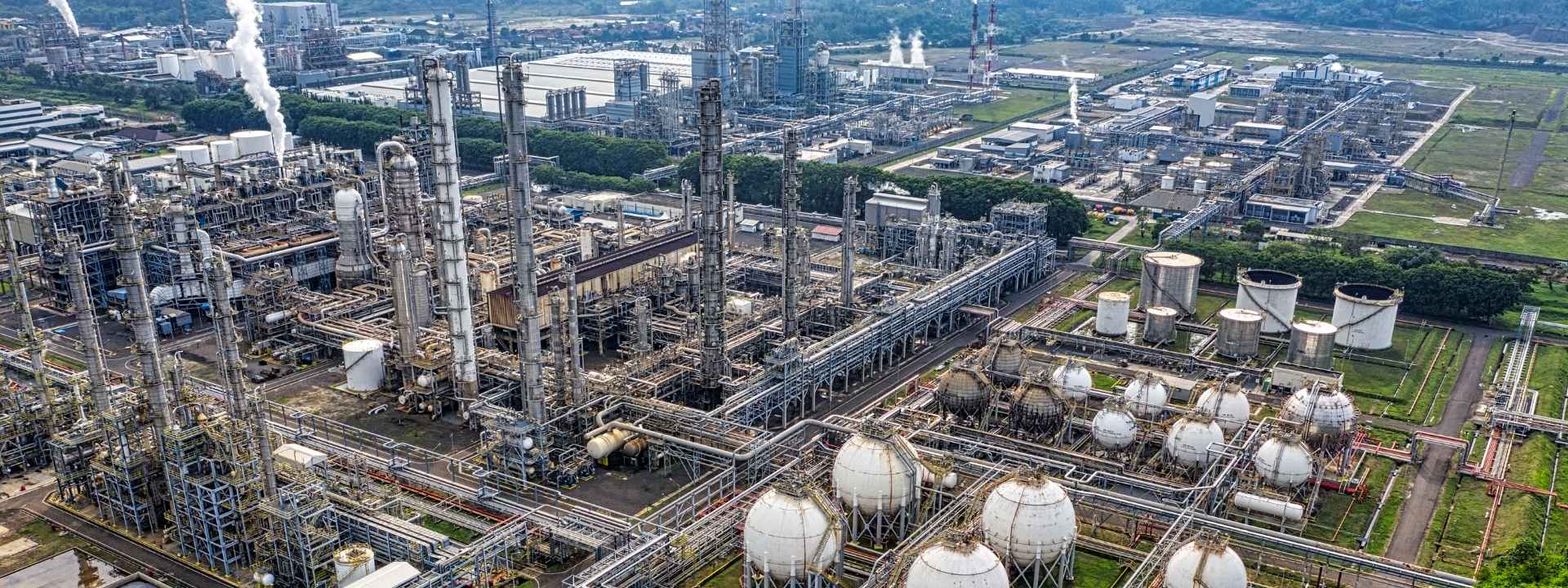


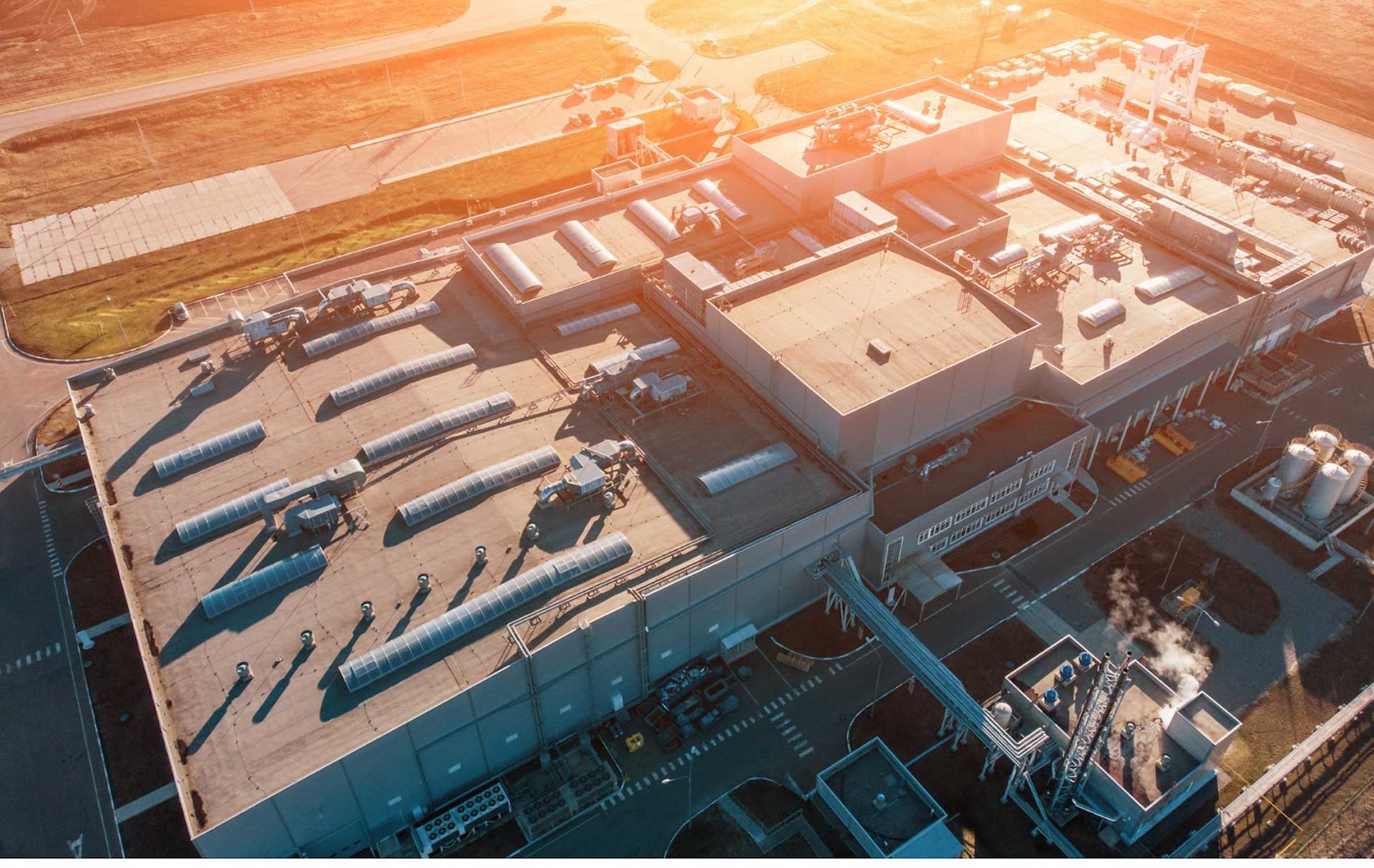
In Vietnam, factories can consume several times more electricity than commercial buildings due to continuous operations and high heat loads from machinery.
To reduce energy consumption, energy-efficient factories are designed to maximize natural lighting, improve insulation, and use energy-saving systems.
Based on this foundation, KTG Industrial introduces key solutions for energy-efficient factories in Vietnam.
Key Solutions for Energy-Efficient Factories in Vietnam
Efficient Cooling Solutions – Adaptive Smart Technology
Vietnam’s hot and humid climate places significant pressure on cooling systems, especially in factories operating continuously or requiring stable temperature control.
High heat and humidity not only increase electricity consumption but also affect equipment durability and production quality.
One emerging approach is the application of adaptive cooling technologies such as VRD-THVi, which received the Innovative Energy Efficiency Technology Solution Award 2025 from the Ministry of Industry and Trade.
This technology enables effective temperature and humidity control, making it suitable for industries such as electronics and pharmaceuticals.
By optimizing cooling performance based on real operating conditions, it delivers multiple benefits, including reduced electrical load, extended equipment lifespan, and improved working conditions for employees.
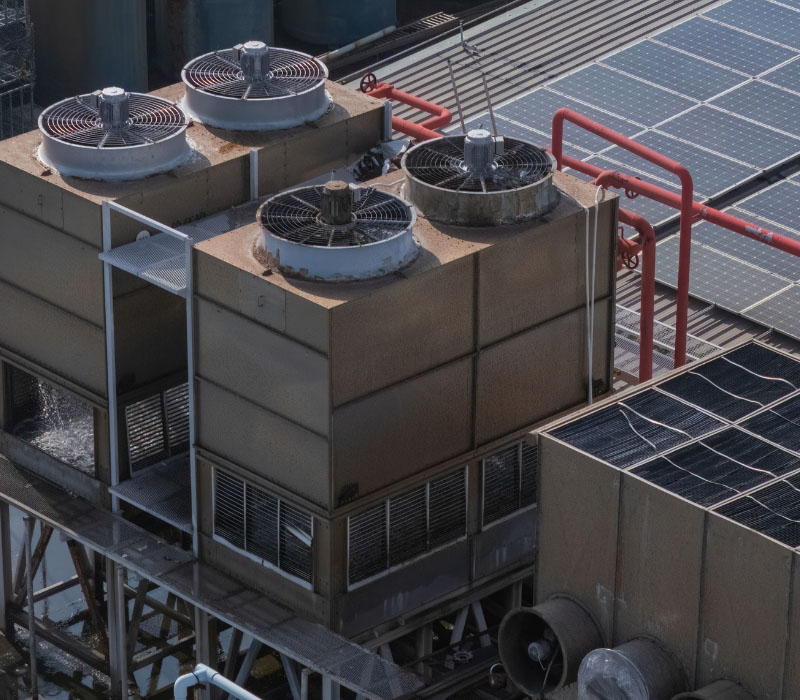
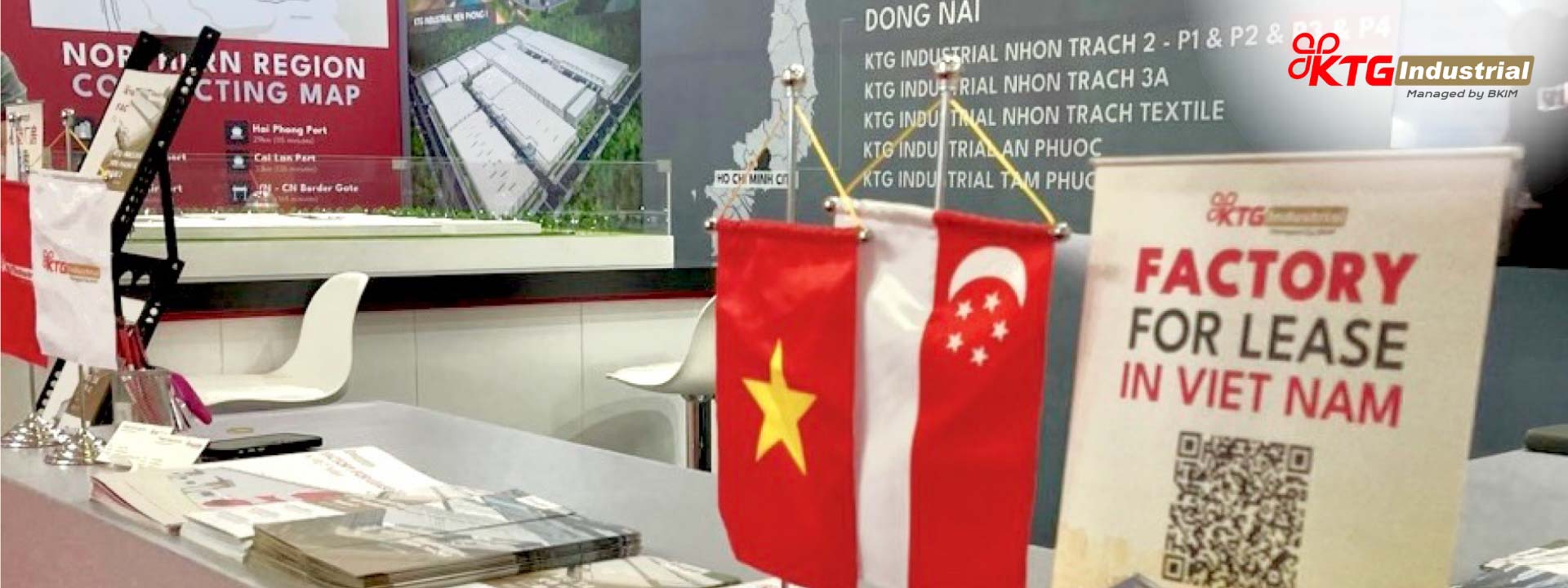
Smart cooling technology helps factories effectively reduce electricity consumption
Building Materials & Envelope Solutions
The building envelope plays a critical role in limiting heat absorption, thereby reducing cooling demand and improving energy efficiency.
When properly designed, it minimizes heat transfer into the facility, significantly reducing the load on HVAC systems and optimizing overall operational performance.
One common solution is the use of cool roof paint, which reflects solar radiation and lowers roof surface temperature.
As a result, less heat enters the factory, helping reduce the burden on cooling systems.
In addition, high-reflectivity roofing materials such as aluminum-zinc alloy coated steel sheets combined with bubble insulation layers are widely adopted in Vietnam.
For example, the KTG Industrial VSIP Bac Ninh II Phase 1 project applied this roofing structure to optimize energy efficiency from the design stage.
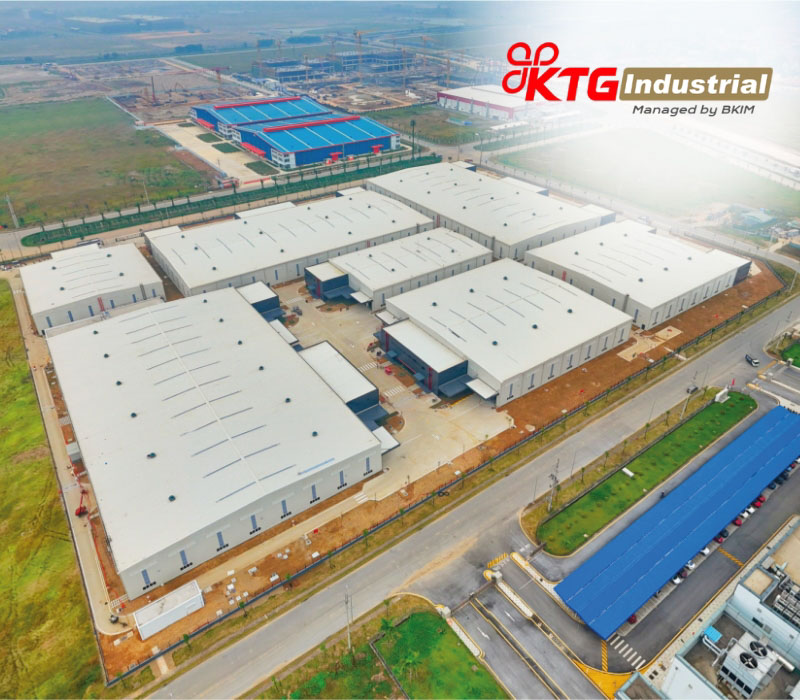
KTG Industrial VSIP Bac Ninh II project
Beyond roofing, strengthening insulation across the entire building also delivers significant impact.
In a typical case, the St. Paul Park refinery reduced approximately 16,000 tons of CO2 emissions by improving its insulation system [1].
This demonstrates that optimizing materials and building envelope design not only reduces electricity consumption but also enhances sustainable operational efficiency.
Smart Lighting & Natural Light Optimization
Lighting is one of the major sources of electricity consumption in factories, especially in continuously operating areas.
Therefore, using high-efficiency LED lighting helps reduce energy usage, extend lifespan, lower maintenance costs, and improve the working environment.
In addition, light sensors allow the system to automatically adjust based on actual conditions.
When sufficient natural light is available, lighting output is reduced or turned off, minimizing energy waste.
Furthermore, skylights, translucent roofing panels, and light wells help maximize natural daylight while supporting ventilation.
As a result, factories can reduce daytime lighting energy consumption and improve overall operational efficiency.
Rooftop Solar Power & Renewable Energy
In industrial parks, rooftop solar systems are increasingly adopted due to their ability to utilize factory roof space to generate clean energy.
This allows businesses to produce and consume electricity on-site, reducing dependence on the national grid.
Having control over on-site power supply helps businesses manage long-term energy costs, mitigate risks from electricity price fluctuations, and improve overall energy efficiency.
Beyond self-generation, this model can be integrated with energy storage systems (BESS).
Excess electricity generated during the day can be stored for use at night or during peak hours, optimizing renewable energy utilization and ensuring stable factory operations.
Read more: BESS: Optimizing solar energy costs for enterprises

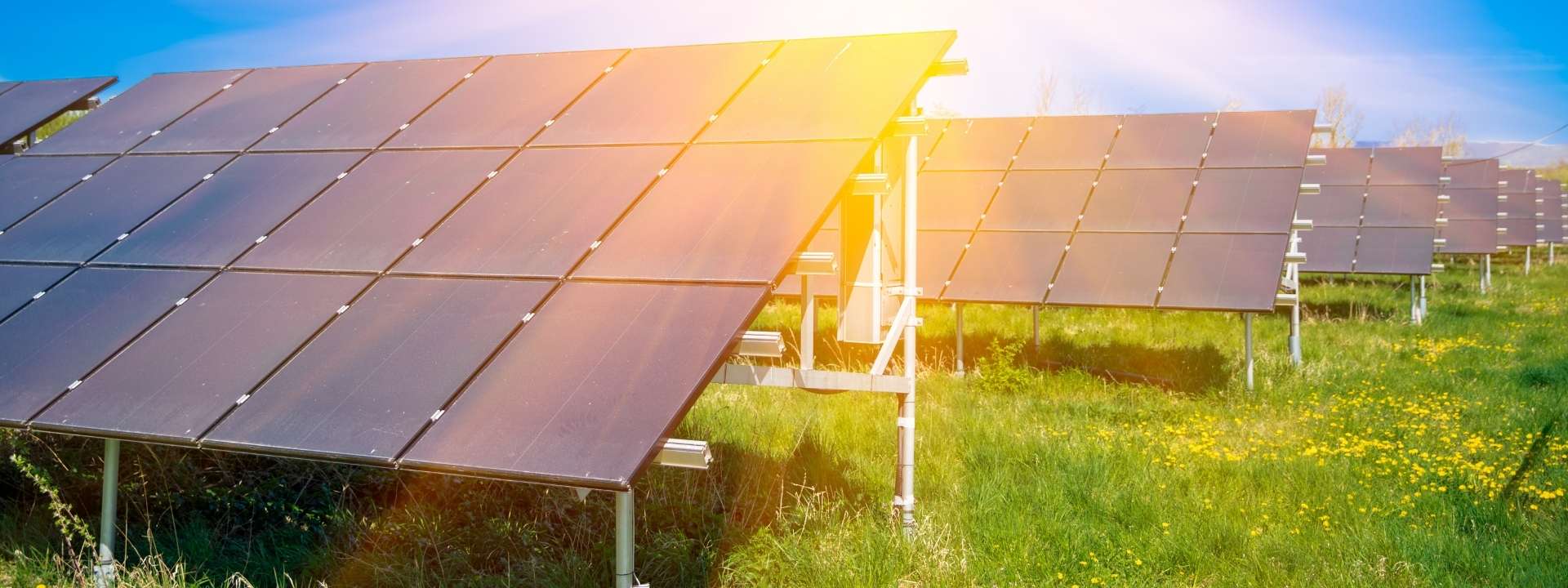
Rooftop solar power enables businesses to take control of clean energy supply
Production Process & Equipment Optimization
Improving production processes also helps reduce electricity consumption effectively.
Lean Manufacturing focuses on eliminating non-value-added activities, enabling more efficient energy use and improving operational performance.
Using high-efficiency motors meeting IE3 or IE4 standards combined with variable frequency drives (VFD) allows speed adjustment based on actual demand, reducing excess energy consumption and potentially lowering global electricity usage by around 10% [2].
In addition, waste heat recovery is an important solution. According to the U.S. Department of Energy, about 7 quads of industrial energy are lost as heat, so reusing this source helps improve efficiency and reduce operating costs [3].
Smart Energy Management (AI & IoT)
AI and IoT solutions enable factories to monitor energy consumption in real time through flow sensors and IoT-connected software, allowing accurate tracking of energy flows and identification of high-consumption areas.
For example, Colgate-Palmolive reduced approximately 15% of its energy usage through continuous compressed air monitoring.
In addition, AI can analyze data and automatically adjust equipment parameters through advanced process controls, reducing energy waste and cutting peak load consumption.
All of these are integrated into a centralized energy management platform, helping businesses control, optimize, and improve energy efficiency more effectively.

Energy-efficient factories help reduce costs and improve performance
Implementation Roadmap for Energy-Efficient Factories
- Assess current energy consumption: Businesses should conduct a comprehensive Energy Audit to identify inefficient energy usage areas, enabling more targeted and optimized solutions.
- Prioritize quick wins: Implement immediate-impact solutions such as replacing LED lighting, fixing compressed air leaks, or improving insulation. These measures reduce energy consumption with reasonable investment costs.
- Invest in long-term technology: Businesses should replace outdated equipment with higher-efficiency machinery to reduce energy usage and improve long-term operational performance.
- Build an energy-saving culture: Encouraging employees to contribute energy-saving initiatives helps sustain efficiency and foster continuous improvement.
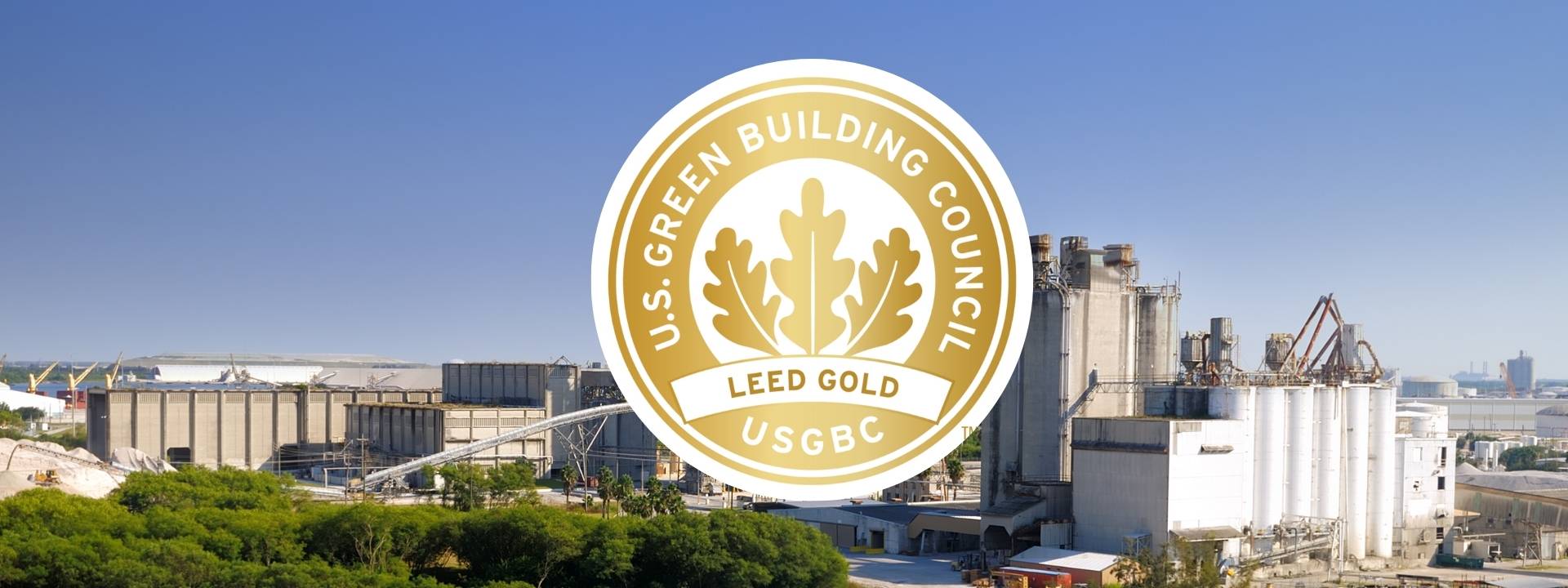
- Move toward international certifications: Applying energy-saving solutions also helps businesses gradually meet global sustainability standards and certifications.
Benefits of Energy-Efficient Factories
- Reduce operating costs by lowering electricity consumption.
- Optimize production costs and increase long-term business value.
- Reduce CO2 emissions, meet environmental standards, and support sustainable development.
- Enhance competitiveness, improve brand image, and expand opportunities in green product markets.
- Combined with process optimization and automation, it improves overall operational efficiency.
KTG Industrial – Energy-Efficient Factory Solutions
KTG Industrial is committed to developing energy-efficient factories from the design and construction stages.
Projects are optimized with high-performance insulation materials and natural lighting systems, helping reduce heat absorption and minimize cooling demand.
KTG Industrial factories are also equipped with infrastructure ready for rooftop solar systems, enabling businesses to take control of clean energy supply, reduce dependence on the grid, and stabilize operating costs.
By applying integrated solutions, KTG Industrial projects not only help businesses save energy but also meet sustainability standards, aligning with modern manufacturing trends in Vietnam.
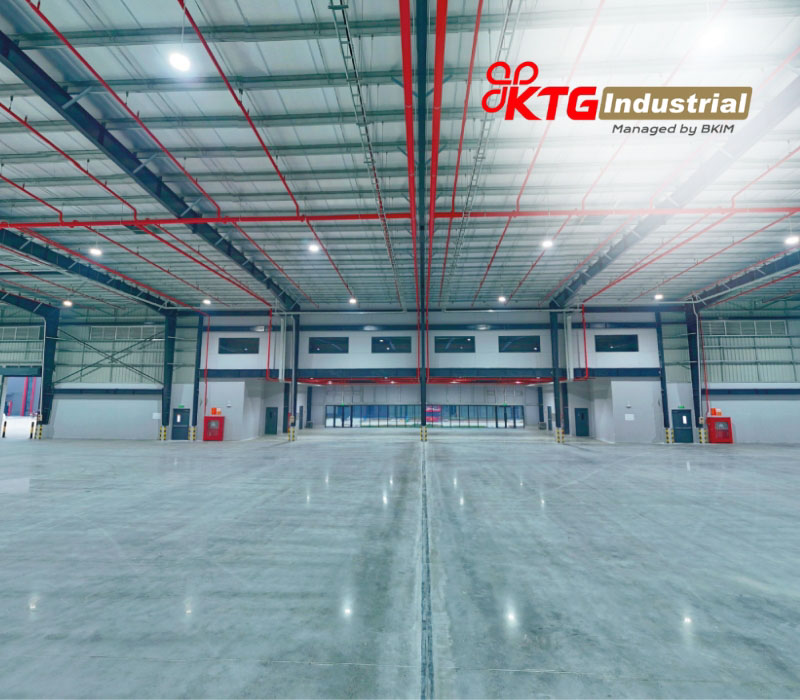
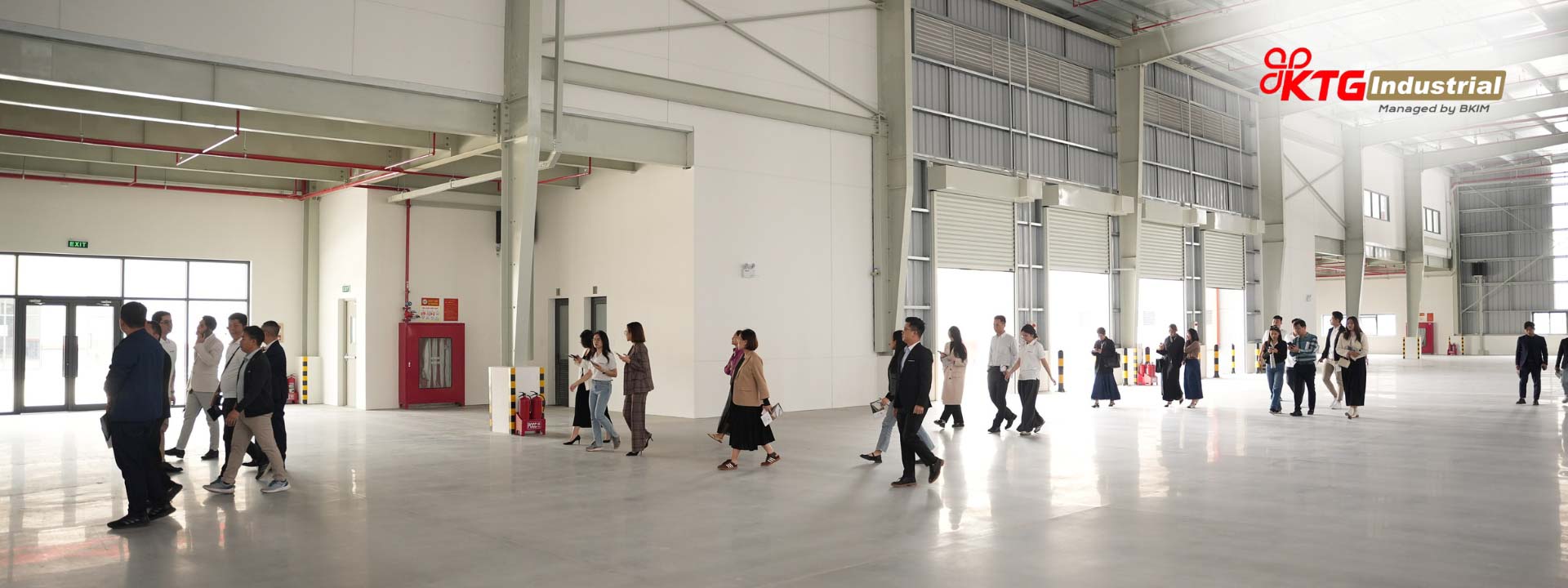
KTG Industrial provides sustainable energy-efficient factory solutions
Conclusion
Implementing energy-efficient factory solutions in Vietnam brings long-term benefits for businesses, from reducing operating costs to improving production efficiency and lowering emissions.
When these solutions are integrated from the design and operational stages, factories not only use energy more efficiently but also meet sustainability standards.
References
[1] Energy Star (2024). EPA Announces Most Energy-Efficient Manufacturing Plants of 2023.
https://www.energystar.gov/most-efficient-plants-2023
[2] Plant Engineering (2023). Six ways to maximize efficient manufacturing with minimized energy.
[3] U.S. Department of Energy. Industrial Efficiency Technologies.
https://www.energy.gov/eere/ito/industrial-efficiency-technologies