

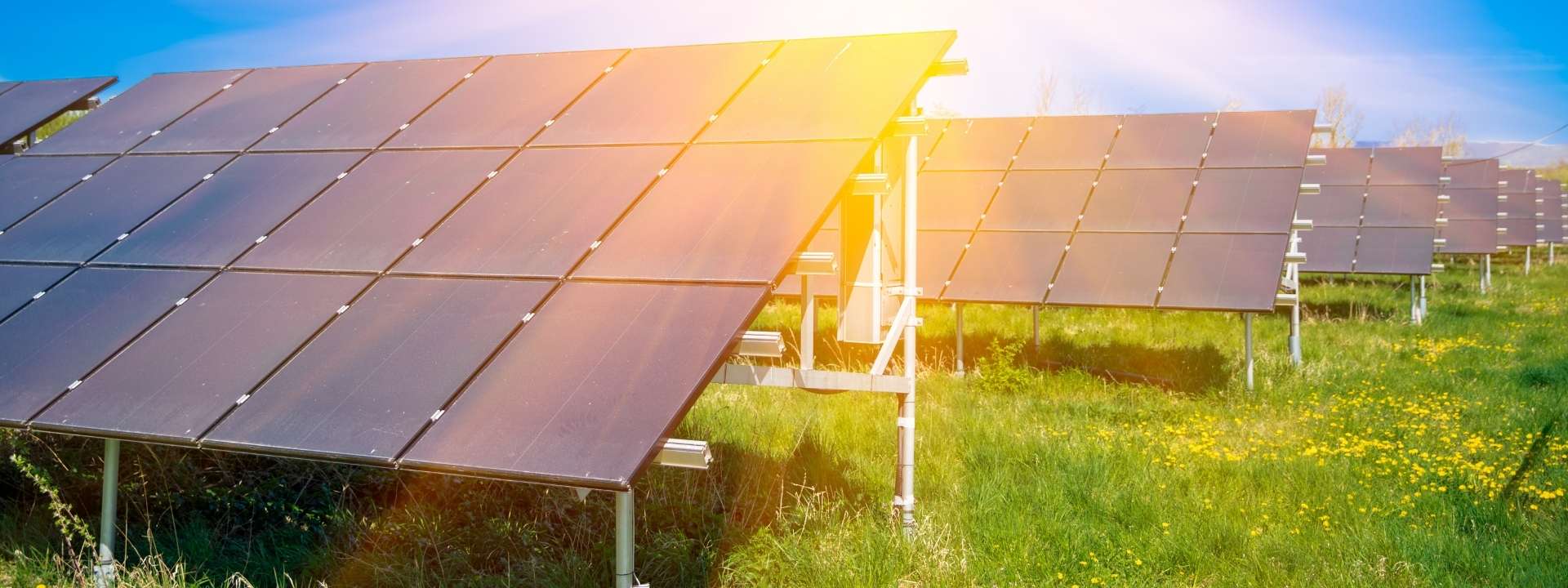
Sustainable development is gradually becoming an important criterion in the planning and development of industrial zones in many countries, including Vietnam. Alongside investment attraction policies, various incentive mechanisms have also been developed to encourage green infrastructure and emissions reduction.
In this article, KTG Industrial provides an overview of incentives for sustainable industrial zones in Vietnam, while also analyzing the opportunities available for businesses to leverage.
What is a sustainable industrial zone in the context of Vietnam’s policies?
A sustainable industrial park is an industrial park development model that seeks to balance economic growth, efficient resource use, and environmental protection.
Within Vietnam’s legal framework, this concept is commonly associated with eco-industrial parks (EIPs), as regulated under Decree 35/2022/ND-CP on the management of industrial parks and economic zones [1].
Under these regulations, eco-industrial parks encourage businesses to use resources efficiently, promote industrial symbiosis, reduce waste generation, and improve energy and water efficiency during production. This is also an important direction in Vietnam’s strategy for developing green and sustainable industrial parks [2].

Sustainable industrial parks aim to achieve economic growth alongside efficient resource use and environmental protection
Criteria for recognition and eligibility for incentives
Under Article 37 of Decree 35/2022/ND-CP, an industrial park may be considered for certification as an eco-industrial park when it meets criteria related to legal compliance, the provision of infrastructure and support services for industrial symbiosis, and the proportion of enterprises implementing resource efficiency and industrial symbiosis solutions or obtaining sustainable production certification in accordance with regulations.
The certification application is prepared by the investor developing and operating the industrial park’s infrastructure and submitted to the competent authority in accordance with the procedures stipulated in Decree 35/2022/ND-CP and the guidance under Circular 05/2025/TT-BKHDT [1].
Distinguishing traditional industrial parks, eco-industrial parks, and new-generation industrial parks
| Criteria | Traditional Industrial Parks | Eco-Industrial Parks | New-Generation Industrial Parks |
| Development model | Focused on manufacturing and investment attraction | Combining economic development with environmental protection | Integrating sustainable development, technology, and innovation |
| Resource management | Managed independently by each enterprise | Encouraging efficient resource use and industrial symbiosis | Optimizing resources through digital technology, the circular economy, and clean energy |
| Policies | Implemented in accordance with general regulations | Development oriented under Decree 35/2022/ND-CP | No separate legal framework yet, mainly serving as a development direction in strategies and industrial park forums |
| Infrastructure | Production-oriented infrastructure | Additional environmental infrastructure and resource-saving solutions | Smart and digitalized infrastructure, oriented toward low emissions and green production |
Current legal framework for investment incentives for sustainable industrial parks
Decree 35/2022/ND-CP: The core legal framework
Decree 35/2022/ND-CP is the first legal document to provide relatively comprehensive regulations on eco-industrial parks in Vietnam. The decree establishes the concept, recognition criteria, certification procedures, and development support policies for this model.
At the same time, the document encourages industrial symbiosis, efficient resource use, and the adoption of cleaner production practices to improve the operational efficiency of industrial parks [1].
Resolution 68: A new policy signal
Issued in 2025, Resolution 68-NQ/TW of the Politburo identifies the private sector as an important driver of the economy and emphasizes the need for development based on innovation, digital transformation, and green transformation.
Although the resolution does not specifically regulate eco-industrial parks, it provides policy direction for improving support mechanisms for businesses investing in modern technology, green production, and high-quality infrastructure in the coming period [3].
Investment law 2020 and regulations on clean technology
The Investment Law 2020 specifies the forms, eligible entities, and sectors eligible for investment incentives, including various fields related to environmental protection, renewable energy, and high technology. On this basis, the draft decree replacing Decree 35/2022/ND-CP continues to propose expanding incentive mechanisms for industrial parks and economic zones undergoing green transformation.
Notably, businesses investing in clean technology, renewable energy, or circular economy models are proposed to receive additional tax and credit incentives, contributing to the development of sustainable industrial parks [4].
Specific types of incentives for sustainable industrial zones
Corporate income tax (CIT) incentives
Businesses investing in industrial parks may be eligible for corporate income tax incentives if their projects fall within sectors or locations eligible for investment incentives under the Investment Law and tax regulations. The specific incentive level depends on the type of project, business sector, and investment location.
For projects involving environmental protection, renewable energy, high technology, or green production, the State continues to study and refine policies to encourage investment and promote green transformation in industrial parks [4].
Investment tax incentives help encourage businesses to develop green production in industrial parks
Land lease and land use fee incentives
Under current regulations, investment projects that meet the eligibility requirements for incentives may be exempted from or receive reductions in land rental fees in accordance with land laws. For eco-industrial parks, policies are oriented toward encouraging the development of green infrastructure and efficient resource use.
The specific level of incentives depends on the type of project, investment location, and relevant legal regulations.
Green credit and R&D cost support
Alongside investment incentives, Vietnam is gradually developing mechanisms to help businesses access green credit and promote technological innovation. Projects applying clean technology, improving energy efficiency, reusing resources, or adopting circular economy models are encouraged to access preferential financing from domestic and international financial institutions [4].
This is also a trend that has been adopted by countries such as South Korea and Japan to promote the development of sustainable industrial parks.
Customs procedures and investment licensing incentives
One of the advantages for businesses investing in industrial parks is the ability to complete various procedures through the Management Board of industrial parks and economic zones under a one-stop and interconnected one-stop mechanism [4].
This model helps shorten the processing time for procedures related to investment, construction, environment, and labor. Under the draft decree replacing Decree 35/2022/ND-CP, this mechanism will continue to be maintained to facilitate business operations, particularly for projects oriented toward green transformation [1].
| Type of Incentive | Details | Applicable Basis |
| Corporate income tax (CIT) incentives | Businesses may be eligible for tax incentives if their projects fall within sectors or locations eligible for investment incentives under the law. Projects involving high technology, environmental protection, renewable energy, and green production continue to be prioritized under new policy directions. | Investment Law 2020; draft decree replacing Decree 35/2022/ND-CP. |
| Land incentives | Projects meeting the eligibility requirements for investment incentives may be exempted from or receive reductions in land rental fees as prescribed. The level of incentives depends on the type of project, investment location, and land-related legal regulations. | Investment Law 2020; Land Law and guiding documents. |
| Green credit and technological innovation support (R&D) | Vietnam is developing mechanisms to support businesses investing in clean technology, renewable energy, circular economy models, and emissions reduction solutions through credit incentives and appropriate support policies. | Policy proposals of the Ministry of Industry and Trade; draft decree replacing Decree 35/2022/ND-CP. |
| Investment procedure support under the one-stop mechanism | Businesses receive support in carrying out procedures related to investment, business registration, land, construction, environment, labor, and trade through the one-stop and interconnected one-stop mechanism at the Management Boards of industrial parks and economic zones. | Decree 35/2022/ND-CP and the draft replacement decree continue to maintain this mechanism. |
International Experience and lessons for Vietnam
South Korea, Japan, and China models in eco-industrial park development
Many Asian countries have implemented policies to promote the development of eco-industrial parks through a combination of financial incentives and specific assessment criteria.
South Korea focuses on supporting technological innovation and industrial symbiosis, while Japan promotes circular economy models and efficient resource use.
China has also established an assessment system for green industrial parks based on energy efficiency, emissions reduction, and waste reuse.
These experiences show that incentives are typically tied to clear performance indicators rather than being applied automatically, thereby encouraging businesses to continuously improve their environmental performance [5].
GEIPP/UNIDO initiative and its impact in Vietnam
Vietnam is one of the countries participating in the Global Eco-Industrial Parks Programme (GEIPP) implemented by UNIDO.
During the pilot phase, the program supported numerous businesses in implementing resource efficiency and industrial symbiosis solutions, helping save more than 22,000 MWh of electricity, 600,000 m³ of water, and 3,600 tons of chemicals annually, while reducing approximately 32,000 tons of CO₂ emissions each year [6].
These results have provided a practical basis for Vietnam to further improve its policies and promote the development of eco-industrial parks in the next phase.
Opportunities and challenges for FDI investors in sustainable industrial parks in Vietnam
Competitive advantages over traditional industrial parks
For FDI businesses, particularly corporations with ESG strategies or emissions reduction targets, eco-industrial parks offer several operational advantages. Shared infrastructure, such as wastewater treatment systems, waste management systems, and resource efficiency solutions, helps businesses optimize their initial investment costs.
At the same time, operating in an environment planned around sustainable development creates favorable conditions for businesses to meet increasingly stringent requirements from international customers and supply chains regarding green production.
In addition, eco-industrial parks often encourage businesses to participate in industrial symbiosis and adopt cleaner production practices. This provides a foundation for businesses to improve resource efficiency, reduce waste generation, and strengthen their long-term competitiveness.

Eco-industrial parks offer long-term advantages for businesses pursuing ESG strategies
Key considerations when choosing a green-certified industrial park
When selecting an industrial park, businesses should determine whether the project has been oriented toward or certified as an eco-industrial park in accordance with Vietnamese regulations. In addition, they should assess the quality of environmental infrastructure, the capacity to support industrial symbiosis, energy and water management systems, and the investor’s experience in implementing sustainable development solutions.
For export-oriented businesses, choosing an industrial park with a green development orientation from the outset can also help them better meet increasingly stringent international market requirements regarding traceability, emissions reduction, and supply chain transparency.
Key considerations when selecting an industrial park
Experience from eco-industrial park models shows that competitive advantages come not only from investment incentives but also depend on infrastructure quality, management capabilities, and supply chain connectivity. When selecting an investment location, businesses should consider the following factors together:
- Industrial park development orientation: Whether the industrial park has been certified or is being developed under the eco-industrial park model in accordance with Vietnamese regulations.
- Capabilities of the investor and Management Board: The ability to support investment procedures, address issues that arise, and work alongside businesses throughout their operations.
- Technical and environmental infrastructure: Whether wastewater treatment systems, energy infrastructure, internal transportation, and resource-saving solutions are already operational or remain under development.
- Supply chain connectivity: Whether the industrial park’s location provides convenient connections to seaports, airports, logistics centers, and supplier networks, thereby optimizing transportation costs and delivery times.
Sustainable industrial zone development outlook to 2030
The development of eco-industrial parks will remain one of the key directions in Vietnam’s investment attraction strategy through 2030. In addition to transforming existing industrial parks toward more efficient resource use and emissions reduction, the Government is also promoting the application of digital technology in infrastructure management while increasing decentralization to local authorities to improve the effectiveness of investment attraction.
As ESG standards and green supply chain requirements receive increasing attention, industrial parks with integrated infrastructure, a sustainable development orientation, and professional support services will have significant advantages in attracting high-quality FDI, particularly in electronics, semiconductors, high technology, and clean energy [7].
KTG Industrial – Green real estate solutions for businesses
As a joint venture between Khai Toan Group (KTG) and Boustead Projects (Singapore), KTG Industrial develops projects based on ESG criteria, providing ready-built factories and ready-built warehouses to meet the needs of domestic and international businesses.
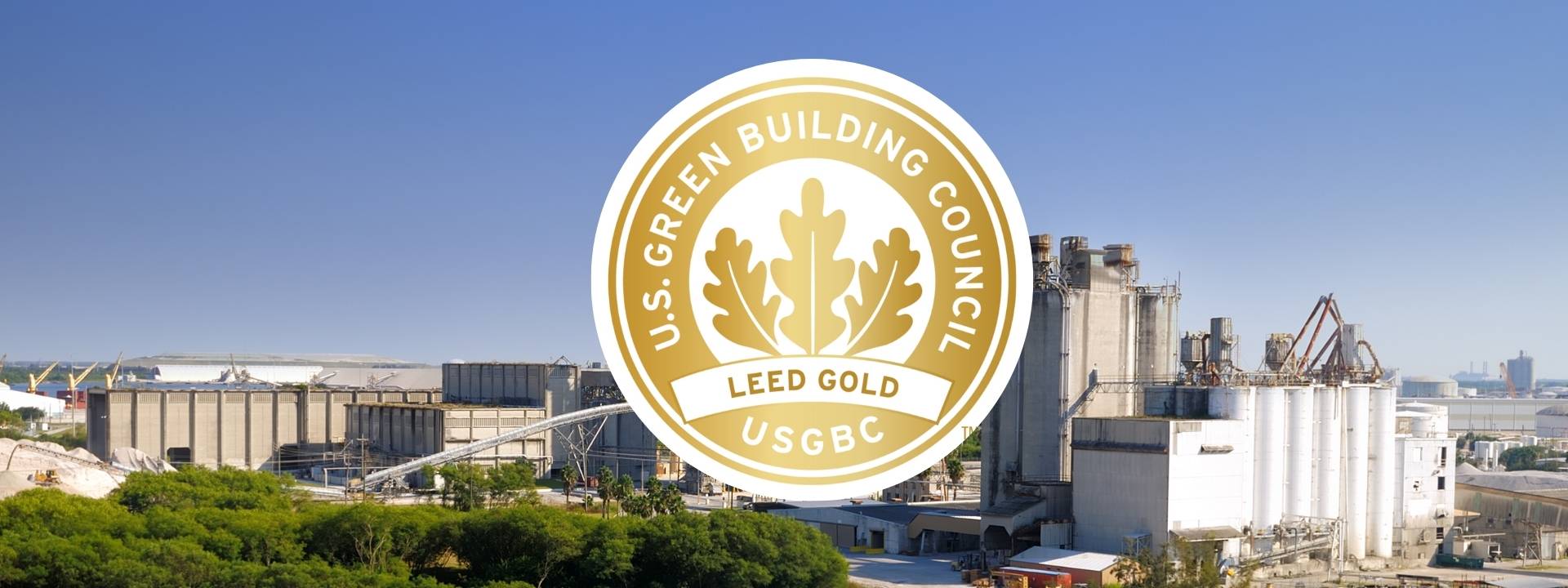
A notable project is KTG Industrial VSIP Bac Ninh II (Phase 1), which was developed with a green building orientation and achieved LEED Gold certification, with a focus on optimizing operational efficiency and resource use.
Beyond providing industrial infrastructure, KTG Industrial works alongside tenants throughout the investment process, from consulting on suitable solutions and supporting procedures to meeting technical requirements specific to each manufacturing sector.
With strategic locations, reliable infrastructure, and an experienced team, KTG Industrial has become a choice for businesses in sectors such as semiconductors, electronics, precision engineering, and supporting industries.
With its sustainable development orientation and professional support services, KTG Industrial helps businesses shorten project implementation timelines, improve operational efficiency, and prepare to meet increasingly stringent supply chain requirements.
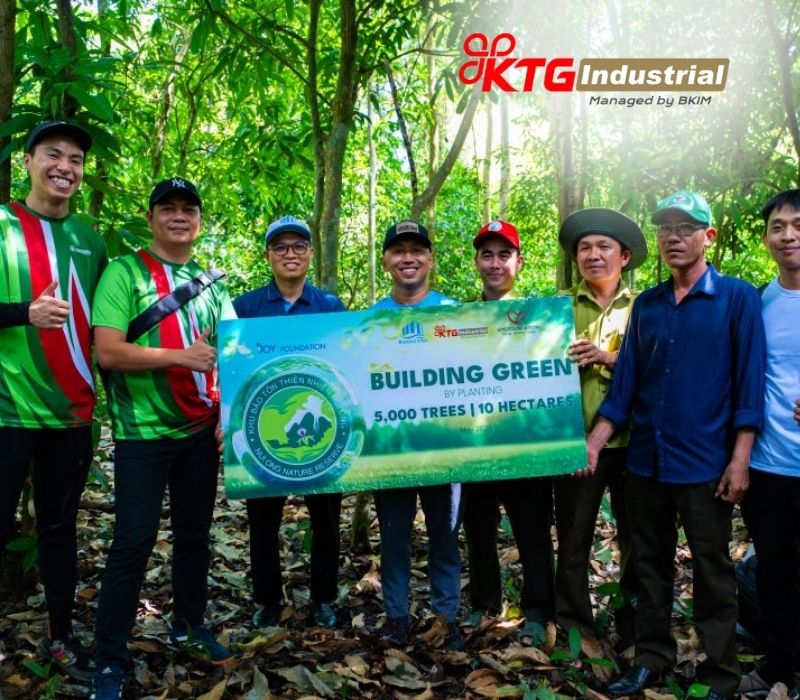
KTG Industrial partners with businesses on their journey toward green and sustainable development
Conclusion
Incentive policies for sustainable industrial parks in Vietnam are gradually being refined, creating more opportunities for businesses to pursue green and efficient investment.
In addition to leveraging government support mechanisms, selecting an experienced investor with infrastructure aligned with sustainable development goals and professional support services is also an important factor in determining the success of a project.
With experience in developing ready-built factories and Ready-built warehouses to international standards, KTG Industrial is ready to support businesses in finding industrial real estate solutions that align with their long-term development goals in Vietnam.
References
[1] congbao.chinhphu.vn (2022). Nghi dinh Quy dinh ve quan ly khu cong nghiep va khu kinh te.
https://congbao.chinhphu.vn/van-ban/nghi-dinh-so-35-2022-nd-cp-37238.htm
[2] Bo Ke hoach va Dau tu (2025). Thong tu Huong dan xay dung khu cong nghiep sinh thai.
https://congbao.cdnchinhphu.vn/CongBaoCP/VanBan/2025/1/44340/55229-1-2025459-46005-2025-tt-bkhdt.pdf
[3] Chinhphu.vn (2025). Toan van Nghi quyet so 68-NQ/TW ve phat trien kinh te tu nhan. Bao dien tu Chinh phu.
https://baochinhphu.vn/toan-van-nghi-quyet-so-68-nq-tw-ve-phat-trien-kinh-te-tu-nhan-102250505122337909.htm
[4] Vietnam Law & Legal Forum Magazine (2025). Industrial parks, economic zones engaged in green transition to enjoy more investment incentives.
https://vietnamlawmagazine.vn/industrial-parks-economic-zones-engaged-in-green-transition-to-enjoy-more-investment-incentives-75923.html
[5] scp.net.vn (2024). Thuc day phat trien tieu dung xanh o Viet Nam.
https://scp.gov.vn/tin-tuc/t13744/thuc-day-phat-trien-tieu-dung-xanh-o-viet-nam
[6] Viet Nam Circular Economy. Circular Economy in Eco-Industrial Parks.
https://vietnamcirculareconomy.vn/showcase/circular-economy-in-eco-industrial-parks/?lang=en
[7] Chinhphu.vn (2024). De cac khu cong nghiep Viet Nam tich cuc chuyen minh, huong toi mo hinh thong minh va ben vung. Bao dien tu Chinh phu.
https://baochinhphu.vn/de-cac-khu-cong-nghiep-viet-nam-tich-cuc-chuyen-minh-huong-toi-mo-hinh-thong-minh-va-ben-vung-102241219160025707.htm