

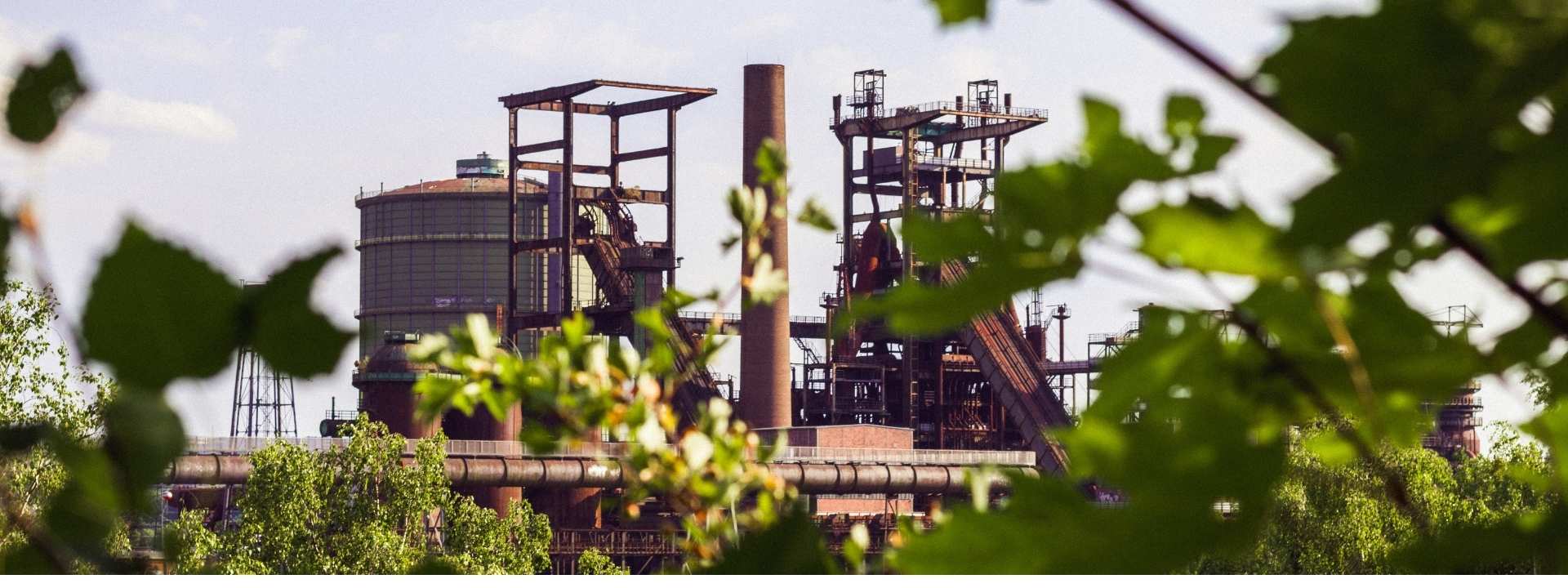
In Southeast Asia, many enterprises are gradually shifting from traditional factory models to green factories to optimize costs, use resources efficiently, and meet sustainable development standards.
So, what are the key differences when comparing green vs traditional factories in Southeast Asia, and which option is right for businesses today?
What is a green factory? What criteria define a “green” manufacturing facility?
A green factory is a manufacturing facility model designed and operated to reduce environmental impact through the efficient use of energy and resources, as well as strict control over generated emissions. Unlike traditional factories that focus solely on production yield, green factories aim for a balance between economic efficiency, environmental responsibility, and long-term sustainability.
A manufacturing facility is not considered “green” simply by installing a few power-saving devices or using eco-friendly imagery in marketing. To be recognized, a factory must meet specific, measurable criteria including energy consumption, carbon emissions, resource reusability, water management, and waste treatment.
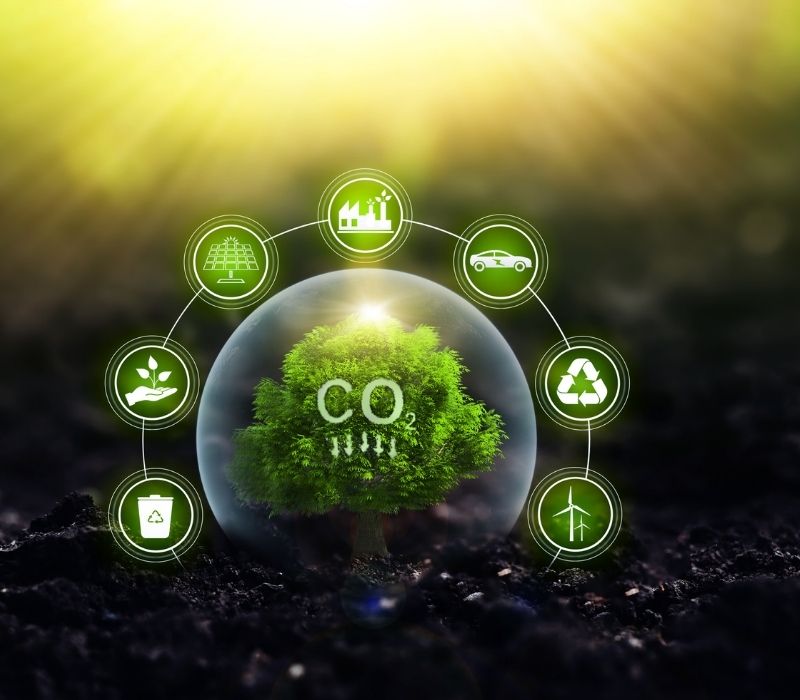
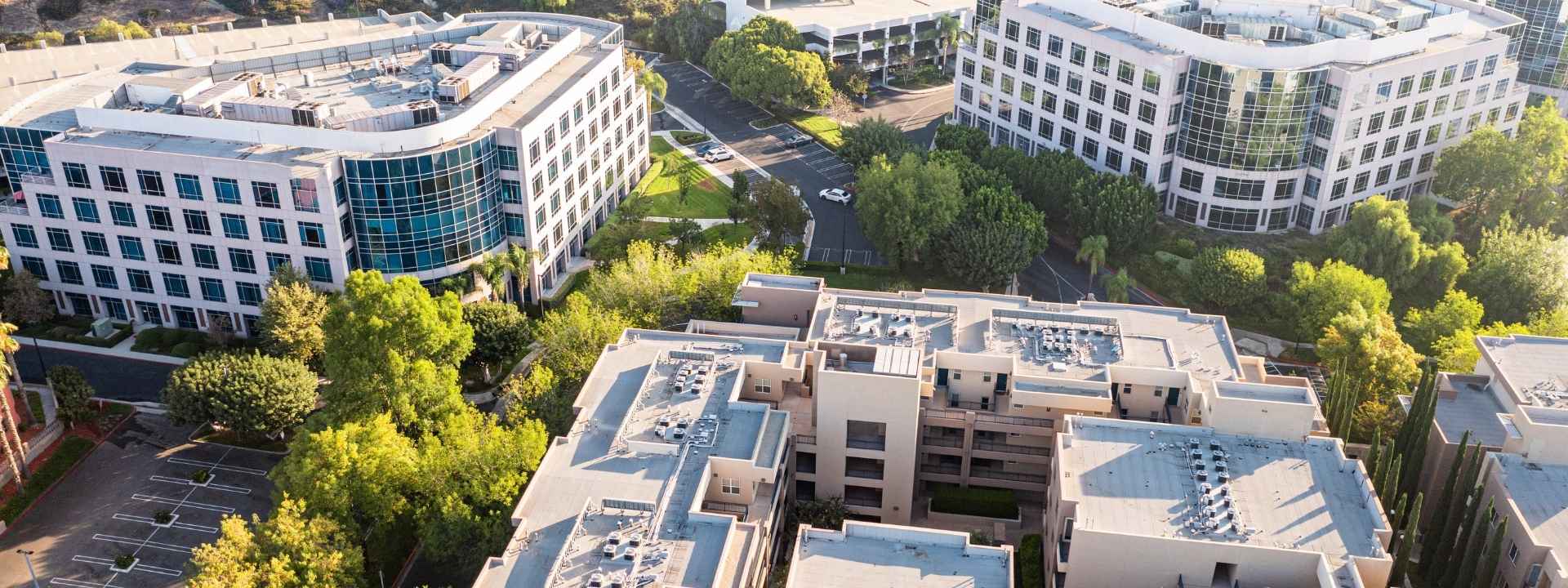
Green standards help factories optimize energy use and reduce long-term emissions.help factories optimize energy use and reduce long-term emissions.
Internationally recognized green certifications
Certifications such as LEED, EDGE, and Green Mark evaluate building sustainability based on concrete criteria covering energy, water, materials, and operating environments.
Beyond individual factory certifications, many Southeast Asian countries are promoting eco-industrial parks, where businesses share resources, optimize energy use, and reduce waste throughout the production process.
However, enterprises need to distinguish between “labeled greening” and “measurable green standards.” A factory is only truly sustainable when supported by verifiable data regarding energy efficiency, emissions levels, and resource savings [1].
Three pillars of a green factory
A green factory is typically built around three core pillars: clean energy, energy efficiency, and a low-carbon supply chain.
- Clean energy: Companies can integrate rooftop solar panels, energy storage systems, or green power purchase agreements (PPAs).
- Energy efficiency: Operational solutions such as smart HVAC, natural ventilation, and energy-efficient equipment help lower long-term expenses.
- Low-carbon supply chain: Beyond the factory walls, businesses must control emissions across their supply chain, as global corporations increasingly demand full carbon transparency from suppliers [2].
Direct comparison: Green vs traditional factories
The distinction between green vs traditional factories in Southeast Asia lies not only in structural design but also in energy utilization, cost control, and compliance with international market standards.
Energy sources
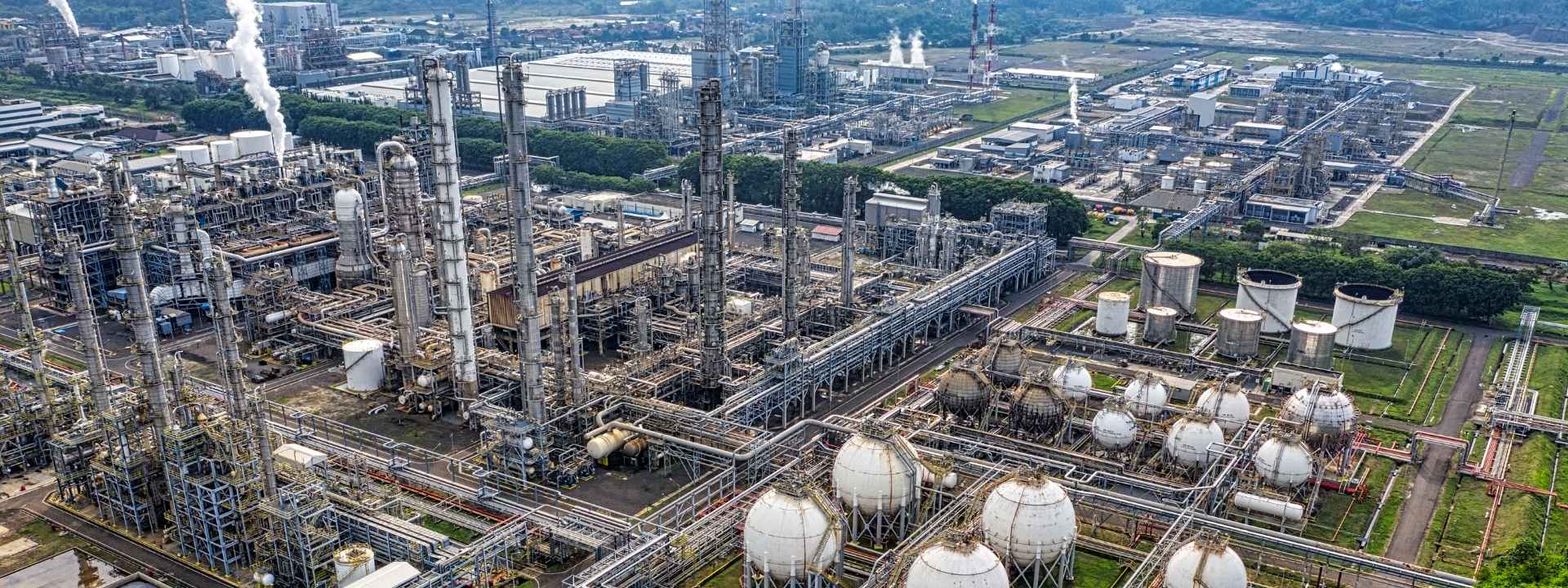
Traditional factories rely primarily on national grid electricity, which in many Southeast Asian countries still relies heavily on fossil fuels. This leaves businesses vulnerable to energy price volatility and future emission reduction mandates.
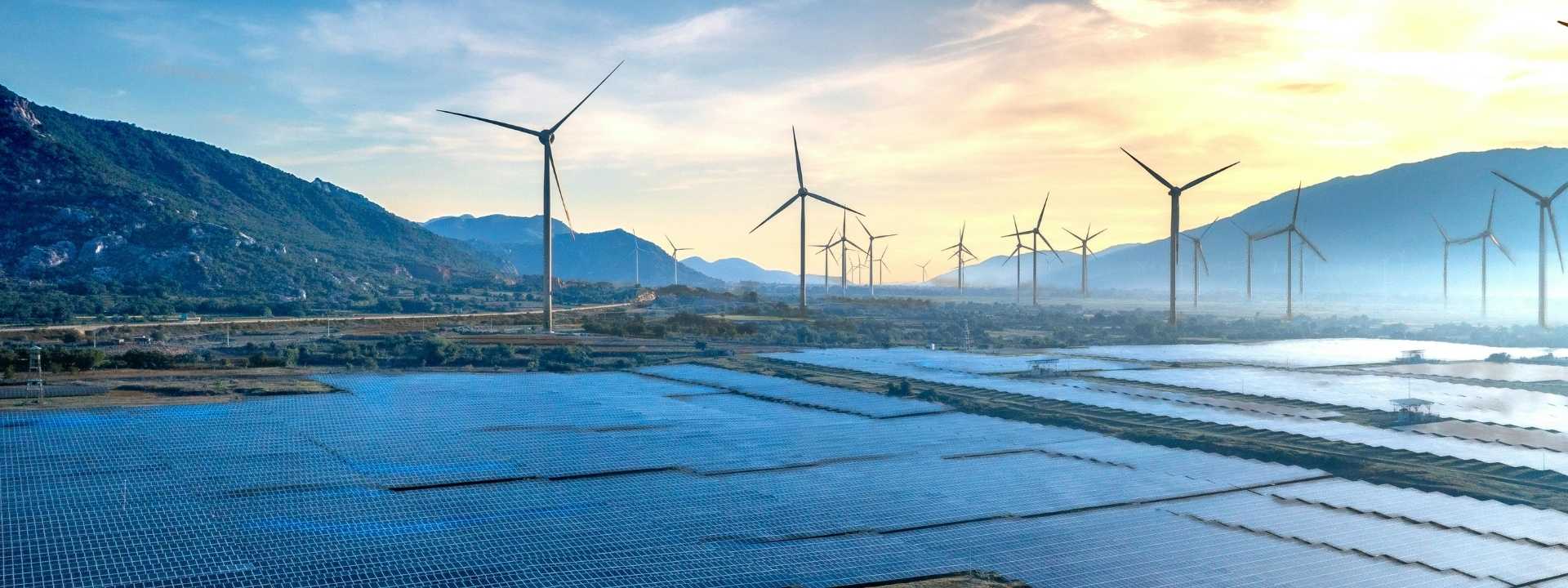
In contrast, green factories prioritize clean energy sources such as rooftop solar power, energy storage systems, or renewable power purchase agreements (PPAs). These solutions reduce carbon footprints while offering proactive control over long-term operating costs.
According to the Lowy Institute, adopting energy-saving technology is a vital mechanism for reducing industrial emissions in Southeast Asia [2].
Long-term operating costs (TCO)
A common misconception is that green factories are always more expensive than traditional ones. While initial capital expenditure may be higher due to specialized design, technology, and energy management systems, green factories offer significant operational cost reductions over their entire lifecycle.
Savings generally result from lower electricity consumption, optimized water usage, reduced waste treatment fees, and mitigation of risks associated with future carbon penalties.
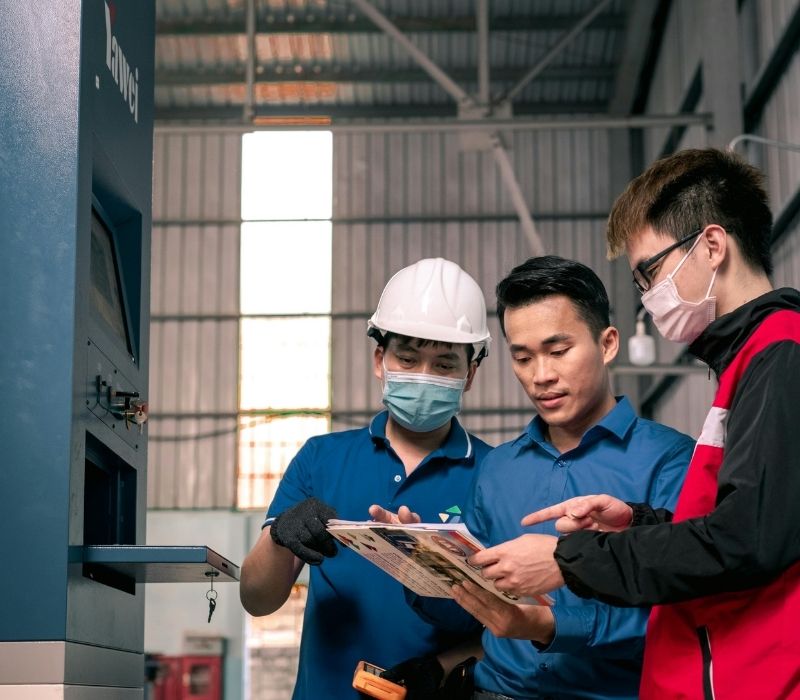
Investing green today helps businesses optimize operations in the future.
Ability to meet export standards
As major markets like the EU and the US tighten ESG requirements, manufacturing facilities must guarantee product quality while proving operational emission control.
Green factories hold a strong competitive edge through actionable data on energy, carbon, and sustainable production processes. This transparency is critical when joining the supply chains of multinational corporations that enforce strict environmental benchmarks.
Specifically, the EU’s Carbon Border Adjustment Mechanism (CBAM) requires exporters of specific goods into the EU to declare embedded carbon emissions. During full implementation, importers will need to purchase CBAM certificates corresponding to these emissions [4].
Are green factory rental costs really higher?
TCO analysis – what is the real cost?
When choosing a production location, enterprises often focus on initial rental rates while overlooking Total Cost of Ownership (TCO). While rental rates for green factories may carry a premium due to pre-installed energy-saving infrastructure, businesses frequently offset this through lower operational expenses.
For example, rooftop solar, optimized natural lighting and ventilation, and energy management software reduce monthly utility bills. Businesses also avoid unexpected retrofit costs needed to satisfy client ESG mandates later on.
Hidden risks of traditional factories
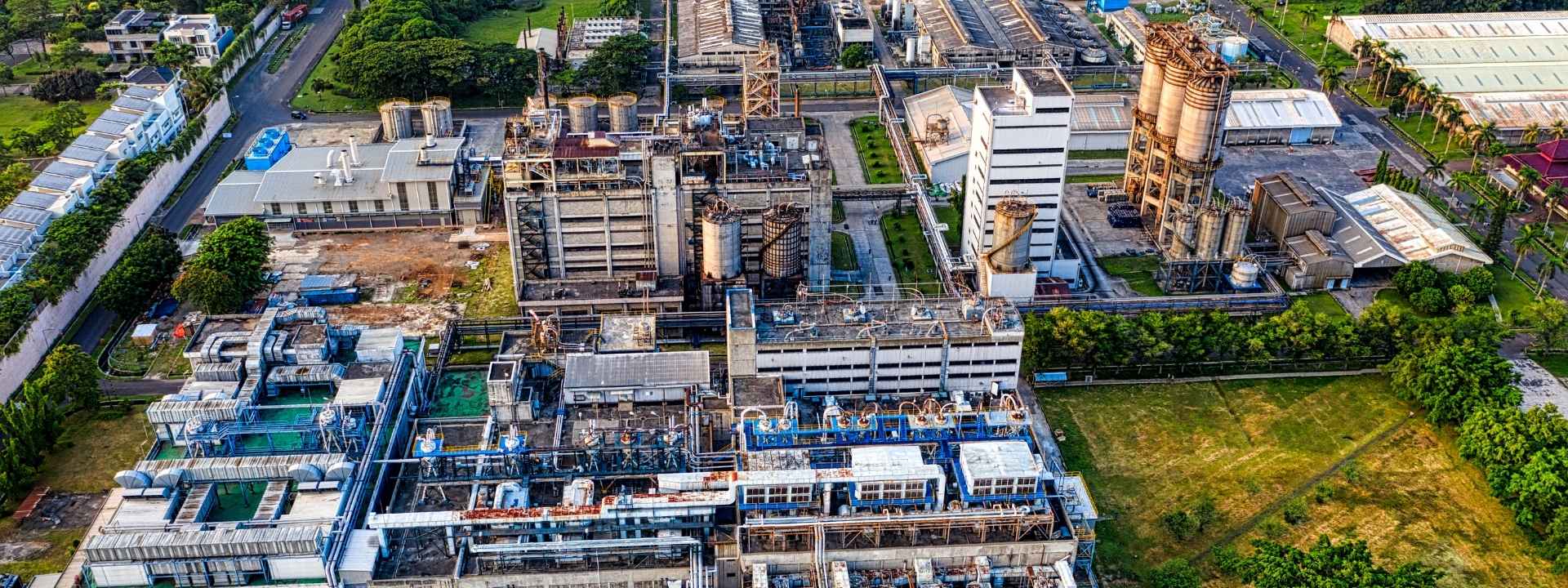
Traditional factories may offer lower upfront capital costs, but they expose businesses to substantial long-term risks as environmental regulations tighten.
Three major risks include:
- Rising carbon taxes and compliance costs.
- Loss of opportunities to integrate into global supply chains.
- Inability to meet emissions reporting requirements from key enterprise clients.
As multinational corporations execute decarbonization strategies, suppliers without transparent carbon data risk disqualification during procurement evaluations [2].
How are global green standards affecting factory location decisions?
CBAM – EU carbon tariff and its impact on traditional factories
The EU’s Carbon Border Adjustment Mechanism (CBAM) increases pressure on manufacturers operating in high-emission intensity regions. Exporters of goods such as steel, cement, aluminum, and fertilizers into the EU must report associated carbon emissions [5].
Fossil-fuel-reliant factories risk extra costs when accessing European markets, whereas facilities backed by robust carbon management systems secure a distinct competitive advantage.
“China Plus One” strategy and opportunities for SEA
The “China Plus One” strategy continues to prompt international enterprises to diversify supply chains beyond China into alternative markets. According to the Sino-Southeast Initiative, 38% of global enterprises plan to reduce their supply chain presence in China, underlining a shift toward geographical diversification [6].
Southeast Asia stands as a prime destination due to strategic geographic positioning, competitive labor forces, and favorable investment policies. However, as ESG compliance and carbon tracking become key investment factors, decision-makers are evaluating environmental readiness alongside cost and logistics.

Manufacturing facilities with green infrastructure and energy efficiency help businesses mitigate risks when entering global supply chains.
ESG requirements from major corporate clients
Scope 3 emissions reporting – tracking indirect emissions across value chains, including raw materials, transport, and vendor operations – is becoming standard practice. Traditional factories lacking energy and carbon monitoring systems face hurdles when competing in corporate tender processes.
Global value chain partners increasingly demand verified proof of responsible sourcing and low-emission manufacturing [7].
Current status of green factory development in Southeast Asia
Vietnam – From solar power to eco-industrial parks
Vietnam is emerging as a fast-growing renewable energy market in Southeast Asia, particularly within the solar power sector.
Alongside the energy transition, Vietnam is advancing eco-industrial parks to boost resource efficiency, minimize waste, and streamline manufacturing. The Vietnam Singapore Industrial Park (VSIP) model represents a prime example of sustainable industrial park development being scaled nationally, merging modern infrastructure with stringent environmental criteria [7].
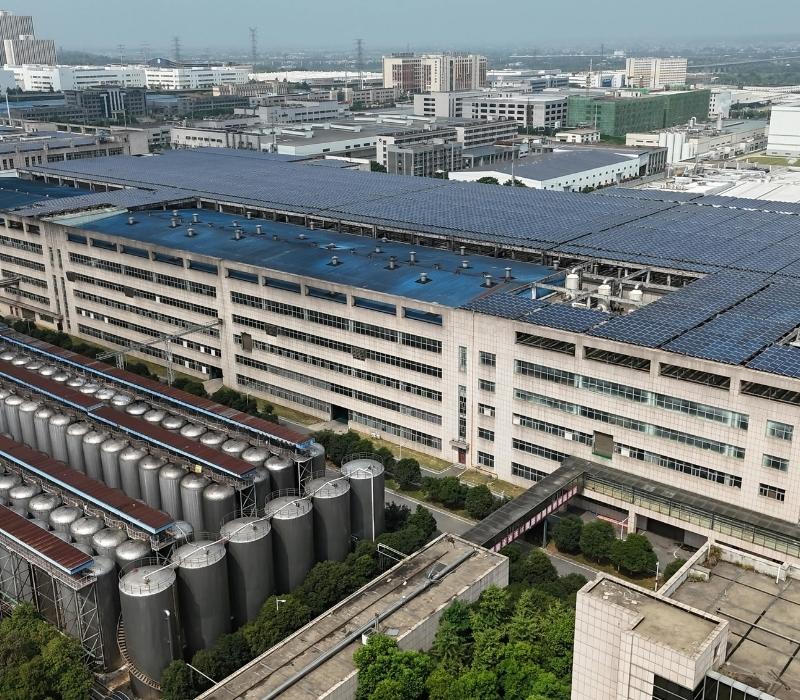
Eco-industrial parks are becoming a key direction for manufacturing in Vietnam.
Thailand and Indonesia – Two distinct approaches
Thailand and Indonesia are following distinct approaches based on their national strategic strengths:
Thailand: The government is promoting renewable energy through the Alternative Energy Development Plan, aiming to increase the renewable energy share by 2036. The country is also attracting investment into new green sectors, particularly electric vehicle (EV) manufacturing.
Indonesia: The nation is developing large-scale green industrial parks, notably in Kalimantan, to leverage renewable energy potential for solar PV production and EV battery manufacturing. This strategy aligns industrial expansion with long-term decarbonization goals [7].
Singapore and Malaysia: Green infrastructure built from policy, not trends
Unlike markets in early transition stages, Singapore and Malaysia have embedded green development directly into long-term industrial frameworks.
Singapore: The Green Building Masterplan and Green Mark certification system drive energy efficiency across manufacturing and commercial facilities [8].
Malaysia: The New Industrial Master Plan 2030 (NIMP 2030) guides the manufacturing sector toward high-tech, low-emission operations, embedding ESG across development strategies [9]. In addition, the Sarawak Corridor of Renewable Energy (SCORE) leverages regional clean energy assets to attract energy-intensive industries to sustainable industrial corridors [10].
What criteria should FDI enterprises prioritize when selecting a factory in Southeast Asia?
Checklist of 5 core criteria
When choosing a manufacturing site in Southeast Asia, FDI enterprises should look beyond base rental costs or proximity to evaluate long-term operational viability and global ESG alignment.
A suitable facility should fulfill these 5 core criteria:
- Recognized green certifications: Accreditation such as LEED, EDGE, or Green Mark validates building sustainability against measurable metrics.
- Clear renewable energy access: Facilities should offer clean energy integration via on-site rooftop solar, energy storage systems, or renewable power purchase agreements (PPAs).
- Design optimized for tropical climates: Features like high-efficiency HVAC, specialized building envelope insulation, natural ventilation, and thermal control lower operational power draw.
- Favorable logistics location: Proximity to seaports, international airports, and major transport corridors reduces transit costs and keeps supply chains connected.
- Carbon data capability: Facilities must possess energy and carbon tracking systems to support corporate ESG disclosures, particularly Scope 3 emission demands from international partners.
KTG Industrial – Green factory solutions for FDI in Vietnam
KTG Industrial is a joint venture between Khai Toan Group (Vietnam) and Boustead Projects (Singapore), forming a partnership under the brand BKIM. Combining Khai Toan Group’s local market insights with Boustead Projects’ international expertise in industrial real estate, KTG Industrial provides factory and warehouse solutions customized to diverse corporate needs.
KTG Industrial develops Ready-Built Factories, Ready-Built Warehouses, and Build-To-Suit Factories, managing a land bank of over 100 hectares, serving over 60 tenants across more than 14 projects in Vietnam.
To support sustainable industrial growth in Vietnam, KTG Industrial prioritizes environmental, social, and governance (ESG) standards across its portfolio. Projects incorporate renewable energy options such as rooftop solar, thermal insulation, and natural day-lighting solutions to drive operational efficiency.
Through BKIM, KTG Industrial offers asset management, property management, and project development services to assist FDI enterprises in establishing a sustainable manufacturing base in Vietnam.
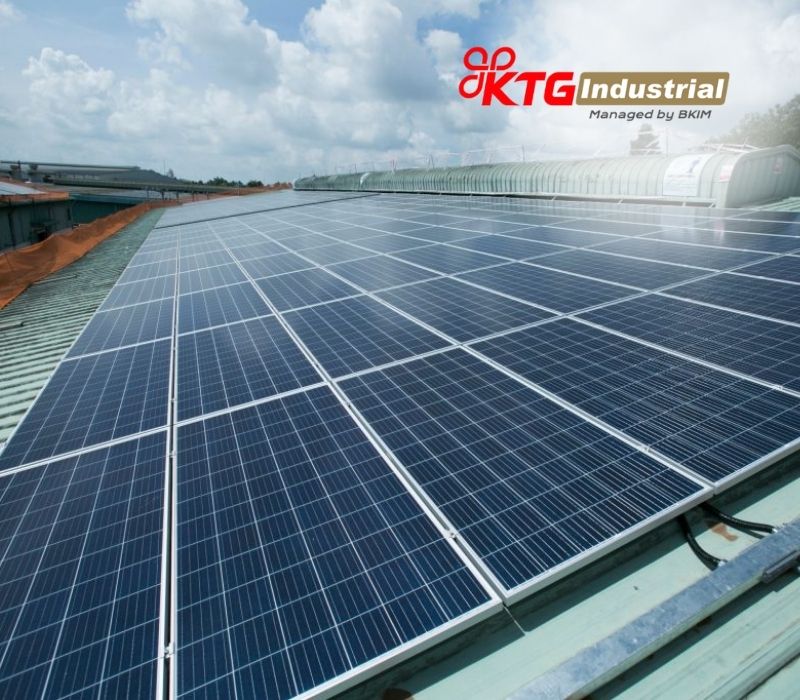
KTG Industrial provides green industrial infrastructure meeting international standards.
Conclusion
The transition toward green manufacturing in Southeast Asia is accelerating. Beyond reducing operating costs, green factories position businesses to comply with ESG requirements and international supply chain mandates. When selecting a production location, FDI enterprises should evaluate energy access, environmental credentials, and long-term operating efficiency to ensure sustainable growth in the region.
References
[1] Singapore Economic Development Board. Southeast Asia Green Economy 2025 Report: Unlocking systems for growth and impact.
https://www.edb.gov.sg/en/business-insights/market-and-industry-reports/southeast-asia-green-economy-2025-report-unlocking-systems-for-growth-and-impact.html
[2] Lowy Institute (2025). Southeast Asia’s critical role as a green industrial leader.
https://www.lowyinstitute.org/the-interpreter/southeast-asia-s-critical-role-green-industrial-leader
[3] AVPN (2023). Five Sectors at the Forefront of Southeast Asia’s Transition to a Green Economy.
https://avpn.asia/resources/blog/five-sectors-at-the-forefront-of-southeast-asias-transition-to-a-green-economy/
[4] European Commission (2026). Start of the definitive period of the CBAM in the EU.
https://webgate.acceptance.ec.europa.eu/portal9/en/news/start-definitive-period-cbam-eu
[5] European Commission. Carbon Border Adjustment Mechanism.
https://taxation-customs.ec.europa.eu/carbon-border-adjustment-mechanism_en
[6] Jackie Wang (2026). The World’s Factory is Producing Less, and Southeast Asia Stands to Benefit. The Sino-Southeast Initiative.
[7] Jewellord Nem Singh, Daniel Chavez (2026). Green industrial policy in Southeast Asia. TNI.
https://www.tni.org/en/article/green-industrial-policy-in-southeast-asia
[8] Building and Construction Authority (2026). Singapore Green Building Masterplan (SGBMP).
https://www1.bca.gov.sg/sustainability/sgbmp/
[9] Ministry of Investment Trade and Industry. New Industrial Master Plan 2030 (NIMP 2030).
https://www.nimp2030.gov.my/nimp2030/modules_resources/bookshelf/NIMP_20303/NIMP_20303.pdf
[10] Malaysian Investment Development Authority. Sarawak Corridor of Renewable Energy (SCORE).