

SMEs (Small and Medium Enterprises) account for the majority of businesses and play a critical role in the economy.
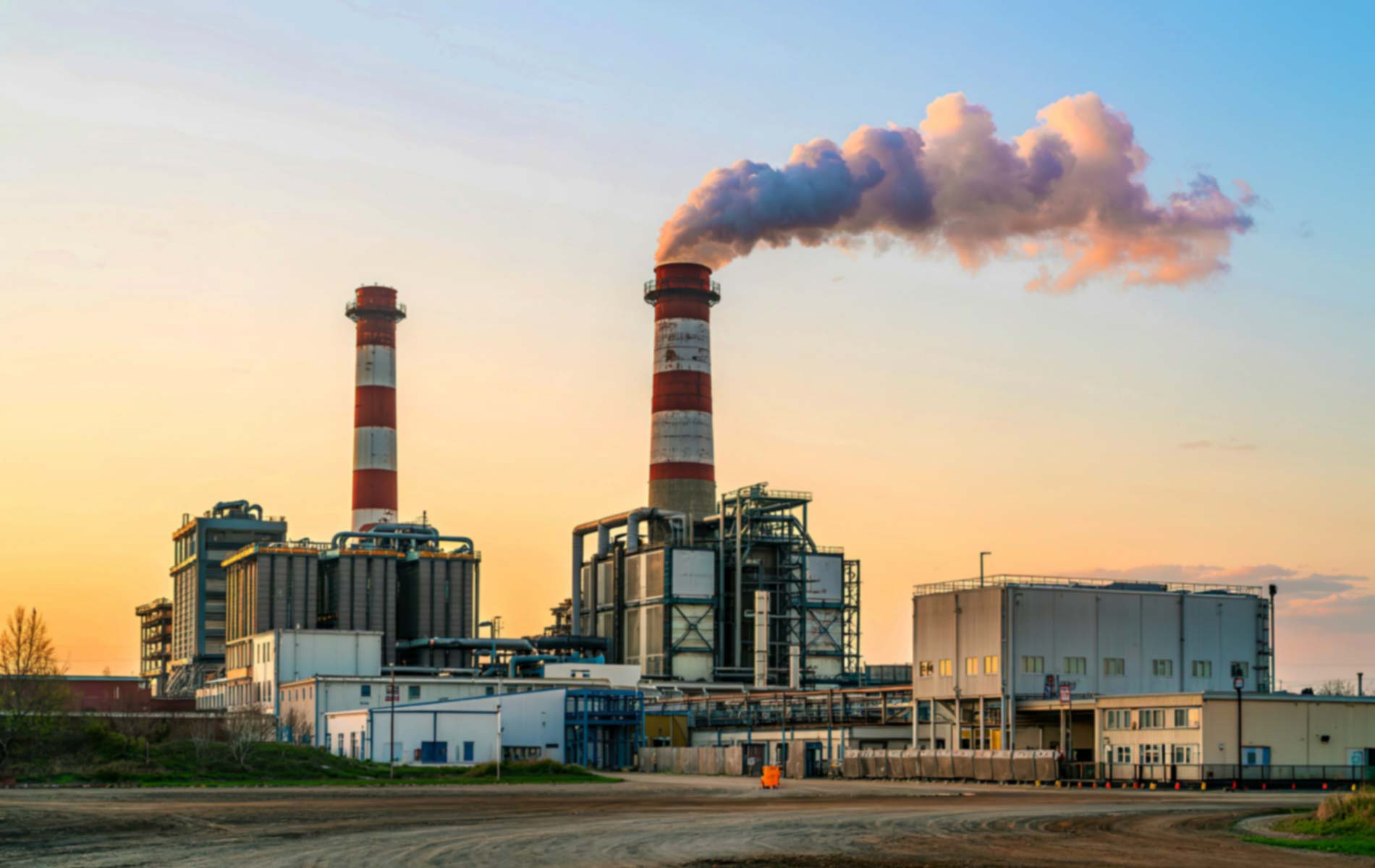
However, under increasing requirements for emissions transparency and energy usage from global supply chains, SMEs are facing the need to transition toward more sustainable development models.
Through this article, KTG Industrial introduces the role of green infrastructure in helping SMEs meet sustainability standards and achieve long-term growth.
Why do SMEs Need to transition to green now?
Pressure from global supply chains
Major export markets such as Europe, the United States, and Japan are tightening ESG standards, requiring businesses to be transparent in environmental, social, and governance practices.
As a result, SMEs that want to maintain contracts and expand markets must demonstrate their ability to reduce emissions, use energy efficiently, and comply with sustainability standards.
Key regulatory milestones
According to Mr. Hoang Van Hoan from the Ministry of Finance, the new roadmap will gradually require businesses to disclose financial information related to sustainability factors.
This means SMEs need to proactively prepare infrastructure, data systems, and processes to avoid operational disruptions or losing access to funding opportunities.
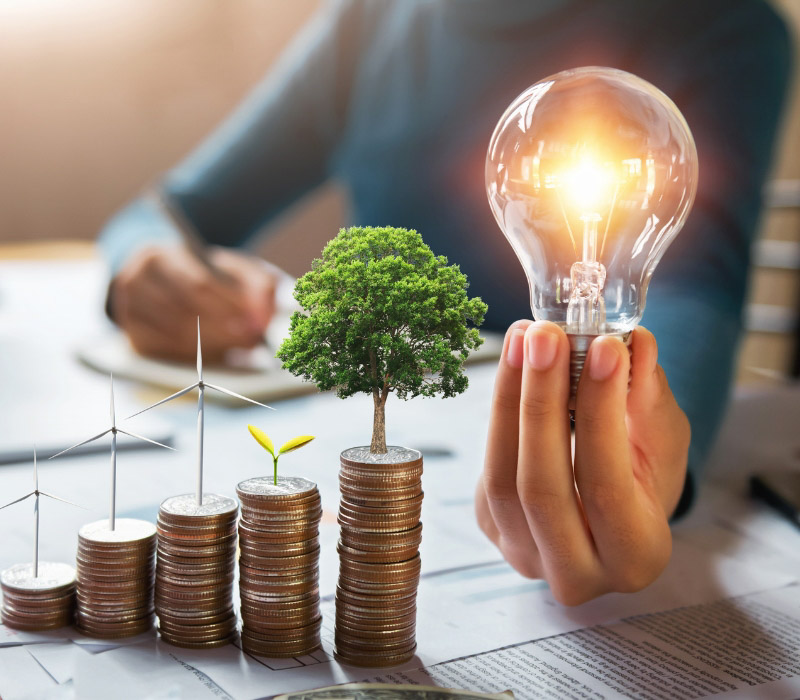
SMEs need to prepare data to meet sustainable finance requirements
Competitive advantage
On the other hand, businesses that adopt green transformation early can more easily access preferential financing, enhance credibility with partners, and increase their ability to participate in global supply chains.
This is not only a compliance requirement but also an opportunity for SMEs to grow and compete sustainably in a new business environment.
Current green finance support sources
Green credit from commercial banks
Many banks have introduced green credit packages with interest rates approximately 1 to 2% lower than conventional loans, helping SMEs reduce investment costs.
At the same time, the State Bank of Vietnam has issued Circular 03/2022/TT-NHNN to guide environmental risk management and promote credit for sustainable projects.
Green credit helps SMEs reduce costs and accelerate sustainable investment
Funds and capital markets
In addition to bank loans, SMEs can mobilize capital through green bonds and climate funds from international organizations.
These programs typically focus on supporting projects related to energy efficiency, emission reduction, and clean technology adoption.
Furthermore, the establishment of International Financial Centers in Ho Chi Minh City and Da Nang is expected to expand green capital sources and facilitate easier connections between businesses and global investors.
Government incentives
The government is also implementing tax incentives and market support policies for clean technology and energy-efficient projects.
As a result, SMEs gain additional motivation to pursue green transformation and enhance long-term competitiveness.
Requirements and process for SMEs to access “green capital”
Key requirements
First, SMEs need to develop specific and feasible projects rather than remaining at the conceptual level. Businesses must prepare sales contracts, projected cash flow plans, and clear financial information.
In addition, projects must meet environmental criteria such as emission control, efficient energy use, and alignment with sustainable operating models.
The role of digital technology
By applying digital technology, SMEs can establish systems to accurately track production data and energy consumption.
At the same time, digital management platforms help improve transparency, enhancing credibility when working with banks and investors.
Digital technology helps SMEs improve data transparency and credibility
Appraisal process
Currently, green finance appraisal focuses on transparency and the ability to monitor project progress.
Enterprises are required to provide comprehensive environmental and financial data, along with implementation plans, and comply with evaluation milestones to improve the likelihood of funding approval.
Common barriers and solutions for SMEs
Barriers
Many SMEs still lack dedicated ESG personnel, do not have comprehensive environmental data systems, and face limitations in management capacity.
This makes it difficult to prepare documentation and demonstrate the sustainability of their projects.
Solutions
To address these challenges, SMEs need to shift toward transparent and long-term management practices.
Businesses should leverage training programs, technical support, and digital tools to improve data systems, optimize documentation, and increase access to green capital.
Conclusion
In the digital era, access to capital depends not only on business size but also on transparency and sustainability orientation.
SMEs that proactively prepare data, infrastructure, and green strategies will be better positioned to capture financial opportunities and integrate more deeply into global supply chains.
References
Do Nga (2026). Tro luc tai chinh xanh cho doanh nghiep nho va vua trong ky nguyen so. Chuyen trang kinh te Viet Nam – Bao Cong Thuong.