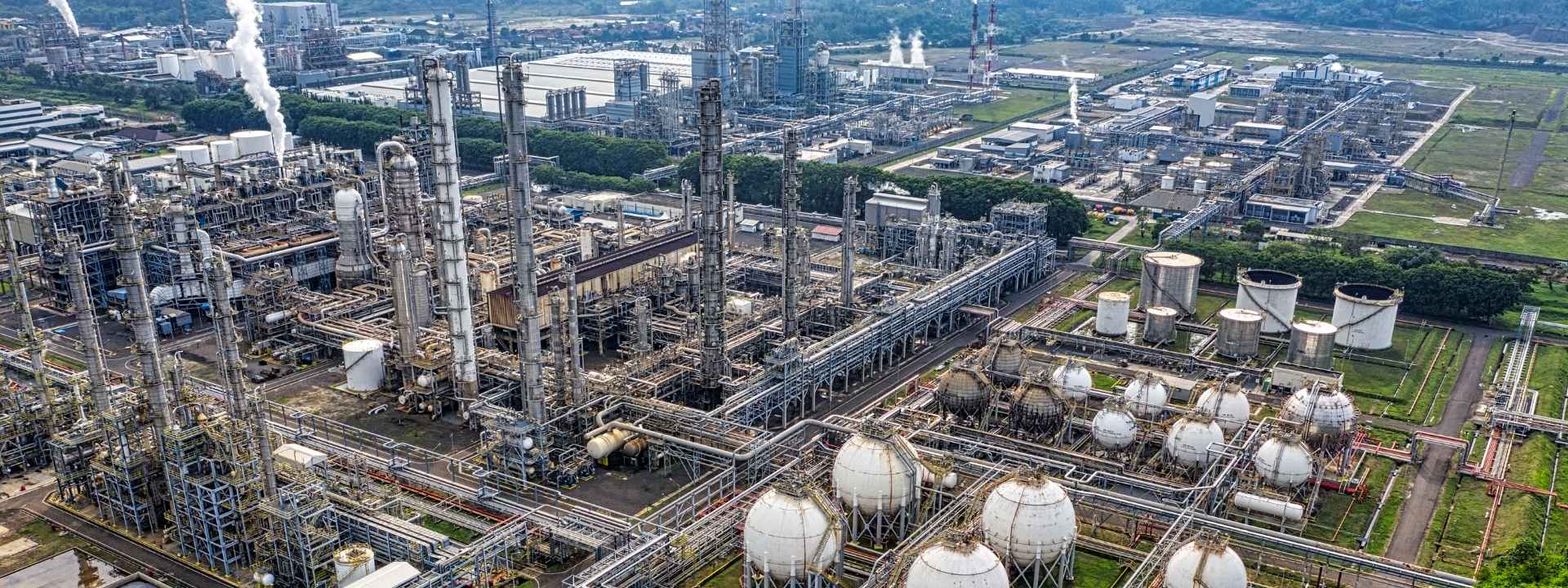



Waterproofing in industrial facilities is a critical factor in both construction and operation, especially in Vietnam, where the rate of water infiltration in buildings is alarmingly high.
According to a survey conducted by the Faculty of Civil Engineering at Ho Chi Minh City University of Technology, up to 84.35% of buildings in Ho Chi Minh City experience leakage issues, significantly higher than in the United States (60%) and Singapore (53%) [1].
In response to this situation, KTG Industrial introduces a range of effective waterproofing solutions for industrial buildings, helping businesses mitigate unnecessary risks.
Key areas in industrial buildings that require waterproofing attention
Within an industrial facility, not all areas are exposed to water and moisture to the same extent. However, even a single point of water infiltration can lead to widespread consequences that disrupt the entire production system.
Identifying and addressing waterproofing issues at the right location and at the right time is essential to ensure stable operations and extend the building’s lifespan.
Below are the critical areas that businesses should pay close attention to:
Metal and concrete roofs
These surfaces are directly exposed to weather and thermal radiation. Metal roofing is prone to rust at connection points, while concrete roofs often develop small cracks that allow water to seep in. If left untreated, moisture can gradually degrade insulation layers and damage equipment located below.
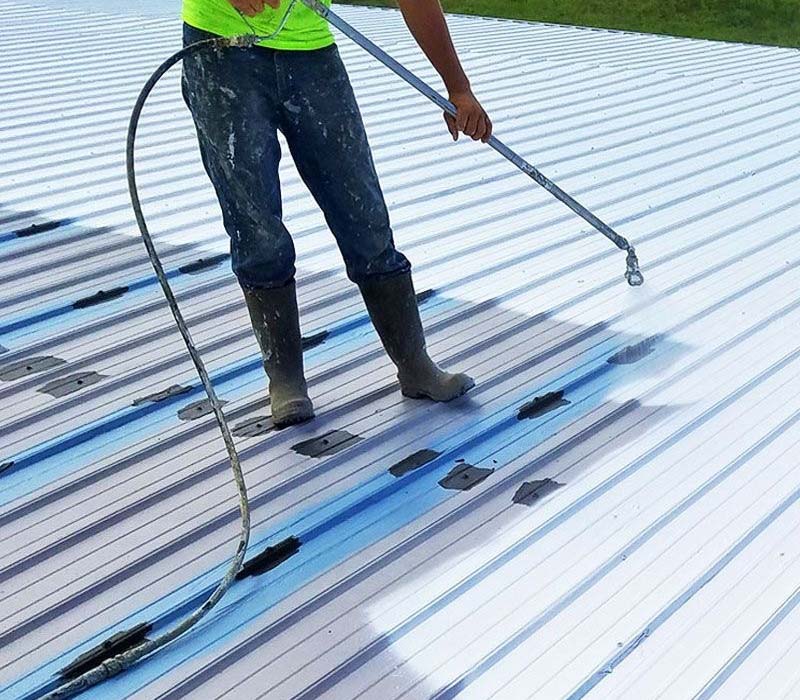
Roofing is the most weather-exposed surface, making it highly vulnerable to water penetration
Factory floors and foundations
These areas are frequently exposed to groundwater or soil moisture. Without proper waterproofing techniques, water can rise from below, causing blistering or cracking of the surface layer. A compromised foundation also threatens the overall structural stability of the building.
Basements and walls
Basements and perimeter walls are typically in direct contact with soil and groundwater. Without correct waterproofing, moisture can infiltrate through capillary action in the walls or concrete joints, leading to mold growth, steel corrosion, and deterioration of indoor air quality.
Wall corners and baseboards
These joints between the floor and walls tend to trap moisture and are often overlooked during waterproofing. Over time, untreated areas may result in peeling paint, persistent dampness, and mold, compromising both the visual integrity and the internal environment of the facility.
Causes of water infiltration in industrial facilities
Weather and environmental factors
Industrial facilities are constantly exposed to direct sunlight, rain, and high humidity levels. Metal roofing, in particular, is prone to electrochemical corrosion over time, especially at fasteners and joints, leading to rust formation and water leakage.
Additionally, if roof panels are installed with insufficient slope or poor drainage design, water can accumulate and overflow back into the interior, increasing the risk of long-term infiltration.

Heavy rainfall and flooding are also significant contributors to water infiltration in industrial buildings
Improper construction techniques
One of the most common causes of leakage is failure to follow proper construction procedures. Structural components such as walls, roofs, or floors that are not built to standard are more susceptible to external forces and weather impacts.
Poor application of primer layers, for example, can cause the topcoat to peel prematurely, reducing the protective capacity of the surface. Furthermore, even minor construction errors at the initial stage can accumulate over time, eventually leading to serious structural damage during long-term operation.
Substandard waterproofing materials
Using low-quality or incompatible waterproofing materials is one of the main reasons why industrial buildings degrade quickly.
In production environments, the frequent presence of chemicals, steam, and mechanical stress can deteriorate walls, floors, and roofs if not protected with effective barriers.
When the waterproofing layers fail to meet required standards, water gradually infiltrates and accumulates, leading to prolonged and difficult-to-resolve leaks.
Common waterproofing methods for industrial buildings
Torch-on membrane waterproofing
This method uses bitumen-based membranes reinforced with polymers, applied either through heat (torch-on) or adhesive (self-adhesive).
These membranes form a seamless protective layer that effectively blocks water from penetrating structural surfaces such as concrete roofs, terraces, basements, or retaining walls.
Bitumen membranes are known for their durability, UV resistance, and suitability in harsh weather conditions that require high-performance solutions.
Application of specialized waterproofing paint
Waterproofing paint is a straightforward solution commonly used on walls, roofs, or flat surfaces. It adheres well and forms a film that prevents water from seeping through the surface.
In areas showing signs of peeling or cracks, the existing layer is scraped off, cracks are filled with epoxy putty, and a specialized waterproof coating is applied to enhance protection. This method is suitable for both new waterproofing and light repair work.

Waterproofing paint is one of the most commonly used solutions
Integral waterproofing using concrete admixtures
This method addresses waterproofing from the outset during the concrete pouring phase for floors, foundations, or walls. Waterproofing admixtures are directly blended into the mortar or concrete mix, enhancing the material’s water resistance from within its structure.
The main advantage of this approach is the formation of a dense, durable composition that reduces shrinkage-related cracking and extends the overall lifespan of the building. Commonly used products include Sika Latex and silicate-based admixture lines.
Multi-layer waterproofing system
In many cases, a single waterproofing layer is not sufficient to protect industrial buildings from the complex impacts of environmental conditions and chemical exposure.
Therefore, combining multiple layers, such as a primer coat, composite topcoat, waterproofing membrane, and finishing layer, is considered a more effective solution.
This multi-layer system enhances overall durability, offering superior resistance and adaptability across various operating conditions.
It is particularly well-suited for areas with stringent technical requirements, including metal roofs, underground storage, or production floors frequently exposed to chemicals.
Proper waterproofing procedures for industrial facilities
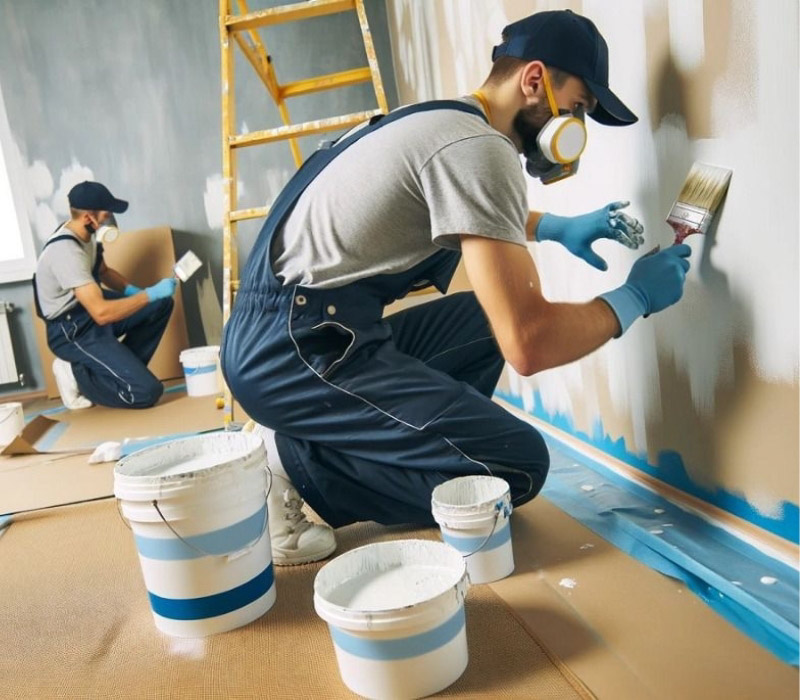
Follow technical standards to achieve optimal waterproofing performance
To ensure long-term effectiveness and safe operations, the waterproofing process for industrial facilities must strictly follow a step-by-step approach.
The first step involves a thorough site assessment to accurately identify leakage areas, evaluate the extent of damage, and determine the root causes.
Based on this evaluation, the contractor selects appropriate waterproofing materials and solutions tailored to each structural element, roof, floor, wall, or foundation.
The application must be executed by technical specifications, including the required number of layers, proper thickness, and sufficient drying time between coats.
Finally, the facility should undergo periodic inspection and maintenance to detect early signs of deterioration and maintain consistent waterproofing performance over time.
Conclusion
Effective waterproofing is essential not only to protect the structural integrity of an industrial facility but also to maintain a safe, stable production environment while reducing long-term operational costs. Selecting the right application method and a reputable contractor directly impacts the durability and performance of the waterproofing system.
Businesses should make timely and informed investments to avoid unnecessary risks in the future. This is a foundational step toward building a resilient, sustainable facility that supports long-term growth.
References
[1] Uyen Thu (2023). Thuc trang tham dot tai cac cong trinh dan dung tai Viet Nam. Tap chi Kien truc. Retrieved June 28, 2025, from https://www.tapchikientruc.com.vn/chuyen-muc/thuc-trang-tham-dot-tai-cac-cong-trinh-dan-dung-tai-viet-nam.html