

In industrial production environments, the accumulation of dust and waste not only impacts productivity but also poses potential risks to worker health. Industrial cleaning tools are essential “weapons” that enable businesses to maintain cleanliness, ensure safety, and comply with environmental standards. In this article, KTG Industrial provides insights into effective types of cleaning equipment and how to choose the right solutions to optimize costs for modern factory operations.
Current state of factory hygiene
Although industrial cleaning plays a crucial role in ensuring a safe and efficient production environment, many factories in Vietnam still lack proper hygiene practices. The absence of standardized procedures, appropriate equipment, and trained personnel remains a common issue across the sector.
This situation not only affects product quality but also poses significant risks to worker health and occupational safety. Below are some of the key shortcomings many businesses are currently facing:
Severely polluted production environments
In many factories, the buildup of industrial dust, oil, and chemical residues has become a persistent challenge. These contaminants accumulate over time, directly impacting worker health and degrading air quality.
Additionally, they can corrode machinery and equipment surfaces. If not addressed promptly, such pollution can spread, potentially disrupting production operations and leading to costly downtime.
Manual cleaning and lack of consistency
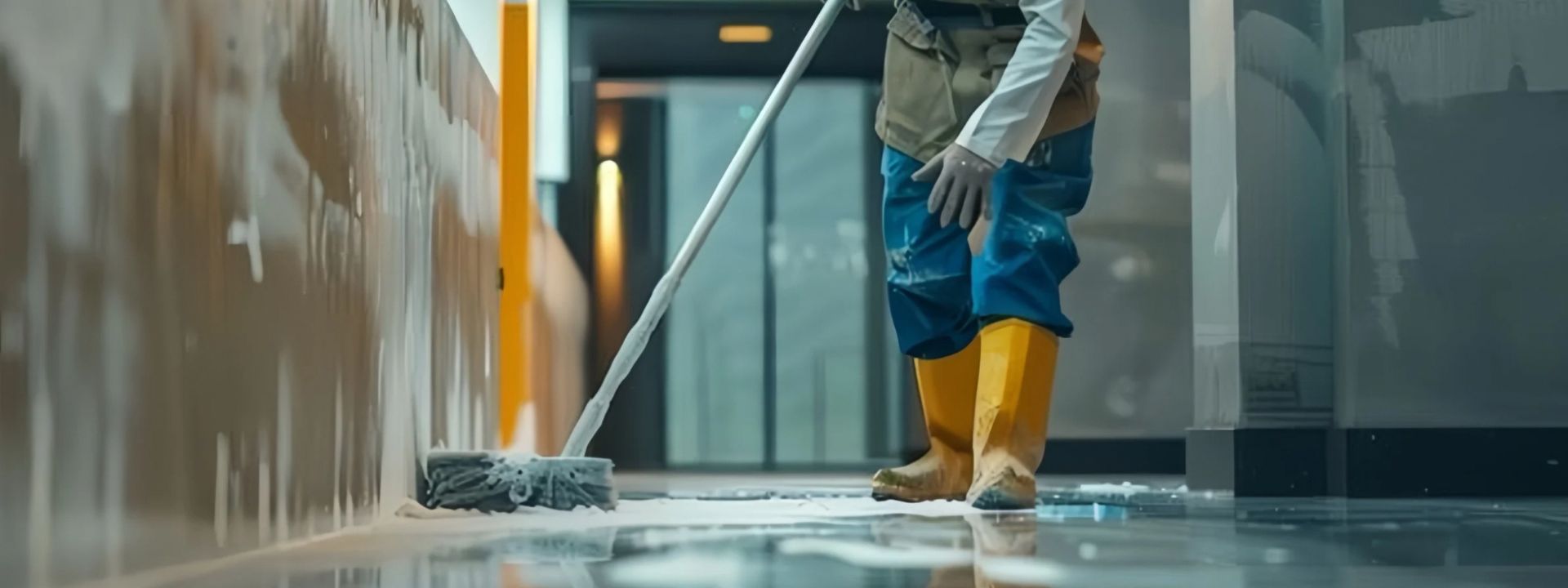
Traditional cleaning methods consume time and labor
Many businesses still rely on conventional cleaning methods such as using brooms, cloths, or plain water. These approaches are not only inefficient but also tend to miss hard-to-reach areas like machine crevices and high ceilings.
Moreover, the absence of a standardized cleaning process leads to fragmented, time-consuming efforts. This significantly increases the risk of workplace accidents and hygiene violations.
Lack of specialized tools and cleaning agents
Using rudimentary tools and inappropriate chemicals is still common in many factories. This results in poor cleaning performance and may even damage equipment surfaces or pose health risks to workers.
Harsh cleaning agents, when used improperly, can cause corrosion, respiratory issues, or even fire hazards. Therefore, investing in proper industrial cleaning equipment and suitable chemicals is essential.
Neglecting dust-prone areas
Areas such as ceilings, lighting systems, exhaust fans, or spaces behind machinery are often overlooked during cleaning. Yet, these are the places where dust and bacteria tend to accumulate over time.
Failure to thoroughly clean these zones compromises air quality and equipment performance, and over time, may shorten the lifespan of machinery and systems.
Lack of scheduled cleaning plans
Instead of following a fixed maintenance schedule, many factories only clean in response to incidents or prior to inspections. This reactive approach allows dust, grease, and contaminants to build up, making them harder to remove later.
As a result, bacteria and mold may thrive, creating unpleasant odors and degrading both the working environment and the company’s image over time.
Untrained personnel
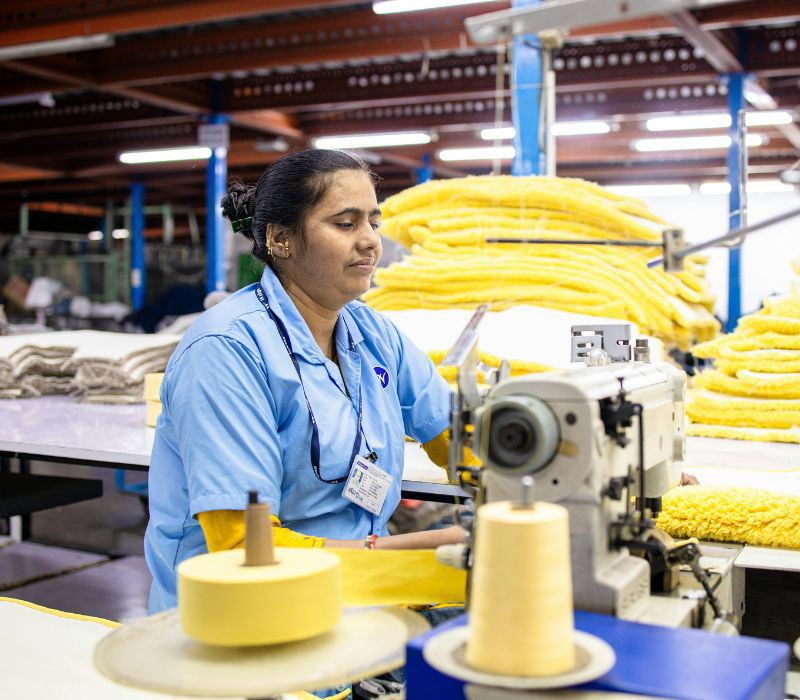
Staff must be properly trained to ensure safety and hygiene standards
Most cleaning personnel in industrial facilities are not equipped with adequate knowledge of industrial cleaning practices. They may misuse equipment or chemicals, or carry out procedures incorrectly.
These shortcomings not only reduce cleaning effectiveness but also increase the risk of workplace accidents. Professional training is a critical factor in improving both the efficiency and safety of factory cleaning operations.
The role of industrial cleaning equipment in factory operations
In a manufacturing environment, industrial cleaning tools are more than just cleaning devices, they are a critical component in ensuring stable and efficient operational processes. Investing in the right equipment enables businesses to meet stringent standards such as 5S, ISO 9001, or HACCP, especially in industries where hygiene and safety are strictly regulated.
Moreover, using appropriate cleaning equipment helps protect machinery from damage caused by the buildup of dust, grease, and other contaminants. This slows down wear and tear, reduces maintenance frequency, and extends equipment lifespan. A consistently clean facility also supports smoother production flow, minimizing unexpected disruptions.
Maintaining a clean and safe work environment provides tangible benefits for employees as well. It helps reduce workplace accidents and enhances the sense of security among staff. This not only improves labor productivity but also reinforces the company’s image as a professional, responsible partner in the eyes of clients and stakeholders.
Classifying industrial cleaning equipment based on practical needs
Floor cleaning
Factory floors cover large surface areas and are frequently exposed to dust, industrial stains, and debris. Suitable equipment includes floor scrubbers, industrial sweepers, and specialized mops.
When selecting equipment, businesses should consider the total floor area and floor material (such as concrete, ceramic tile, or epoxy) to choose machines with appropriate scrubbing pressure that won’t damage the surface.
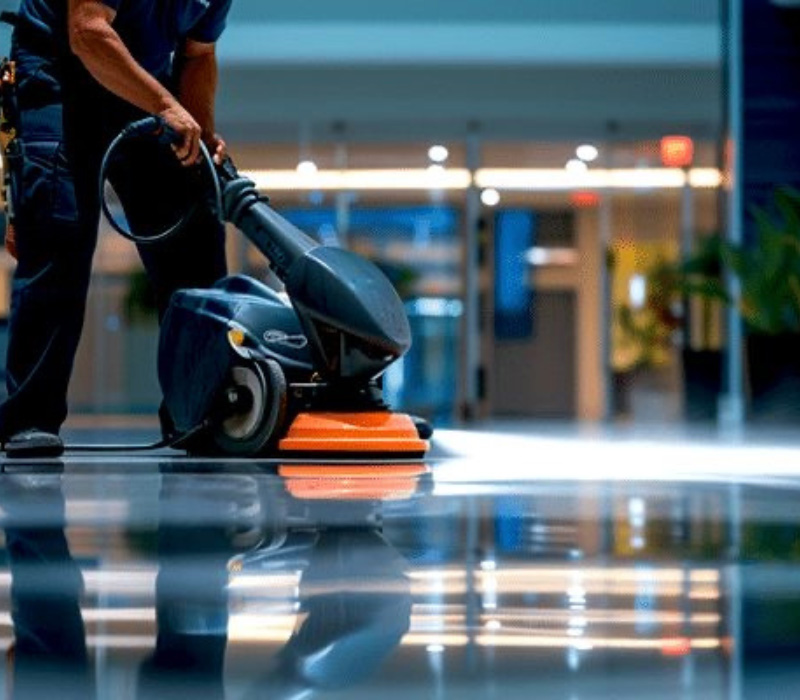
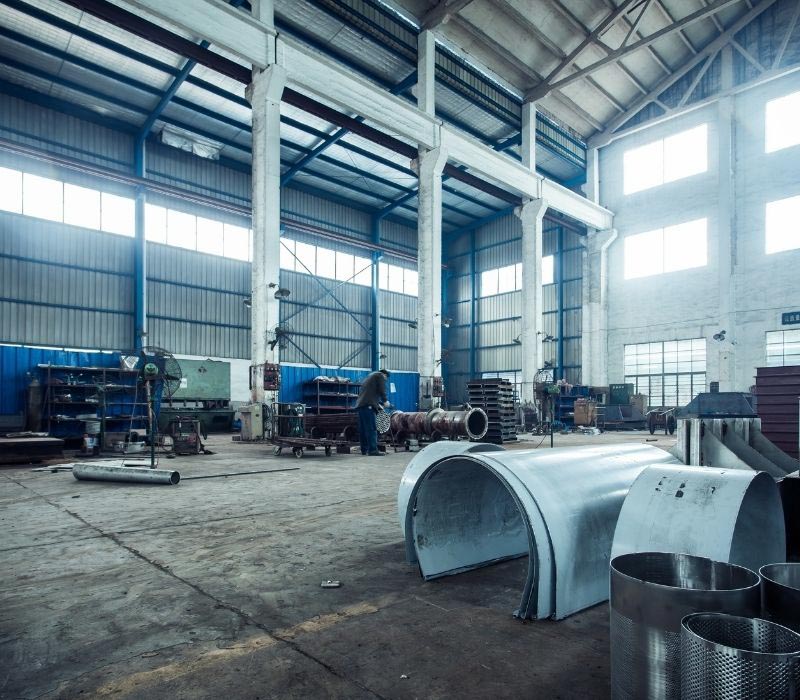
Floor surfaces in industrial factories are highly prone to dust accumulation
Cleaning machinery and equipment
Factory machines tend to accumulate fine dust, grease, and material residues during operation. To clean effectively without damaging sensitive components, businesses should use industrial vacuum cleaners, soft cloths, and specialized cleaning chemicals.
It is critical to select products that are safe for metal, plastic, or electrical surfaces to prevent corrosion or short circuits.
High-level and hard-to-reach cleaning
Ceilings, lighting systems, piping, and ventilation fans are common dust traps but are challenging to clean. For effective results, businesses should use aerial work platforms, long-handled brooms, or high-pressure washers.
When cleaning at heights, worker safety must be the top priority, along with ensuring quick and efficient operations.
Waste collection and segregation
Factories generate various types of waste, from material scraps and packaging to hazardous waste like chemicals. As such, it is essential to equip the facility with cleaning carts, labeled waste bins, and industrial-grade trash bags.
Beyond convenience, businesses must implement clear waste classification systems to comply with environmental protection and occupational safety regulations.
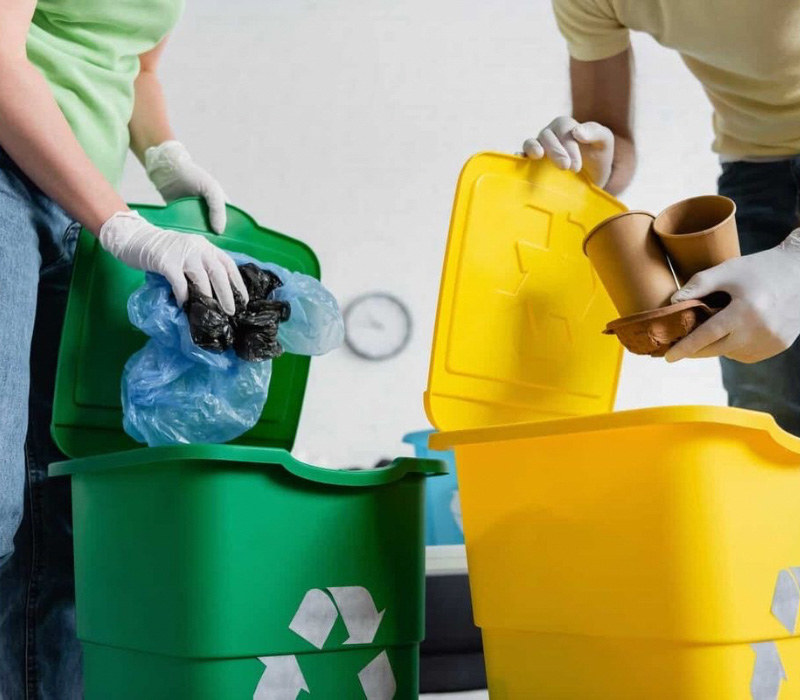
Equipping clearly labeled bins also supports environmental sustainability
Common mistakes when selecting industrial cleaning equipment
Investing in the wrong cleaning equipment not only reduces cleaning effectiveness but also wastes budgets and disrupts production operations. Below are some common mistakes businesses often encounter:
- Choosing the wrong equipment for facility size and operational needs: Many businesses purchase machines that are either too small or too large compared to their workshop size and contamination levels. This leads to poor cleaning efficiency or underutilized equipment capacity.
- Neglecting maintenance requirements: Cleaning equipment, especially machines requires regular maintenance to maintain performance. Overlooking this can result in breakdowns, production delays, and high repair costs.
- Failing to train staff on proper equipment use: Even with advanced equipment, untrained operators may fail to use it correctly, resulting in subpar cleaning. Improper use can also damage equipment or pose safety risks to users.
- Prioritizing short-term cost savings, leading to long-term expenses: Opting for low-cost, poor-quality machines to save on initial investments often leads to inefficiency, shorter service life, and frequent replacements. Ultimately, the total cost can exceed what would have been spent on higher-quality equipment from the start.
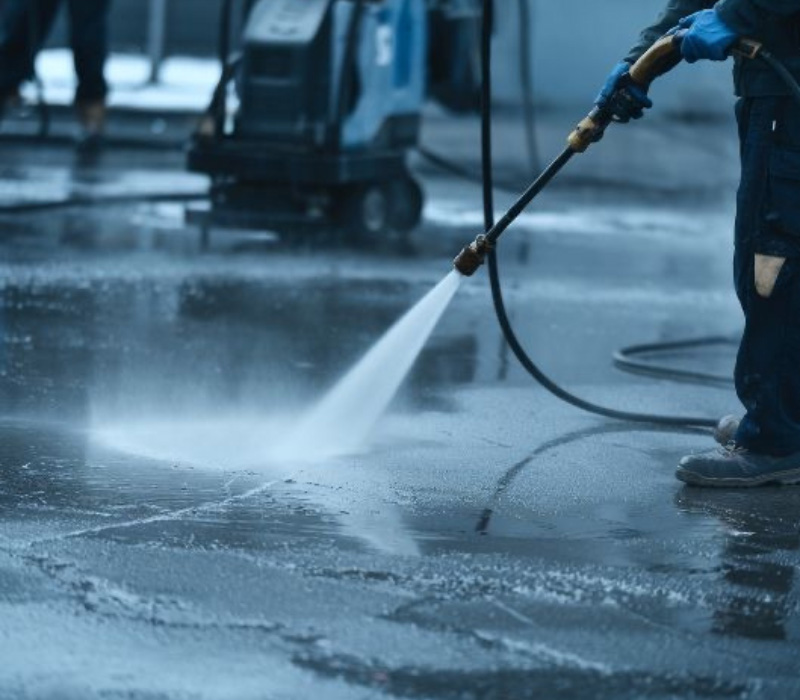
It’s critical to evaluate carefully before selecting industrial cleaning tools for factory use
Best practices for selecting industrial cleaning equipment
To maximize cleaning efficiency and optimize investment, businesses need a strategic approach to selecting cleaning equipment. The following practical tips can help streamline the purchasing process and ensure better outcomes:
- Prioritize reputable brands with strong after-sales service: Choose equipment from established manufacturers to ensure quality, durability, and performance. Clear warranty and maintenance policies provide peace of mind for long-term use.
- Evaluate durability, power, and continuous operation capacity: Cleaning equipment must operate under high frequency and in harsh environments. It’s essential to review technical specs, real-world performance, and stability before making a decision.
- Create a checklist by cleaning zone: Before purchasing, divide the facility into zones such as floors, machinery, ceilings, and waste areas. Identify the specific tools needed for each zone to avoid unnecessary purchases and reduce waste.
- Consult peers with proven experience: Don’t hesitate to seek insights from companies in similar industries that have successfully implemented cleaning solutions. Real-world feedback can guide you to the most suitable equipment for your specific operating conditions.
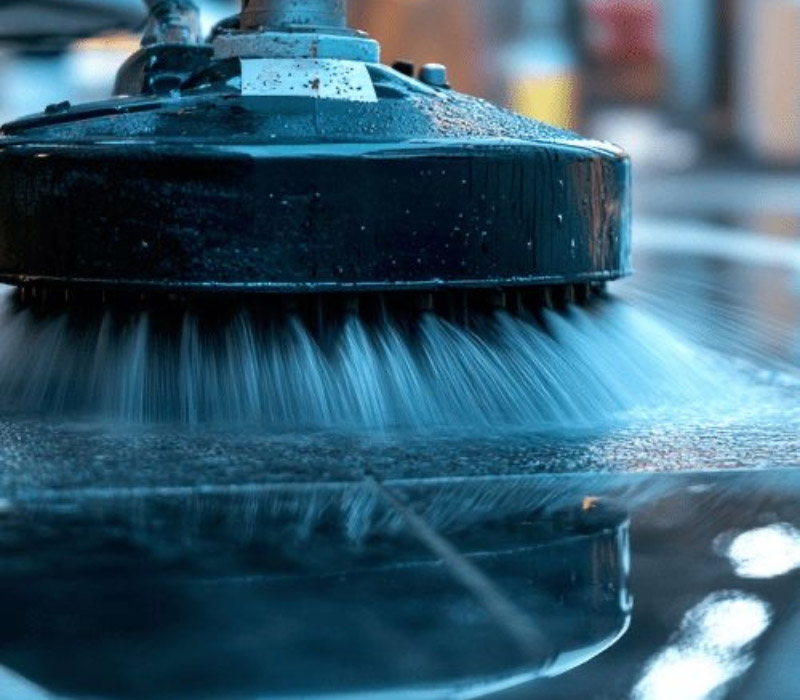
Choosing the right cleaning equipment optimizes cleaning performance, reduces costs, and ensures safe operations in industrial facilities
Solution
To maintain a clean, safe, and standards-compliant production environment, businesses must implement a holistic strategy encompassing processes, equipment, and personnel. Key actions include:
- Establish a detailed cleaning protocol: Develop clear procedures segmented by area and production type to ensure thorough cleaning and prevent oversights.
- Invest in specialized equipment and cleaning agents: Equip facilities with appropriate machines, tools, and chemicals tailored to different surfaces and contamination levels. This improves cleaning efficiency and saves time.
- Provide regular staff training: Conduct structured training on cleaning techniques, proper equipment handling, chemical usage, and compliance with occupational safety standards for the cleaning team.
- Implement a scheduled cleaning plan: Create daily, weekly, or monthly cleaning schedules based on each zone to keep the facility consistently clean, well-ventilated, and production-ready.
- Conduct regular monitoring and evaluation: Continuously inspect and assess cleaning effectiveness to make timely adjustments in procedures, equipment, or personnel as needed.
Conclusion
Industrial cleaning tools are not just auxiliary supplies, they are essential to maintaining a safe, hygienic, and efficient production environment. Strategic investment in the right equipment and operational processes enables businesses to boost productivity, protect worker health, and extend the lifespan of machinery. Depending on operational needs, companies can either purchase equipment or outsource professional cleaning services to optimize cost and resource allocation.