


As FDI inflows into Vietnam continue to grow steadily, the demand for factory leases from foreign enterprises is also on the rise.
However, the regulations governing factory and office leasing for FDI enterprises in Vietnam are far from straightforward, requiring strict compliance with legal conditions and procedures.
This article by KTG Industrial provides a comprehensive overview of the applicable regulations to help businesses mitigate risks and optimize operational efficiency when planning to lease industrial space.
Can FDI enterprises lease factories and office premises in Vietnam?
Foreign-invested enterprises (FDI enterprises) are fully permitted to lease factories and office premises for their operations in Vietnam, provided they comply with applicable laws and regulations.
The right to lease land and use premises is clearly defined in legal documents such as the 2024 Land Law and the 2020 Investment Law.
Accordingly, FDI enterprises are prohibited from owning land in Vietnam but are legally entitled to lease land or land-attached factory buildings for investment purposes.
Specifically, land leases can be secured directly from the State, either via annual rental payments or a one-time lump sum payment.
Alternatively, FDI enterprises may sublease land from organizations or individuals operating within industrial zones, provided the latter were originally allocated land by the State on a fee-paying basis.
In industrial zones, FDI enterprises are also allowed to sublease land from entities or individuals who have been granted or leased land by the State.
If leasing a ready-built factory, the enterprise must ensure that the use of the premises aligns strictly with the intended purpose as stated in their investment registration certificate or other approved legal investment documents.

A clear understanding and strict compliance with these regulations will enable FDI enterprises to operate legally and avoid potential legal risks
Requirements for FDI enterprises to lease factories and office premises
Requirements for the lessor
The lessor must be the lawful owner of the factory or office premises and must possess complete legal documentation confirming the right to use and lease the property—such as a land use right certificate, construction ownership certificate, or a long-term land lease contract.
Additionally, the leased property must not be subject to any disputes, must comply with local zoning and environmental regulations, and must meet occupational safety standards.
Depending on the enterprise type and local legal requirements, the facility may also be required to have a construction permit, as-built acceptance documents, and structural inspection records.
These serve as the legal basis for the FDI enterprise to obtain relevant permits such as the investment registration certificate or construction permit.
Requirements for FDI enterprises
To lease land or factory space in an industrial zone, an FDI enterprise must meet the following conditions:
Investment Registration Certificate (IRC): Issued by a competent authority in Vietnam, the IRC must clearly specify the business sectors and purposes that align with the leasing of industrial premises.
Sectors such as manufacturing, processing, logistics, and technology must be explicitly listed in the investment documentation.
Financial capacity: The FDI enterprise must demonstrate its ability to fulfill all contractual obligations, including timely rental payments and related operational expenses.
This is a mandatory requirement to ensure stable operations and reduce risks for both parties in the leasing transaction.
Legal regulations for leasing factories and office premises to FDI enterprises
Regulations on land use rights
Under the 2024 Land Law, FDI enterprises are not permitted to own land in Vietnam and may only access land through lawful lease arrangements.
Leasing must be based on the legitimate land use rights of the lessor and must strictly align with the approved land-use purpose and zoning plans sanctioned by competent authorities.
FDI enterprises are allowed to lease land and infrastructure within industrial parks, export processing zones, high-tech zones, and economic zones, where land use is clearly planned and infrastructure is tailored to support business and industrial activities.
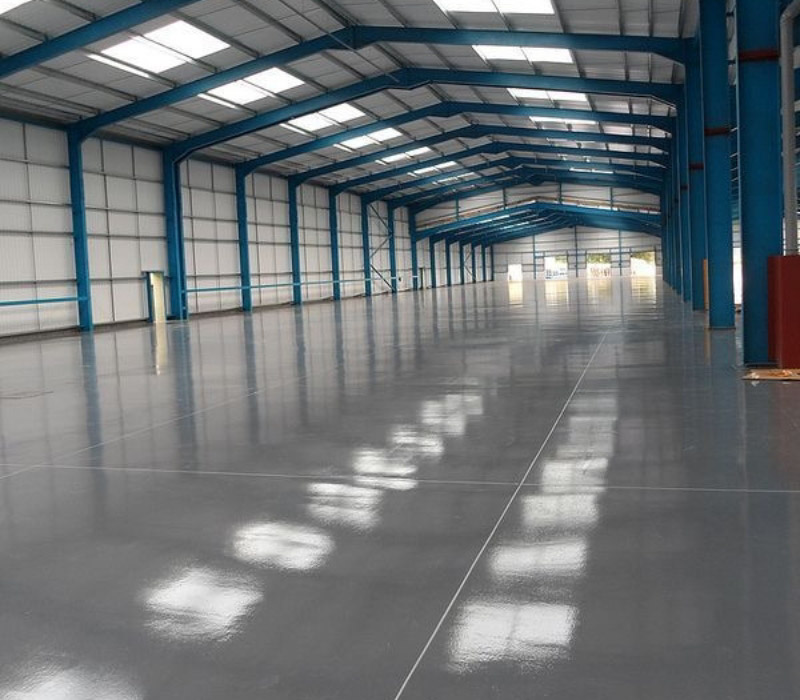
FDI enterprises should note the lease term when renting
Regulations on lease duration
According to Article 44 of the 2020 Investment Law, the lease term for factories or land used in FDI projects depends on the location and nature of the project.
For projects located within economic zones, the maximum permitted operational period is 70 years.
For projects located outside of economic zones, the typical lease term is limited to 50 years.
However, in certain exceptional cases, such as projects situated in areas with difficult or exceptionally difficult socio-economic conditions, or projects with large capital requirements and slow capital recovery, the lease term may be considered for extension.
Even in such cases, it must not exceed 70 years, in strict accordance with legal regulations.
Regulations on lease purpose and business scope
FDI enterprises may lease factory or office space only for the purposes approved in their Investment Registration Certificate. These may include manufacturing, processing, research and development (R&D), logistics, or executive office functions.
Leased properties may not be used beyond the approved business scope or for unauthorized purposes, particularly in sectors not listed as eligible for foreign investment in Vietnam.
Violating these conditions may result in penalties, termination of the lease agreement, or revocation of the investment license.
Financial obligations when leasing factories or office premises to FDI enterprises
When entering into a lease agreement for factory or office space, the FDI enterprise is responsible for making full and timely rental payments as agreed in the signed contract.
The payment schedule can be flexible, monthly, quarterly, or annually, depending on the terms of the contract and mutual agreement between the parties.
In addition to rent, the enterprise may also be subject to other financial obligations such as registration fees, infrastructure usage fees (if applicable), and management or operational fees in certain industrial zones.
Depending on the scale of the project and the lease term, the contract may also include requirements for a security deposit or payment guarantee to ensure financial commitments are met and to minimize the risk of breach during the lease period.

Financial clarity is essential in business
Factory and office lease agreements: Key considerations
Essential contract provisions
A lease agreement must clearly define the lease term, rental rate, payment method, and payment schedule (monthly, quarterly, or annually). It must also include provisions for maintenance and repair costs, clearly specifying the responsible party for each.
The rights and obligations of both the lessor and the lessee must be detailed to ensure a balanced agreement and to prevent disputes.
Termination clauses
The contract should specify clear conditions for early termination, such as failure to meet payment obligations, misuse of the premises, or illegal operations.
In force majeure situations, such as natural disasters, war, or regulatory changes, the agreement should establish a flexible mechanism to manage the impact.
The agreement should also include clauses on dispute resolution and liability for damages to ensure legal clarity in the event of conflict.
Legal due diligence before signing
Before entering into a lease agreement, the FDI enterprise should request that the lessor provide the land use right certificate and documents proving ownership of the facility, to ensure the leased asset is legally valid.
In addition, it is recommended to verify the legal status of the property, including whether it is under dispute, located in a restricted zoning area, or in violation of construction regulations.
From the lessor’s perspective, it is reasonable to request the FDI enterprise to provide investment-related documents, such as the Investment Registration Certificate, business license detailing permitted activities, and the latest financial statements, to assess the tenant’s capacity to fulfill contractual obligations.
This mutual verification process not only promotes transparency but is also a critical step in reducing potential future risks.

Conducting legal due diligence before signing helps minimize future risks
KTG Industrial – Trusted factory and office space provider for FDI enterprises in Vietnam
As regulations on leasing factories and office premises for FDI enterprises in Vietnam become increasingly clear and stringent, selecting a reliable infrastructure partner is more important than ever.
KTG Industrial stands out as a leading provider of high-quality industrial facilities, offering flexible models ranging from warehouses and ready-built factories to customized build-to-suit solutions, suitable for a wide range of industries and investment scales.
Beyond simply offering industrial space, KTG Industrial emphasizes sustainable development. Its factories are designed to FEED standards and integrate solar energy systems, helping tenants reduce both operational costs and carbon emissions.
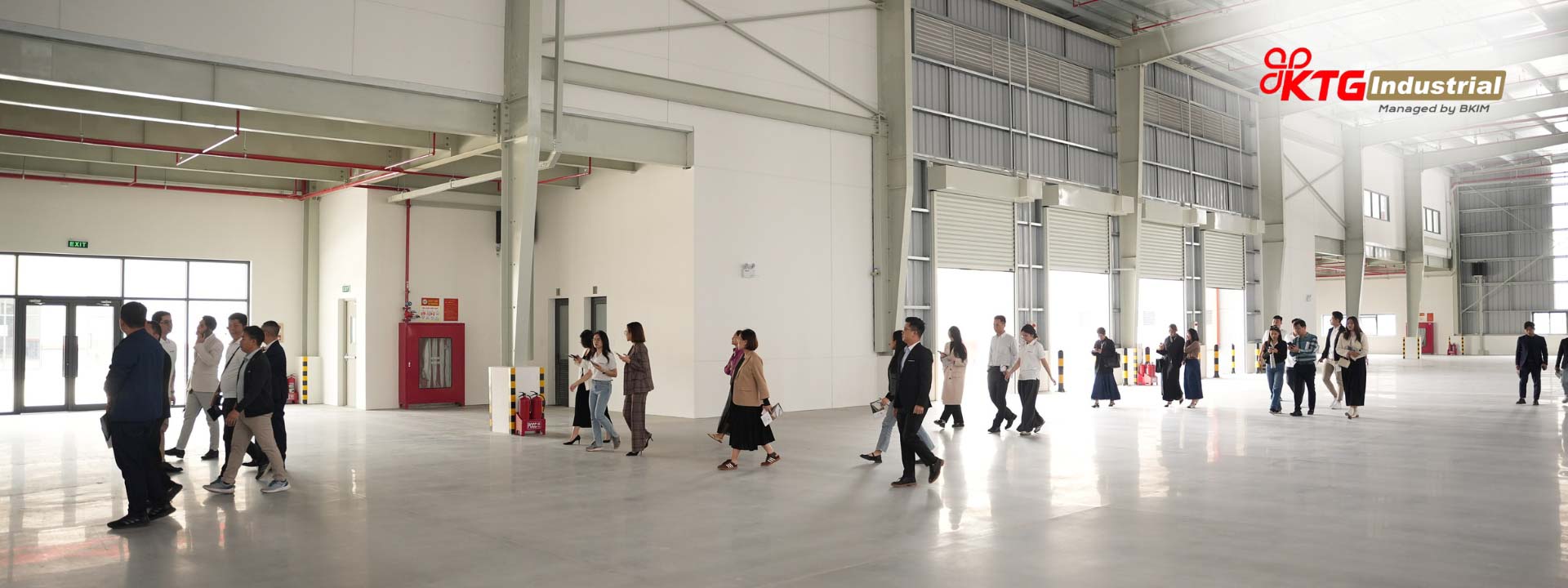
KTG Industrial’s facilities are equipped with synchronized infrastructure, including 10-meter clear heights, floor loading capacity of 2 tons/m², compliant fire protection systems, integrated office space, and stable power supply, ensuring a safe and efficient production environment.
In addition, KTG Industrial provides end-to-end support for legal procedures, technical consulting, and coordination with local authorities, an invaluable advantage in a regulatory environment where FDI enterprises must adhere to strict compliance when leasing industrial space in Vietnam.
With a proven track record of partnerships with both domestic and international corporations, KTG Industrial delivers modern, compliant, and sustainable warehousing and factory solutions tailored to the needs of global investors.
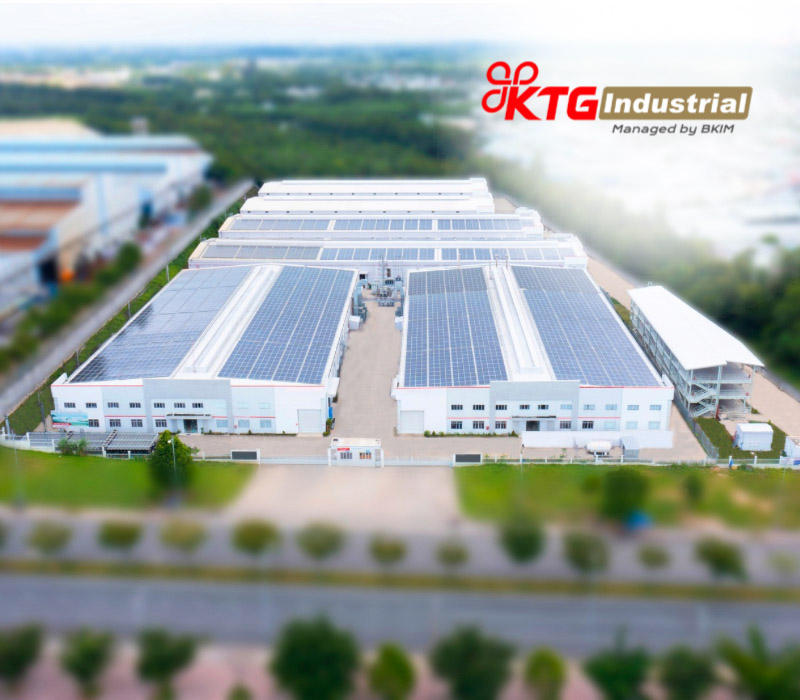
KTG Industrial – A trusted name in industrial leasing in Vietnam
Conclusion
A thorough and accurate understanding of the regulations governing the lease of factories and office premises for FDI enterprises in Vietnam is not only a legal requirement but also a crucial foundation for protecting the long-term interests of both lessees and lessors.
Rather than navigating these processes independently, businesses are strongly advised to consult legal experts for detailed guidance and support, helping avoid unnecessary risks.
When lease agreements are clearly drafted, documentation is complete, and contract terms are carefully managed, investment activities can proceed with far greater stability and efficiency.