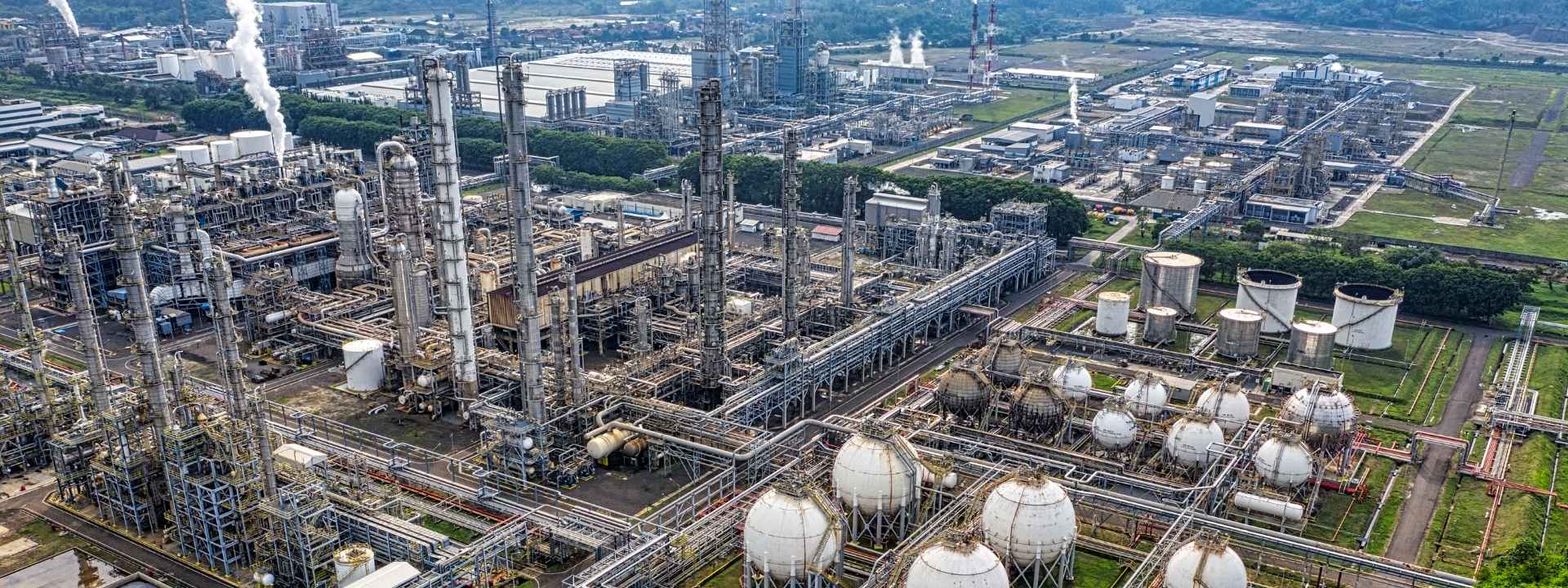



Green warehouses and factories are becoming an increasingly important trend in industrial real estate as sustainable development requirements continue to gain prominence.
In this context, understanding Decision 1110/QD-BCT and the key considerations for leasing green warehouses and factories in 2026 can help businesses select facilities that support their long term development strategies.
In this article, KTG Industrial highlights the key information and important considerations businesses should evaluate before making a leasing decision.
Decision 1110/QD-BCT and the green transition for businesses
On May 12, 2026, the Ministry of Industry and Trade issued Decision 1110/QD-BCT to implement the Government’s Resolution No. 67/NQ-CP and the National Assembly’s Resolution No. 247/2025/QH15 on improving the effectiveness and efficiency of environmental protection policies and legislation [1].
The implementation plan clearly defines priority tasks to be carried out in 2026 and outlines the roadmap for the 2026 to 2030 period, while assigning specific responsibilities to the relevant agencies.
For manufacturing businesses, the decision emphasizes three key priorities [1]:
- Promoting the development of environmental industries, cleaner production, the circular economy, and the green transition through waste recycling, waste reuse, and the adoption of environmental treatment technologies.
- Strengthening environmental protection and climate change response initiatives, including greenhouse gas inventories and the development of greenhouse gas emission reduction plans for each industry and sector.
- Enhancing communication and awareness of environmental protection laws to help businesses better understand and comply with relevant regulations.
In this context, factory selection has become an important consideration that businesses should address at an early stage.
Leasing older factories with infrastructure that does not meet environmental requirements or requires extensive upgrades may result in additional investment in both costs and time to improve technical systems, wastewater treatment facilities, or meeting emission reduction requirements during operations.
In contrast, factories developed with integrated infrastructure and a strong commitment to sustainable development enable businesses to implement their production plans more efficiently throughout the 2026 to 2030 period.

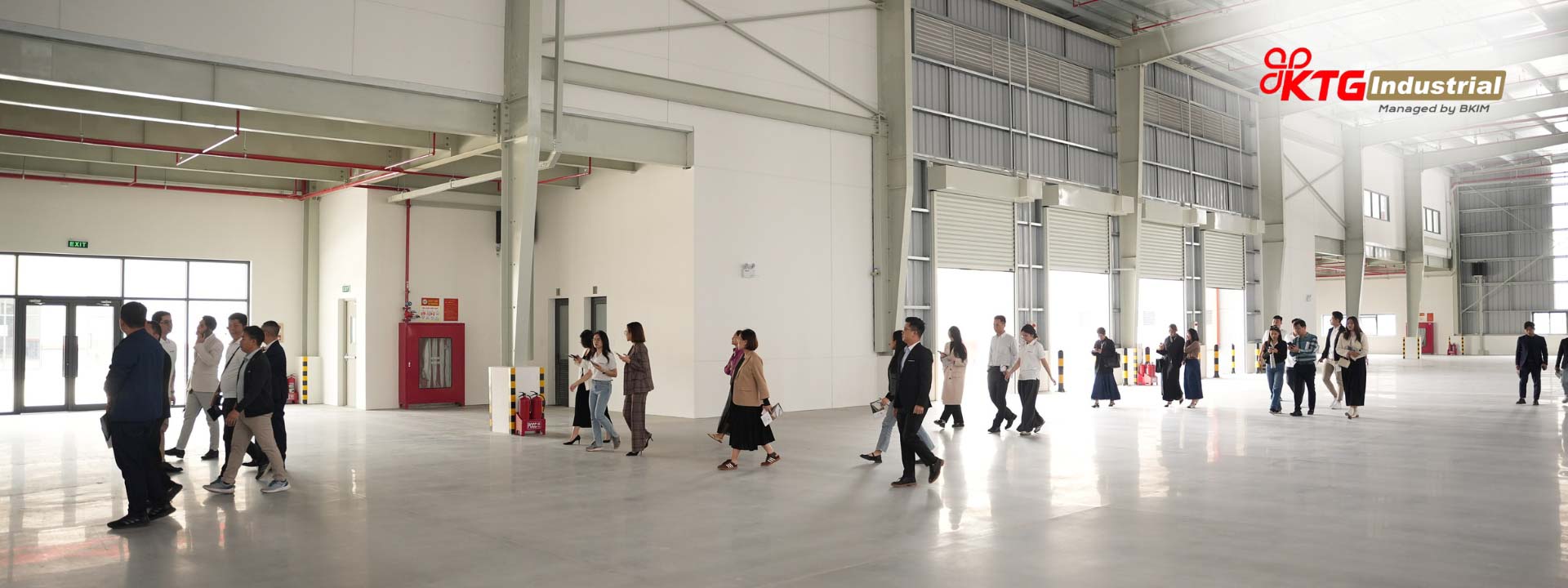
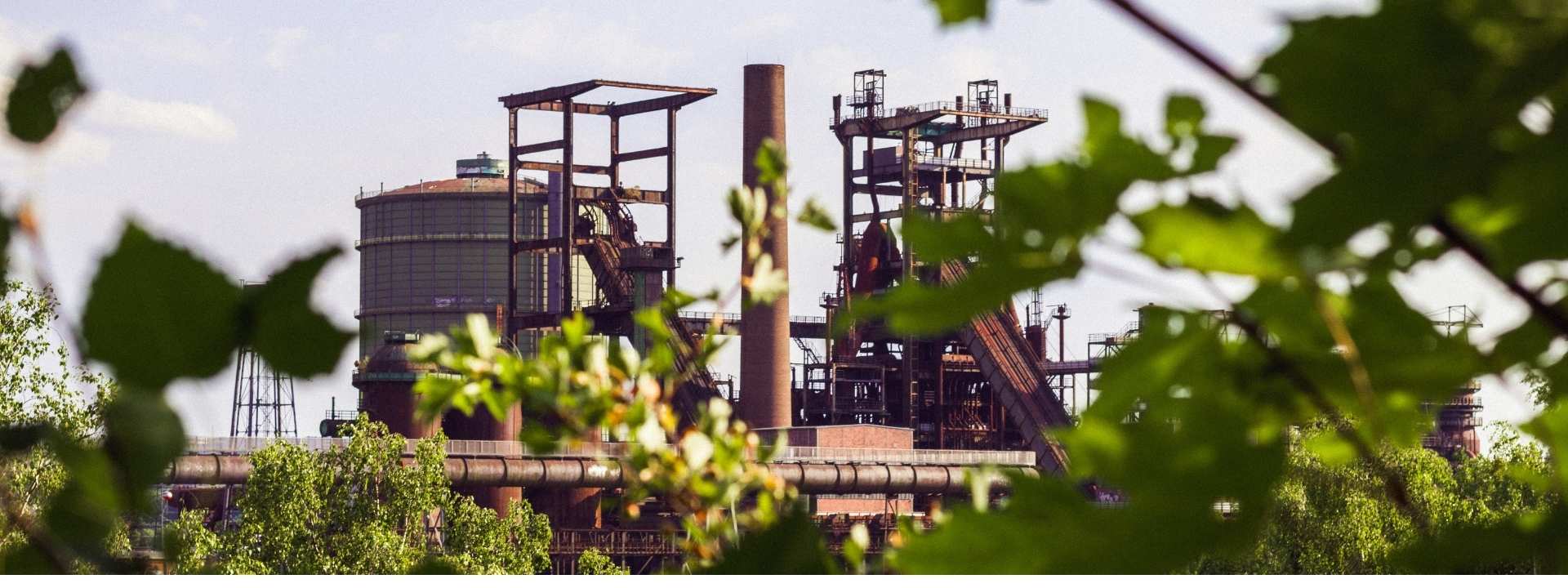
Green transition is becoming an essential requirement for manufacturing businesses
Key considerations when selecting next generation warehouses and factories
Environmental protection and sustainable development requirements are becoming increasingly important in manufacturing activities.
Therefore, when leasing warehouses and factories, businesses should carefully evaluate criteria such as infrastructure, green building features, and data management support capabilities to ensure smoother operations.
Green building certifications
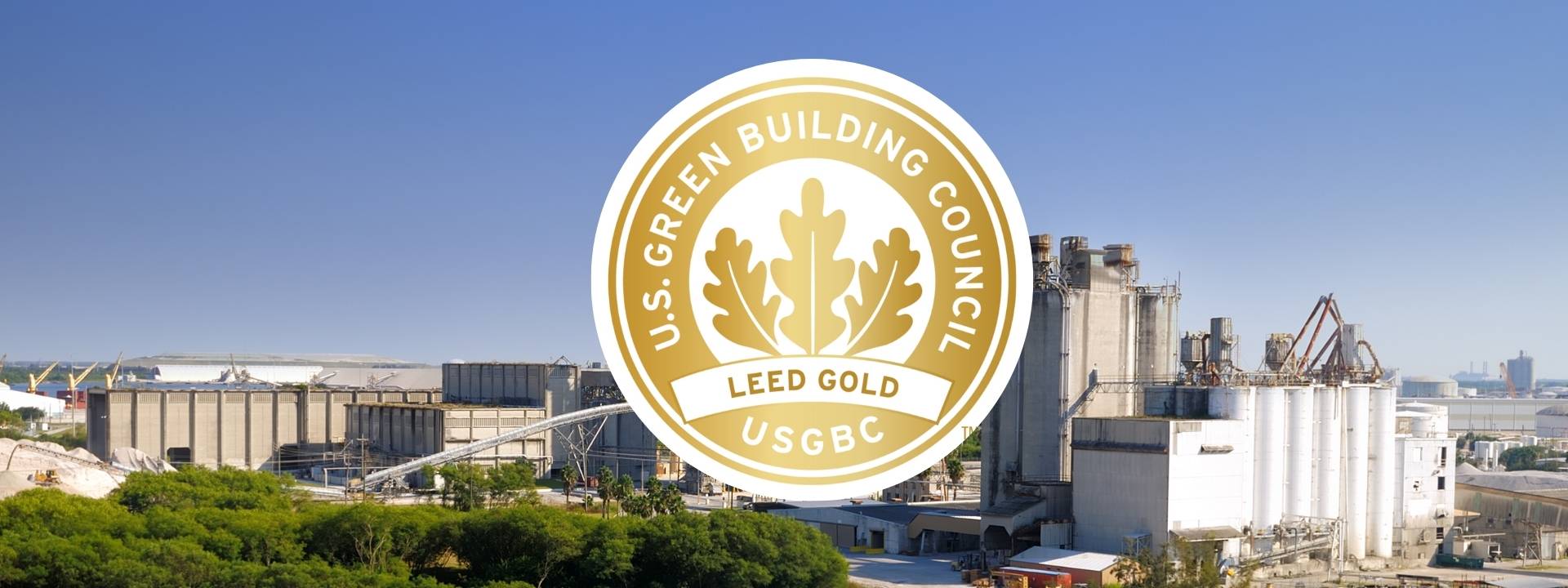
Businesses should prioritize ready-built factories (RBFs) and ready-built warehouses (RBWs) that have obtained green building certifications such as LEED, EDGE, or LOTUS.
These certifications indicate a project’s performance in energy efficiency, resource conservation, and environmental impact reduction throughout its operational lifecycle. However, businesses should verify whether a project has already received the certification or is only in the registration process.
Sustainable infrastructure and resource circularity (Environmental – E)
Technical infrastructure is a critical factor when evaluating next generation warehouse and factory projects.
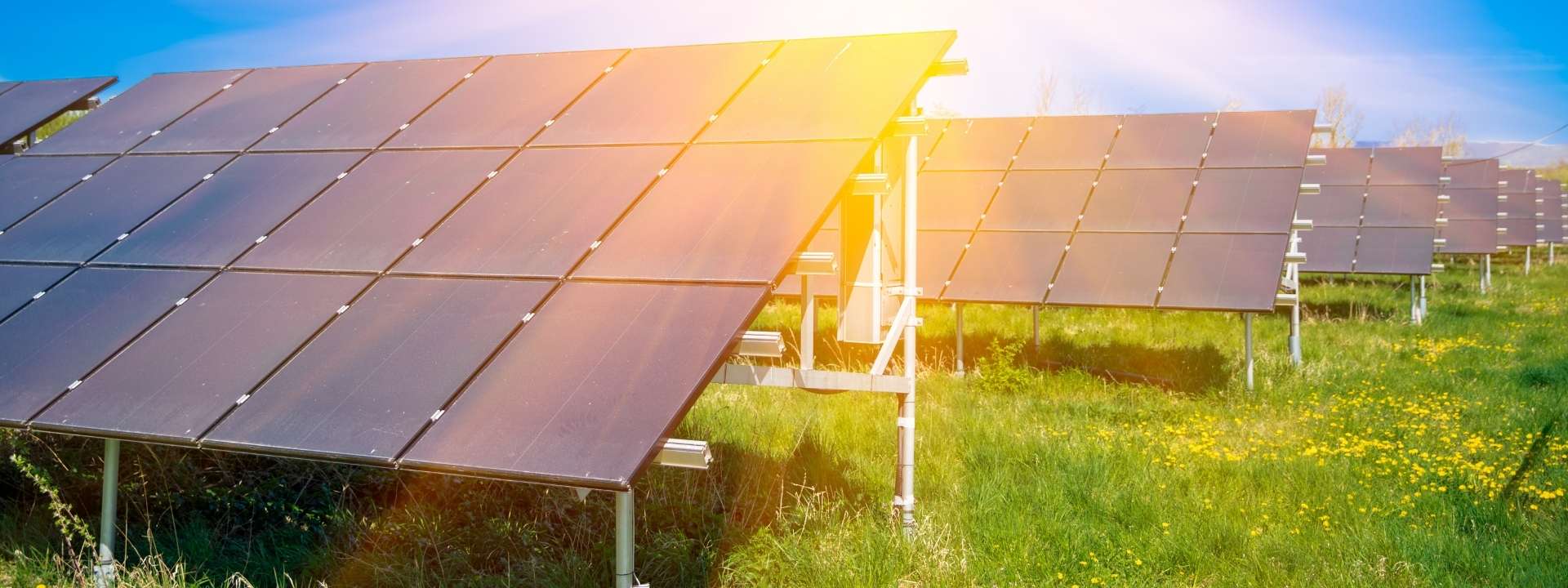
Businesses should prioritize projects equipped with rooftop solar power systems to supplement renewable energy sources, reduce reliance on grid electricity, and lower Scope 2 emissions. In addition, waste collection, segregation, and treatment systems should comply with applicable standards.
Water reuse solutions and appropriately designed green spaces also contribute to higher operational efficiency while supporting long term sustainability objectives.
A humane working environment (Social – S)
Warehouses and factories should be designed to maximize natural daylight and ventilation, improving working conditions while reducing electricity consumption for lighting and cooling.
At the same time, fire protection systems, occupational safety infrastructure, and on site amenities should be fully developed and regularly inspected to support reliable long term operations.
Data transparency and regulatory support (Governance – G)
Businesses should also prioritize developers with digital property management systems that can provide data on electricity and water consumption as well as waste generation to support monitoring and periodic reporting when required.
Special considerations for FDI enterprises
For FDI enterprises in particular, investment licensing, environmental permits, facility renovation approvals, and workforce operations can involve significant hidden costs. Businesses should prioritize developers with extensive market knowledge and proven experience that can provide value added services, including investment consulting, legal advisory, and operational support.
KTG Industrial: A green industrial infrastructure solution
KTG Industrial was established through a joint venture between Khai Toan Group (Vietnam) and Boustead Projects (Singapore), forming the strong BKIM partnership. The company develops ready-built factories and ready-built warehouses across multiple industrial parks to serve both domestic enterprises and FDI businesses with modern industrial infrastructure solutions.
As part of its commitment to sustainable development, KTG Industrial has integrated rooftop solar power systems into selected projects. This solution expands the use of renewable energy, helps businesses improve energy efficiency, and reduces carbon emissions throughout their manufacturing operations.
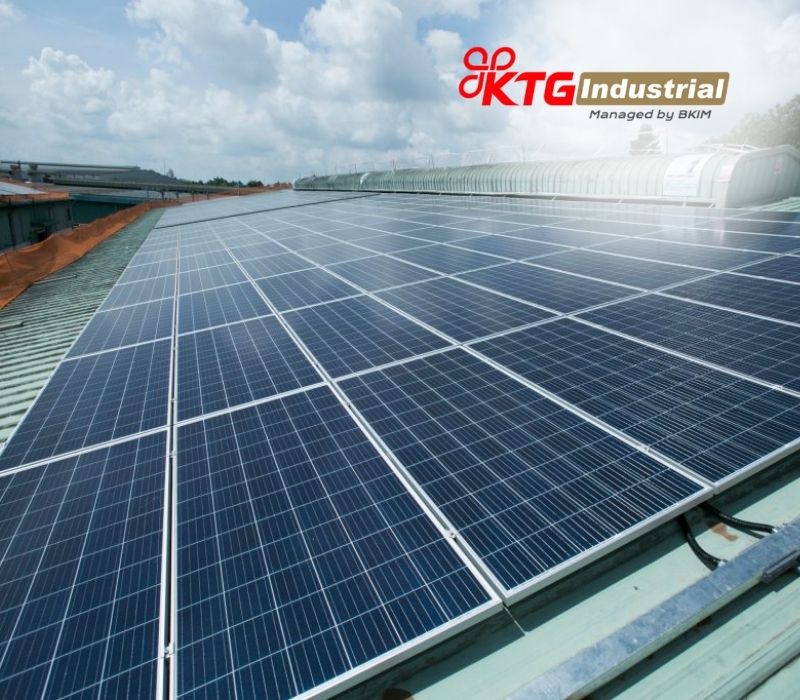
Rooftop solar power systems help optimize energy use and reduce carbon emissions
In addition, the projects are planned to maximize natural daylight, improve ventilation, and incorporate wastewater treatment systems that comply with industrial park standards. These features enable businesses to optimize resource utilization while building a more sustainable manufacturing environment.
Alongside infrastructure development, KTG Industrial is committed to delivering projects that meet green building standards. A notable example is KTG Industrial VSIP Bac Ninh II, which has achieved LEED Gold certification. This certification level represents buildings that deliver high energy efficiency, responsible resource utilization, and safe, healthy environments for occupants.
Several other projects are also being developed according to the same principles. These features can help businesses achieve their ESG objectives while meeting increasingly important sustainable development requirements.
In addition to factory and warehouse leasing services, KTG Industrial supports tenants with investment consulting, legal advisory, facility design, and renovation services tailored to their operational needs. The company also implements professional property management practices and is prepared to provide relevant operational data, enabling businesses to manage their facilities more effectively while complying with environmental regulations.
Conclusion
Decision 1110/QD-BCT demonstrates that green development and environmental protection will become increasingly integrated into manufacturing activities throughout the 2026 to 2030 period. As a result, selecting suitable warehouses and factories from the outset can help businesses operate more efficiently while minimizing the need for future infrastructure upgrades.
With its commitment to developing sustainable industrial infrastructure, KTG Industrial provides ready-built factories, ready-built warehouses, and a comprehensive range of support services to meet the needs of both domestic enterprises and FDI businesses seeking manufacturing locations aligned with their long term development goals.
References
[1] Bo Cong thuong Viet Nam (2026). Bo Cong Thuong ban hanh ke hoach thuc hien Nghi quyet so 67/NQ-CP ve nang cao hieu luc, hieu qua thuc hien chinh sach, phap luat ve bao ve moi truong.
https://moit.gov.vn/tin-tuc/bo-cong-thuong-ban-hanh-ke-hoach-thuc-hien-nghi-quyet-so-67-nq-cp-ve-nang-cao-hieu-luc-hieu-qua-thuc-hien-chinh-sach-pha.html