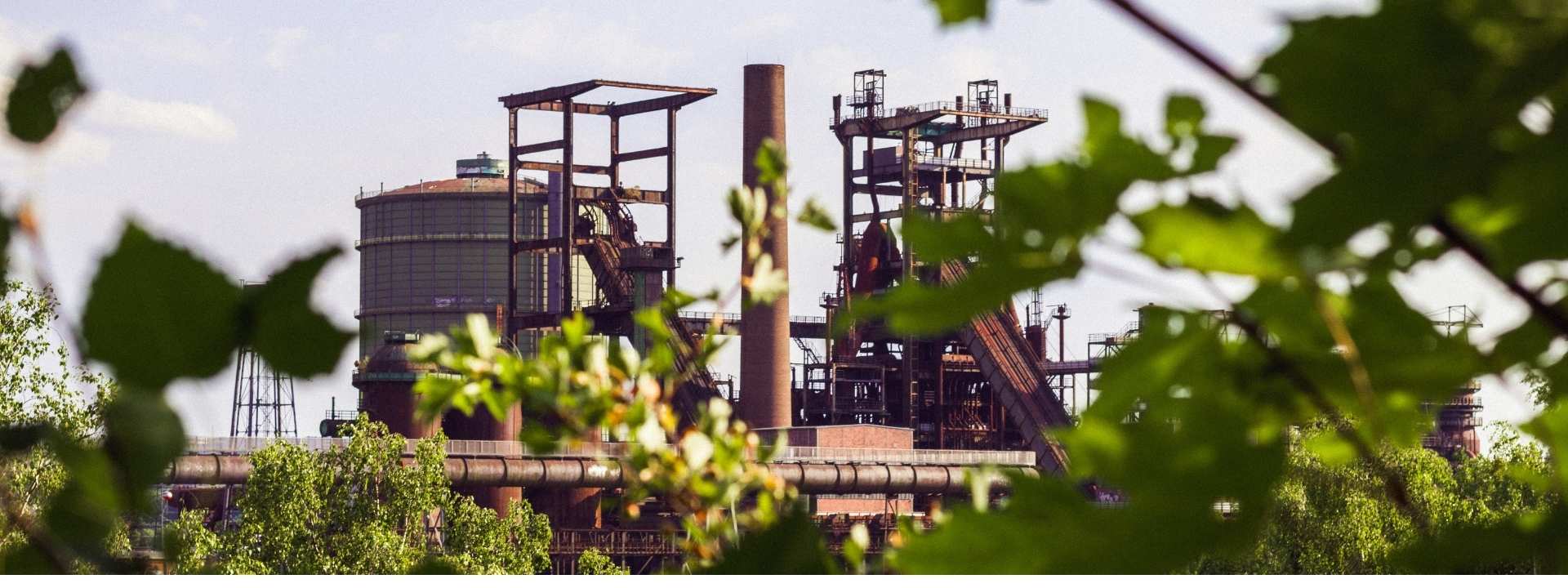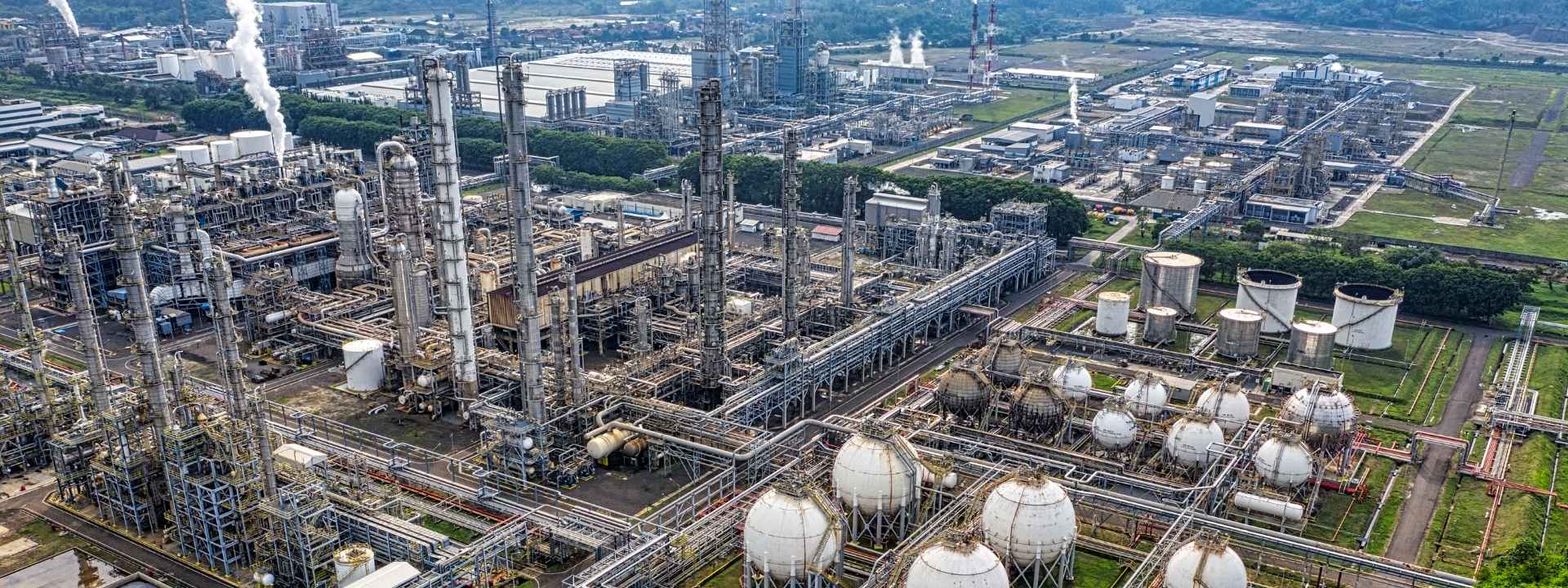



Beyond industrial zones, special economic zones (SEZs) have become a topic of interest Although still quite new in Vietnam, the positive results from these economic zones according to annual records cannot be denied. So what exactly is a special economic zone? Which areas in Vietnam are currently considered special economic zones? Let’s find out the details with KTG Industrial in the content below!
What is a special economic zone? Special economic zone (SEZ)
A Special Economic Zone (SEZ) is a specifically designated area designed to generate targeted growth for a given province or city in particular, and for the country as a whole.
It is a geographic area established by the Government with its own distinct legal, taxation, and administrative policies aimed at attracting domestic and foreign investment and promoting trade and production.
Within an SEZ, enterprises have all the necessary conditions to operate production facilities and distribute products to both domestic and international consumers – including road infrastructure, electricity systems, waste treatment systems, and more. In addition, businesses operating within an SEZ benefit from a range of special policies and incentives that help accelerate revenue growth.

Special economic zones are the foundation for outstanding economic development for a country
Overview of the situation of special economic zones in Vietnam
From a legal standpoint, Vietnam currently has no official regulations or dedicated legal framework for the “Special Economic Zone” (SEZ) model.
However, the SEZ model remains a long-term strategic direction. According to the latest national development orientations, Vietnam aims to establish 3 special economic zones and 5 free trade zones by 2030 (per Appendix 1 of Conclusion 18-KL/TW).
These zones will be planned at strategic coastal locations (area exceeding 500 km², population exceeding 50,000, linked to a Class I seaport or international airport) in order to create breakthrough economic growth poles [1].
At present, foreign direct investment (FDI) flows and manufacturing and supply activities in Vietnam are effectively managed through a network of approximately 478 Industrial Zones (IZs), 26 Border-Gate Economic Zones, 20 Coastal Economic Zones (CEZs), and several Hi-Tech Parks (HTPs) [2].

Vietnam has sufficient human resources, infrastructure quality, and natural conditions to attract FDI.
Representative economic zones by Region
Economic zones in the North: Dinh Vu – Cat Hai (Hai Phong)
Dinh Vu – Cat Hai is a multi-sector coastal economic zone and an important logistics and industrial hub in the North. The core competitive advantage of this CEZ lies in the presence of Lach Huyen International Deep-Water Port, which accommodates large-tonnage vessels [3].
In the 2021–2025 period, enterprises in this economic zone contributed over VND 63,450 billion to the state budget, accounting for more than 80% of total industrial production value and export turnover of the entire city of Hai Phong. Notable anchor projects here include LG Group (South Korea) with total capital exceeding USD 10.5 billion; Pegatron Group (Taiwan) with nearly USD 1 billion; and the VinFast complex [3].
Economic zones in the Central region: Chu Lai & Nhon Hoi
Chu Lai Open Economic Zone (Quang Nam): Chu Lai Open Economic Zone in Quang Nam is one of the key growth drivers of the Central region. It has attracted 237 investment projects with total registered capital of approximately VND 93,500 billion (equivalent to USD 3.69 billion), and is expected to become an important growth pole for Quang Nam province and the Central Key Economic Region (directly connected to Da Nang) [4].
Nhon Hoi Economic Zone (Binh Dinh): Oriented toward development as a comprehensive economic zone following a green growth model, Nhon Hoi focuses on industry, logistics, seaports, and renewable energy as its key drivers. Transportation infrastructure here is being rapidly completed, with the North–South Expressway network and Quy Nhon Port [5].
Key cluster in the South: The industrial zone “hub” network
In the South, despite the absence of large-scale coastal economic zones comparable to the Central and Northern regions, FDI inflows are most strongly absorbed through a dense and modern network of Industrial Zones (IZs).
Prominent examples include the industrial “capitals” of Binh Duong (with VSIP and Bau Bang IZs) and Dong Nai (Nhon Trach, Amata, and Loc An – Binh Son IZs). The region’s absolute advantage lies in its direct connectivity to the Cai Mep – Thi Vai deep-water port cluster and Long Thanh International Airport.
A closed-loop ancillary supply chain is already established here, making it an ideal location for FDI enterprises in electronics, textiles, and mechanical manufacturing that need ready-built factories to commence production quickly [6].
Why do foreign investors choose Vietnam’s economic zones and industrial zones?
Rather than applying a pure SEZ model, the Vietnamese Government has implemented a legal framework and investment incentive policies within Economic Zones (CEZs) and Industrial Zones (IZs) under Decree 35/2022/ND-CP. These policies focus on three main groups of benefits: reducing tax burdens, supporting land and infrastructure costs, and shortening the time to commence operations.
Maximum tax cost reduction
Tax Incentive Table for Economic Zones (CEZs)
| Applicable Entities (New Investment Projects in Economic Zones) | Preferential Tax Rate | Duration |
| Located in tax-incentive areas, including:
(1) Areas with especially difficult socio-economic conditions. (2) Areas with difficult socio-economic conditions. (Excluding areas specified in Item 55, Appendix III of Decree 31/2021/ND-CP, as amended by Decree 239/2025/ND-CP.) Note: Applies also where more than 50% of the project area falls within the above tax-incentive areas. |
10% | 15 years |
| Not located in the above tax-incentive areas.
Note: Applies also where more than 50% of the project area falls outside tax-incentive areas. |
17% | 10 years |
Tax Incentive Table for Industrial Zones (IZs)
| Entity / Investment Sector | CIT Rate | Duration of Preferential Rate | Tax Exemption/Reduction | Notes / Conditions |
| Standard enterprises | 20% (standard rate) | Not applicable | Standard regulations apply | Applies to most enterprises within IZs |
| Projects in prioritized sectors | 10% or 17% | 15 years (10% rate) / 10 years (17% rate) | 100% exemption: first 2–4 years; 50% reduction: following 4–9 years | Depends on specific industry/sector of operation |
| Hi-tech, R&D, supporting industries | Preferential rates per regulations | Varies by project | Additional tax exemption/reduction policies apply | Additional sector-specific incentive mechanisms |
Ready infrastructure & Land cost support
Unlike investment outside IZs, these zones provide ready-built technical infrastructure – electricity, water, wastewater treatment, internal transportation, and cleared land – significantly saving time on site clearance and site preparation.
Depending on location and investment sector, enterprises may be eligible for exemption or reduction of land rental fees in accordance with land law regulations. Local authorities are also permitted to decide on investing in or supporting technical infrastructure and social infrastructure inside and outside the IZ fence to serve zone operations, based on budgetary capacity and project urgency.
Speed to operations (one-stop, on-site mechanism)
FDI investors do not need to work with multiple separate government departments. All administrative procedures – from investment licensing, land matters, construction, and environmental permits to labor – are handled with support from the IZ/CEZ Management Board through a “one-stop, on-site” mechanism, reducing waiting time to get facilities up and running.
Optimizing labor costs & ESG Standards
New-generation IZs – especially eco-industrial parks and green-certified IZs meeting international standards – are increasingly integrating clean energy infrastructure and environmental management systems. This allows enterprises to shorten their ESG transition roadmap without having to build infrastructure from scratch.
This is a direct competitive advantage as global brands increasingly tighten ESG requirements across their supply chains.

Vietnam always creates the most favorable conditions for all businesses to invest
Site selection guide for FDI enterprises
When choosing a factory location, FDI enterprises need to carefully consider several important criteria to ensure long-term operational efficiency. Key factors include:
Distance to seaports/airports: optimizes logistics costs and shortens cargo transit time.
Availability of ancillary supply chains: ensures raw materials and support services are always readily available, reducing the risk of production disruptions.
Cost and quality of local labor: a decisive factor in productivity, labor costs, and the ability to maintain a stable workforce.
To address these challenges, KTG Industrial offers a comprehensive solution through a system of ready-built factories and eco-standard warehouses aligned with ESG principles – a choice that helps enterprises shorten deployment time, reduce upfront investment costs, and meet environmental and sustainable development standards.
References
[1] Thanh Chung (2026). De xuat thanh lap khu kinh te dac biet thuoc tinh, thanh pho. TUOI TRE Online. https://tuoitre.vn/de-xuat-thanh-lap-khu-kinh-te-dac-biet-thuoc-tinh-thanh-pho-100260714092423687.htm
[2] Tap chi Kinh te – Tai chinh Online. (2025, November 16). https://tapchikinhtetaichinh.vn/ca-nuoc-co-478-khu-cong-nghiep-da-di-vao-hoat-dong-voi-ty-le-lap-day-cao-102742.html
[3] Nam, Q. N. T. T. V. (2025, October 11). Hai Phong: Mo rong khong gian phat trien Khu kinh te Dinh Vu – Cat Hai, tong quy mo 22.540 ha. Thoi Bao Tai Chinh Viet Nam. https://thoibaotaichinhvietnam.vn/hai-phong-mo-rong-khong-gian-phat-trien-khu-kinh-te-dinh-vu-cat-hai-tong-quy-mo-22540-ha-184860.html
[4] Van, N. A. (2026). Khu kinh te mo Chu Lai: Dong luc tang truong moi cua Da Nang. VnEconomy. https://vneconomy.vn/khu-kinh-te-mo-chu-lai-dong-luc-tang-truong-moi-cua-da-nang.htm
[5] Hoang Bach. (2026). Nam 2050, nhu cau su dung dat trong khu kinh te Nhon Hoi dat gan 12.000ha. VnEconomy. https://vneconomy.vn/nam-2050-nhu-cau-su-dung-dat-trong-khu-kinh-te-nhon-hoi-dat-gan-12000ha.htm
[6] tuoitre.vn. (2026, June 9). Kich hoat sieu vung kinh te phia Nam thuc day tang truong 2 con so 2026. Bao Dien Tu Tuoi Tre. https://tuoitre.vn/nld/kich-hoat-sieu-vung-kinh-te-phia-nam-196260608215958443.htm