


In Vietnam, industrial park management regulations serve not only as an essential legal framework for both land users and infrastructure developers, but also as a reflection of the nation’s orientation toward sustainable industrial development.
In this article, KTG Industrial provides a comprehensive overview of the structure of these regulations, the management principles applied, and the responsibilities shared among key stakeholders, including infrastructure developers, secondary enterprises, and government authorities.
Overview of the role of management regulations in industrial parks
An industrial park is a deliberately planned space designed to concentrate industrial production activities, aiming to efficiently utilize land, infrastructure, and related resources.
Given the high concentration of enterprises, along with strict environmental and logistics operation requirements, industrial parks need a dedicated regulatory system to maintain order, efficiency, and legal compliance.

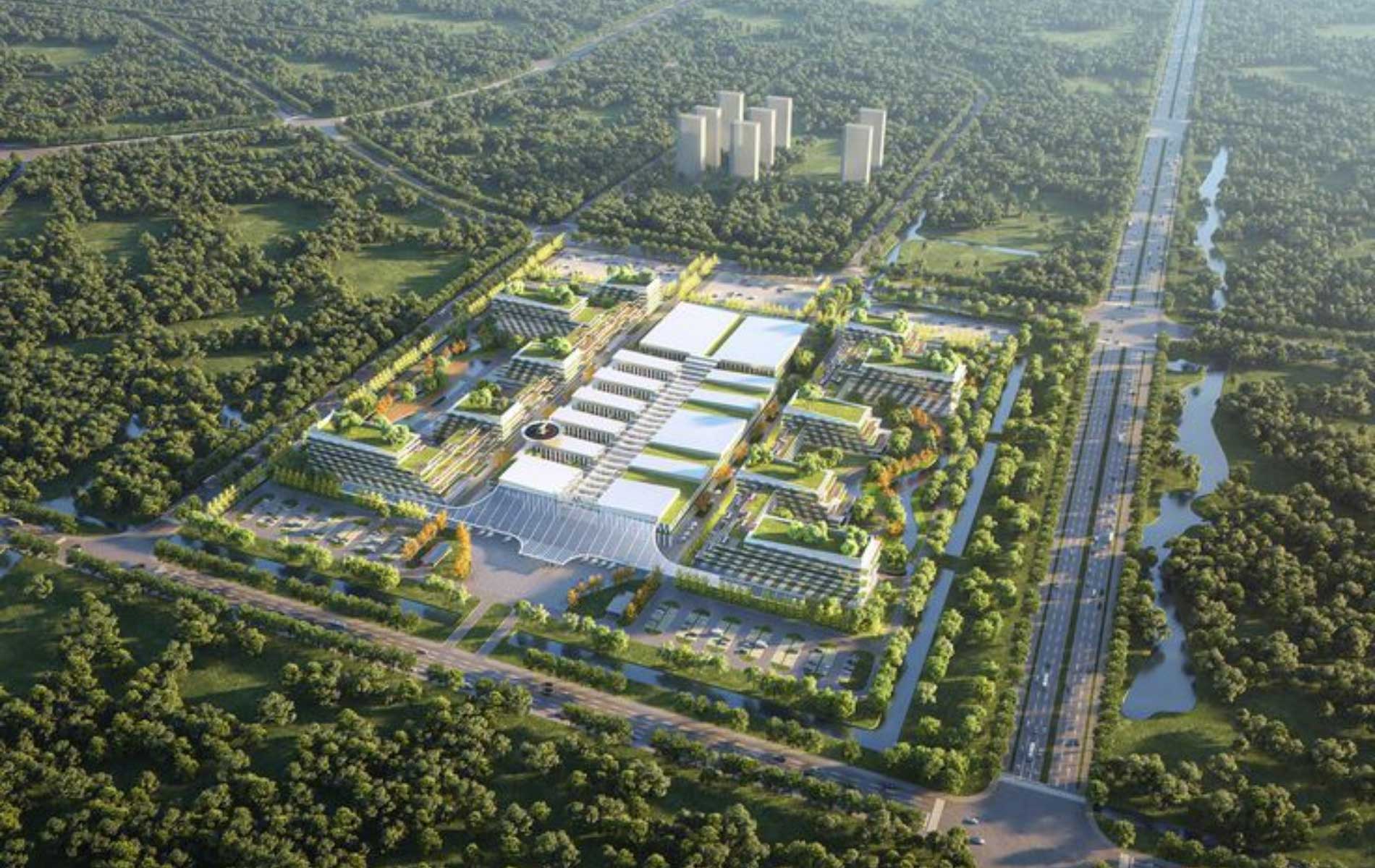
KTG Industrial Yen Phong II C industrial park
The management regulations of an industrial park serve as the legal foundation guiding coordination between infrastructure developers, land-leasing enterprises, and government authorities.
For enterprises, these regulations provide a clear framework for defining responsibilities, authorities, and procedures for handling arising issues.
For regulatory bodies, they act as a tool to monitor, manage, and promote the sustainable and consistent development of the industrial park.
Key regulatory areas governing activities in industrial parks
Corporate governance for enterprises operating in industrial parks
Enterprises investing in an industrial park must complete all required procedures, including investment registration, construction permits, and operational registration with the industrial park management board.
This process must comply with current investment and construction laws. Additionally, enterprises are responsible for submitting periodic reports on production, environmental, and labor activities according to the prescribed formats.
The industrial park management board assists in handling administrative procedures and coordinates general operational activities.
Enterprises should actively collaborate through reporting channels, regular meetings, or direct communication.
Effective coordination helps promptly resolve issues while ensuring compliance with the park’s overall operational regulations.
Financial, accounting, and foreign currency mechanisms
Enterprises must follow the current accounting regime, ensuring that financial statements are prepared on time and in full compliance with Vietnamese accounting standards.
Tax obligations, including value-added tax, corporate income tax, and contractor tax, must also be strictly observed.

Compliance with accounting standards enhances transparency and mitigates legal risks
For foreign-invested enterprises, currency conversion and capital transfers must adhere to foreign exchange regulations set by the State Bank of Vietnam.
All foreign currency transactions must be conducted through legal foreign currency accounts and used for the registered purposes. This mechanism ensures strict control of cash flows while protecting national financial interests.
Labor-related policies
Enterprises operating in industrial parks must sign labor contracts and register their workforce in accordance with the Labor Law.
Internal training or outsourced programs to enhance employee skills must also be documented and reported as required. Transparent human resource management contributes to a stable and professional working environment.
Employers are responsible for ensuring that the workplace meets standards for lighting, ventilation, noise, and industrial hygiene.
In addition, enterprises must establish occupational safety procedures and conduct regular training for employees. Compliance with these standards not only protects workers but also minimizes production risks.
Environmental protection requirements in industrial parks
Factories must install wastewater and air emission treatment systems that meet national standards before discharging into the industrial park’s shared environment.
These systems must be operated, inspected, and maintained regularly according to technical guidelines. This is a key criterion for industrial parks to meet sustainable development standards.
Before project implementation, enterprises must prepare an Environmental Impact Assessment (EIA) report and obtain approval from the competent authorities.
Once operational, businesses are required to conduct periodic environmental monitoring and submit reports on schedule.

This monitoring mechanism ensures that enterprises do not cause pollution beyond permissible limits
Coordination for security and order
The industrial park management board and enterprises are responsible for coordinating with law enforcement agencies to maintain security and order.
Regular patrols, inspections, and incident handling must follow a clear coordination mechanism. This helps prevent risks and ensures a stable production environment.
Industrial parks must issue and widely communicate internal regulations, such as access control, use of production equipment, and fire prevention rules. Enterprises are required to provide firefighting equipment and train personnel adequately. Compliance with these regulations is mandatory to ensure the safety of both people and assets.
Conflict resolution and complaints mechanisms
Disputes in industrial parks may arise regarding land lease agreements, service contracts, or the use of shared infrastructure.
Conflicts between employees and enterprises are also common. Clear classification of disputes ensures that appropriate resolution procedures are applied.
Depending on the nature of the dispute, parties may choose mediation, commercial arbitration, or filing a lawsuit in court.
The industrial park management board often acts as a mediator during the initial stages. In complex cases, competent authorities intervene to protect the legal rights of all parties involved.
Inspection, supervision, and enforcement
Competent authorities may conduct periodic or unscheduled inspections of enterprises in industrial parks to evaluate legal compliance.
Inspections must be notified in advance according to the law, except in cases of severe violations or clear signs of noncompliance. These inspections help detect and correct violations in a timely manner.
Common violations include illegal discharges, unpaid taxes, employing unauthorized labor, or breaches of occupational safety standards.
Depending on the severity, enterprises may face administrative fines, suspension of operations, or criminal liability. Strict enforcement ensures fairness and helps maintain order within the industrial park.
Defining responsibilities among stakeholders in the industrial park system
Within the industrial park system, responsibilities must be clearly defined to ensure efficient operations. Government authorities play a role in policy formulation and overseeing legal compliance.
The management board acts as the central coordinator, monitoring and supporting the implementation of regulations at each locality.
Enterprises operating within industrial parks, as the entities directly responsible for production, must strictly comply with regulations on environment, safety, labor, and fire prevention.
Close coordination with the management board not only helps enterprises minimize risks but also facilitates long-term operations.
In addition, employees must be clearly informed about internal regulations, rights, and obligations while working in the industrial park. Compliance by all stakeholders helps create a disciplined, transparent, and sustainable production environment.
KTG Industrial – A partner in industrial real estate development
As demand for production infrastructure continues to grow, the role of industrial park developers becomes increasingly important.
KTG Industrial is among the companies applying sustainable development models, focusing on integrating environmental, energy, and effective governance factors.
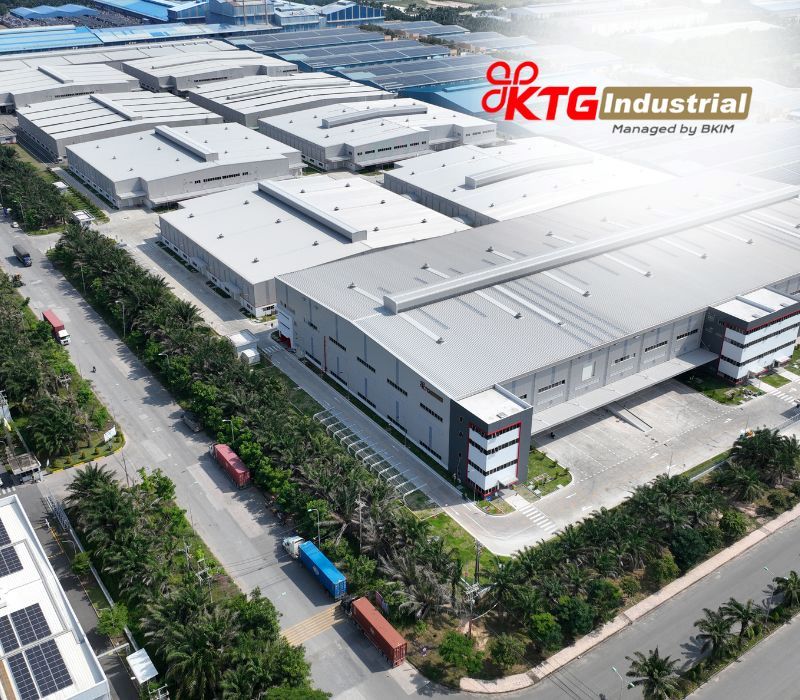
KTG Industrial Nhon Trach II
By implementing industrial parks according to international standards such as LEED and ESG, KTG Industrial not only provides ready-built warehouses and factories for lease but also supports enterprises in meeting increasingly stringent global supply chain requirements.
This serves as a foundational factor that gives investors confidence in their long-term expansion strategies in Vietnam.
Conclusion
Thorough understanding of industrial park management regulations is a prerequisite for enterprises and investors conducting production activities in Vietnam. The regulatory framework not only ensures legal compliance but also provides a foundation for efficient operation and expansion.
In the context of modern, transparent, and professional investment practices, proactively engaging with management regulations enables enterprises to develop long-term strategies that are both robust and well-aligned.