

As ESG standards are increasingly integrated into global supply chain operations, leasing green factories in Vietnam is being approached by many enterprises as a long-term solution.
When factory infrastructure is not designed efficiently, energy and operating costs can account for a significant share of total production costs throughout the project life cycle.
The article below from KTG Industrial provides a detailed analysis of how green factory models address this challenge.
What are green factories and green industrial parks?
Green factories and green industrial parks are sustainable development models designed to reduce the consumption of natural resources and energy during production, while improving operational efficiency [1].
These models aim to protect the environment, improve human health, and promote socio-economic growth.
Moreover, green factories and green industrial parks are a key factor helping Vietnam attract high-quality FDI inflows.
At the same time, they are closely linked to Sustainable Development Goal SDG 9, contributing to the promotion of industrialization, innovation, and sustainable infrastructure development.

Green factories as an inevitable trend
Decoding the cost equation: higher upfront costs, long-term benefits
One of the major challenges in implementing green factories is the perception of initial investment costs.
According to Mr. Vo Hoang Thanh from Saint-Gobain Viet Nam, many enterprises still mistakenly believe that building green factories necessarily means high upfront costs, leading to hesitation in investment decisions [2].
However, the long-term economic reality is entirely different. Enterprises leasing green factories in Vietnam can realize clear benefits from reduced operating costs, energy savings, and enhanced product value.
In addition, these models help reduce material costs and waste treatment expenses through the application of industrial symbiosis and by limiting the need to purchase raw materials.
Furthermore, products manufactured in a green environment also gain stronger export competitiveness, enhance brand value, and expand opportunities in international markets [1].
Key “green” standards to consider when leasing factories
Sustainable building materials and energy efficiency
When selecting a green factory for lease in Vietnam, enterprises should prioritize building materials that meet stringent standards to optimize operating expenses (OPEX) and protect the environment.
In particular, materials play a decisive role in the long-term performance of a project through three core factors:
- Heat reflective technology: Use cladding materials with high heat reflectance. This helps reduce indoor factory temperatures and, as a result, significantly lowers electricity demand for cooling systems.
- Emissions data transparency: Materials should meet reputable international certifications such as EPD (Environmental Product Declaration) and LCA (Life Cycle Assessment). This enables enterprises to accurately control and report their carbon footprint.
- Long-term durability: Materials should be designed with a service life of 20 to 50 years. High durability helps minimize maintenance and replacement costs while maintaining stable operational performance for the factory [2].
Water resource management and closed-loop models (circular economy)
According to Ms. Le Thi Kim Thanh from Suez, installing rooftop solar power systems alone is not sufficient for a factory to be considered truly “green.”
A more advanced approach is to view wastewater not as a cost, but as a valuable resource that can be reused.
Applying a circular economy model allows enterprises leasing green factories in Vietnam to optimize energy costs and manage water resources more effectively.
At the same time, the circular economy model is implemented through converting sludge into biogas and incinerating solid waste to generate electricity for factories, thereby reducing environmental pressure and optimizing energy costs [2].

Wastewater management enhances the efficiency of leasing green factories in Vietnam
Performance of green factories: How is it measured?
Evaluating the performance of green factories needs to be based on multiple dimensions to ensure a comprehensive assessment.
| Aspect (pillar) | Key measurement criteria | Strategic significance |
| Environment |
|
Reflects the effectiveness of green operations and legal compliance. |
| Economy |
|
Ensures financial sustainability and risk adaptability. |
| Society |
|
Ensures human-centric values and compliance with ESG standards. |
KTG Industrial – A strategic partner for the “green transformation” journey
Understanding the pressure on modern enterprises to comply with ESG standards while optimizing operating costs, KTG Industrial does not merely provide production space but also delivers a sustainable industrial ecosystem.
As a result, enterprises can lease green factories in Vietnam in an efficient and practical manner.
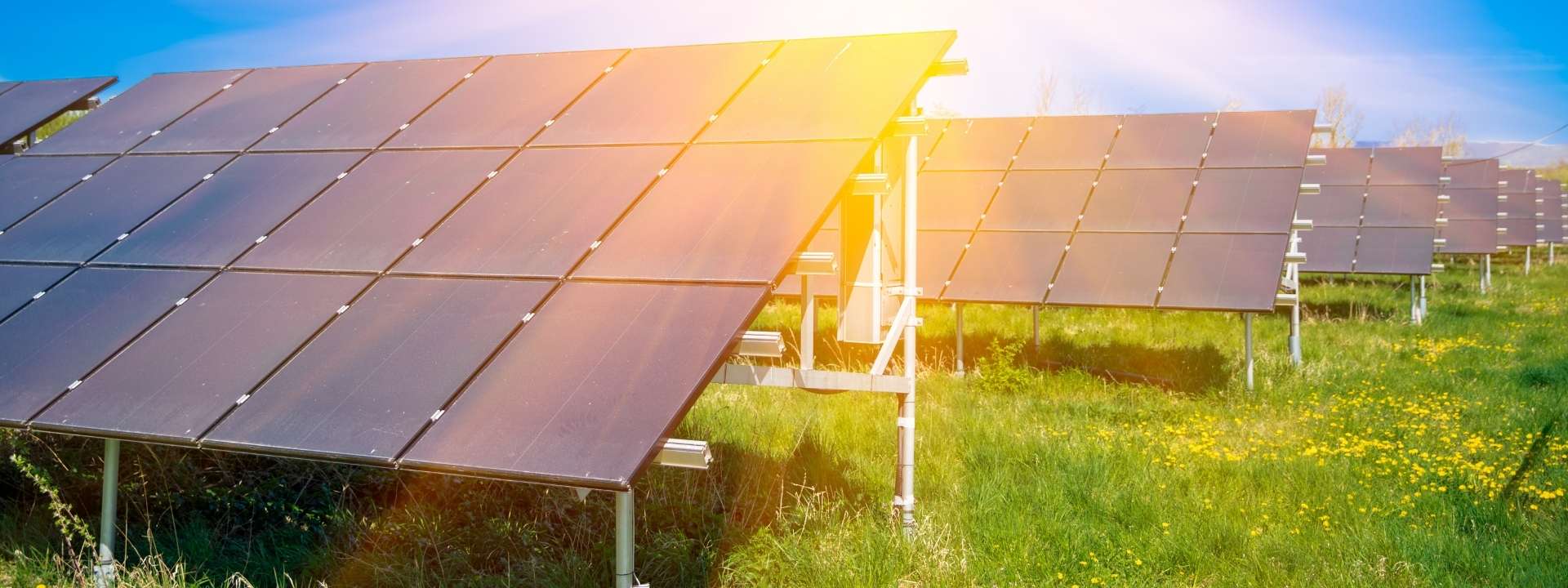
Rooftop solar energy systems are widely deployed, combined with designs optimized for natural ventilation and daylighting, contributing to reduced electricity consumption.
In addition, power optimization solutions enable enterprises to operate factories efficiently, in an environmentally responsible manner, and in full compliance with ESG standards.

Rooftop solar power system at KTG Industrial Tam Phuoc A
Conclusion
Leasing green factories in Vietnam is not only a trend but also a strategic solution that helps enterprises optimize operating costs, improve production efficiency, and meet ESG standards.
With its experience and sustainable industrial ecosystem, KTG Industrial can accompany enterprises on their “green transformation” journey, delivering comprehensive economic, environmental, and social benefits.
References
[1] Alriansyach, I. D., Utomo, C., Rahmawati, Y., & Aqsha, A. (2024). Performance of Green Industrial Estate: A Review. Engineering Proceedings, 74(1), 5. https://doi.org/10.3390/engproc2024074005
[2] Nguyen Huong (2025). Building Vietnam’s green industrial future: materials, mindset, and resource efficiency. Vietnam Investment Review.