

When evaluating a modern industrial park, many enterprises tend to focus on factories and infrastructure while overlooking factors that have long-term impacts on costs and productivity.
In practice, industrial parks lacking green spaces create hot, dry, and dusty environments, directly affecting operations.
This article from KTG Industrial introduces seven standards for modern green industrial parks to support enterprises in making informed leasing decisions.
7 standards for modern green industrial parks
Green space planning: Random or integrated?
In modern industrial parks, green spaces are not considered a decorative element added at the final stage, but an integral component of the overall master plan from the very beginning.
Trees and vegetation are deliberately arranged in relation to traffic flows, prevailing wind directions, production zones, and auxiliary areas in order to help regulate the microclimate and reduce environmental impacts.
Conversely, if greenery appears only sporadically or is concentrated mainly along perimeter fences for the purpose of visual screening, this is a sign that the planning lacks depth and does not yet meet the standards of a modern industrial park [1].
Buffer Strips: Is there a protective shield?
Green buffer zones are an important indicator for assessing the level of completeness of an industrial park.
Green belts arranged between production areas and major transport corridors or residential zones are not merely formal in nature, but also perform environmental protection functions.
From a technical perspective, buffer strips function as a natural filtration layer, helping absorb fine dust, reduce noise, and limit the dispersion of emissions to the surrounding environment [1].
As a result, enterprises significantly reduce the risk of environmental disputes or complaints, while maintaining stable relationships with surrounding communities.
Plant species: Are they suitable for production characteristics?
Plant species selection reflects the level of serious investment an industrial park makes in sustainable planning.
If trees frequently die, shed excessive leaves, or fail to adapt to the production environment, green areas will quickly deteriorate and lose their function.
From a technical perspective, modern industrial parks prioritize plant species that grow quickly, tolerate heat, dust, and emissions, and shed minimal leaves so as not to interfere with production activities [1].
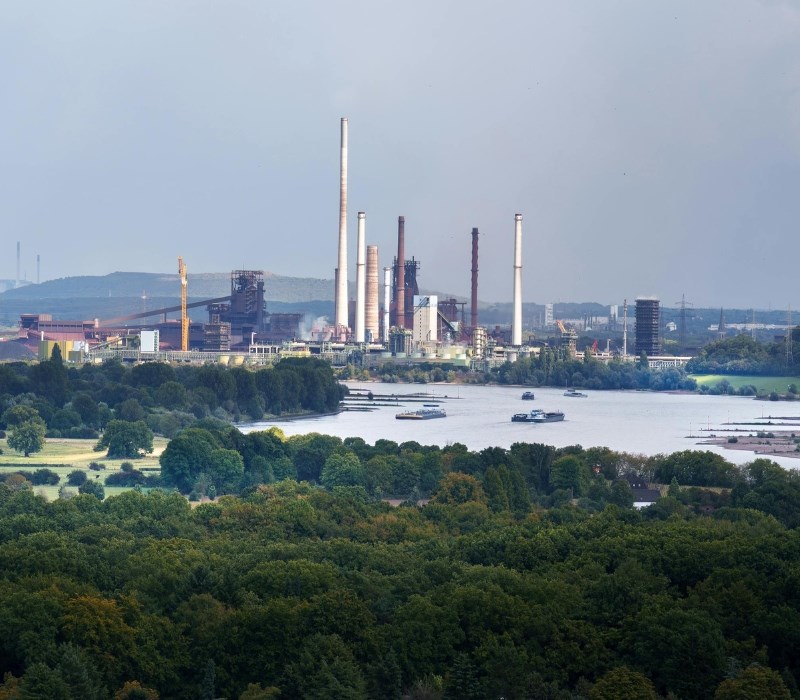
Selecting the right plant species helps maintain dust shielding and air filtration capabilities and significantly reduces landscape maintenance costs
Climate regulation: Can the design “guide” wind flow?
The organization of green spaces is not only aesthetic in nature but also directly affects the microclimate within an industrial park.
Green space forms such as circular layouts, linear strips, or clustered arrangements create different impacts on airflow and local microclimate conditions.
From a technical perspective, linear green belts can function as wind barriers and wind guides, while clustered or circular green spaces help disperse airflow and limit the accumulation of dust and emissions at a single point [1].
When properly designed, these forms support more effective air circulation, helping factories remain cooler and reducing reliance on air conditioning and ventilation systems.
Landscape maintenance: Is there a professional maintenance team?
The value of green spaces in an industrial park largely depends on long-term operation and maintenance practices.
The condition of trees, whether they are regularly pruned with evenly developed canopies or, conversely, overgrown and withered, clearly reflects the level of investment and landscape management capability of the industrial park.
From a technical standpoint, greenery in production zones is constantly exposed to dust, high temperatures, and continuous operational intensity.
Therefore, maintaining a dedicated maintenance team for watering, pruning, and periodic pest control is a mandatory requirement.
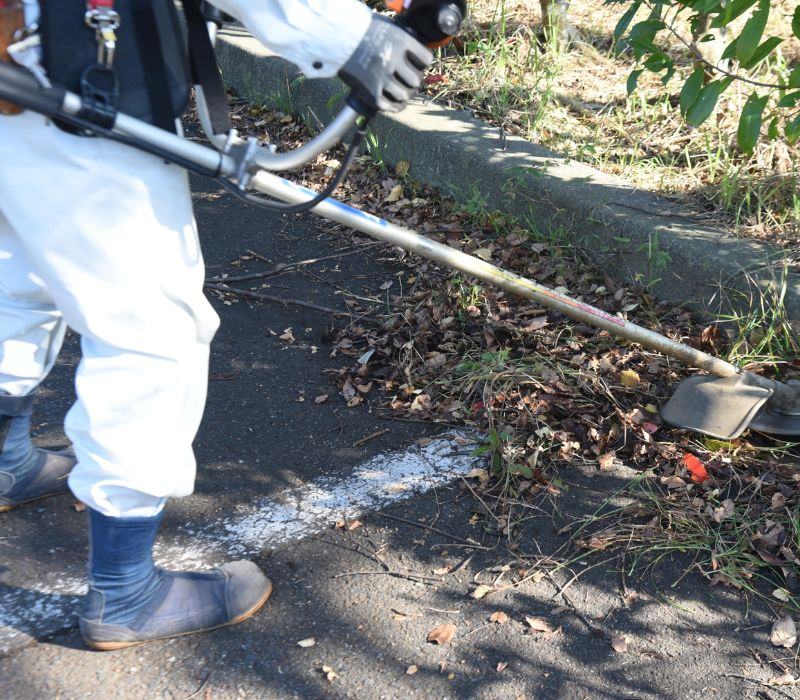
Investing in a professional landscape maintenance team is essential
Only when trees grow well can green spaces effectively improve air quality, maintain safety and aesthetics, and contribute to strengthening corporate image among partners and customers [1].
Employee welfare: Is the space human-centric?
A modern industrial park is not limited to efficient production but must also consider the experience of its workforce.
The arrangement of rest areas under tree canopies, shaded walkways, or outdoor relaxation spaces reflects an approach that “humanizes” the working environment.
When used for the right purposes, green spaces provide psychological support, helping workers reduce stress after work shifts [1].
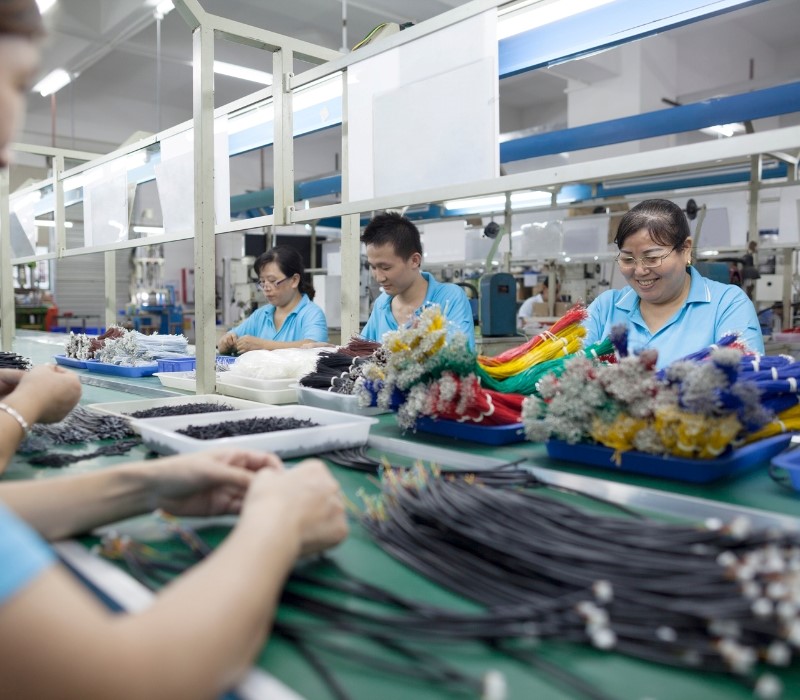
Employee welfare can improve workforce engagement and help maintain stable productivity
Biodiversity: Does it become a “safe habitat for wildlife”?
The presence of birds or small animals within an industrial park is a sign that the ecological environment is being actively maintained.
Well-planned green industrial parks are often harmoniously connected with natural ecological corridors, limiting intrusive intervention into the landscape.
When ecosystems are able to recover and develop, this is not only a substantive environmental value but also an important positive factor in ESG reporting, contributing to the enhancement of a company’s sustainable development image [1].
KTG Industrial and green industrial real estate solutions
KTG Industrial orients its industrial real estate development toward sustainability and alignment with the long-term operational requirements of enterprises.
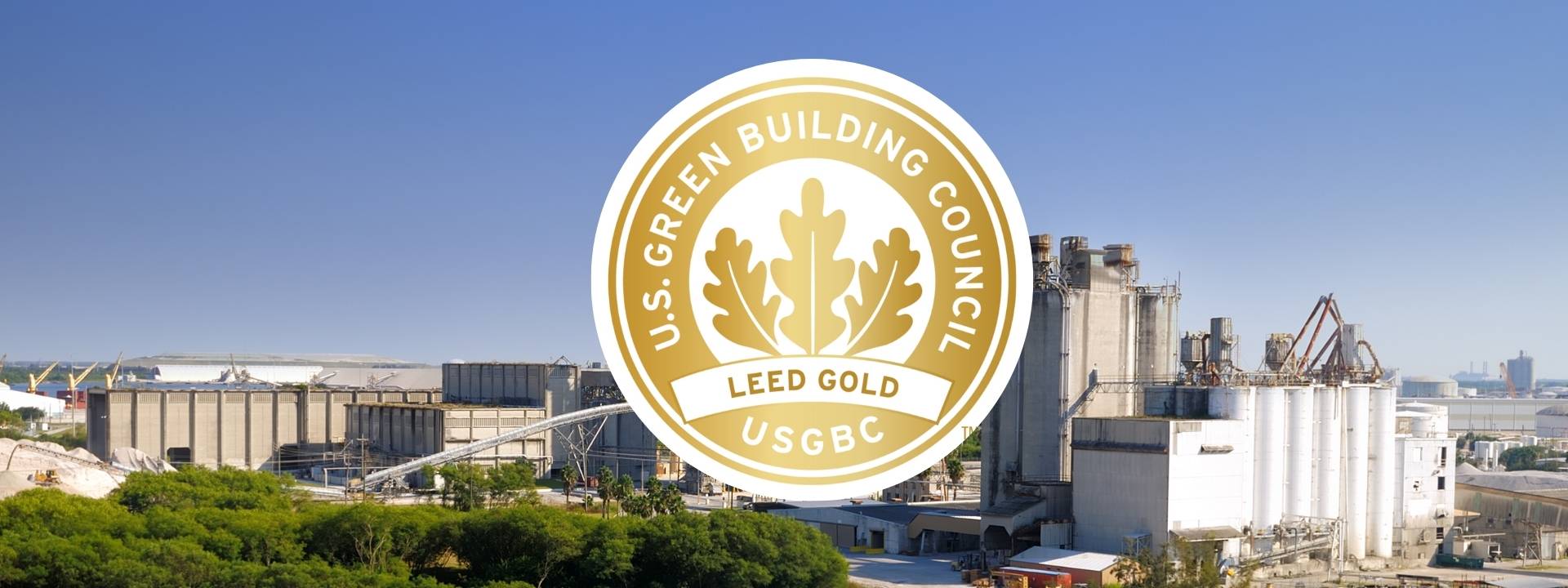
Warehouses and factories are designed and constructed in accordance with LEED and LEED Gold standards, with a strong focus on energy control and the working environment.
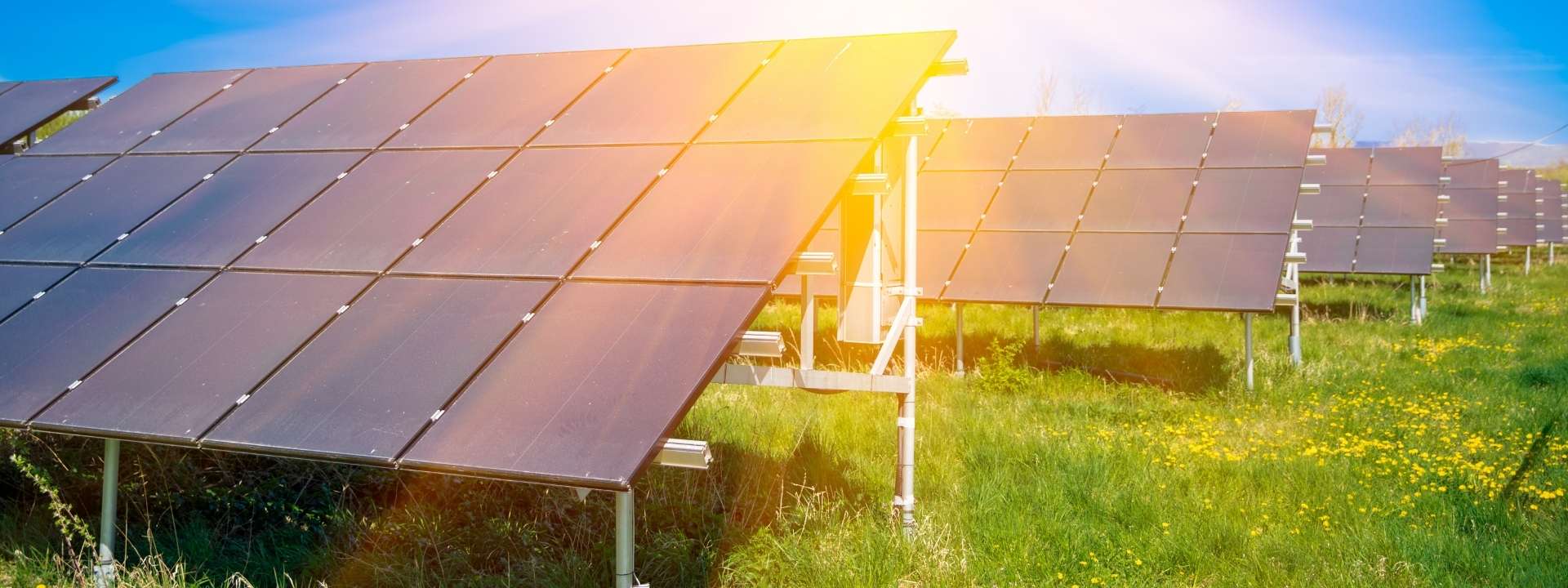
In addition, rooftop solar power systems, natural ventilation, and natural lighting are integrated in a coordinated manner to optimize electricity efficiency and reduce operating cost pressure.
The landscape system surrounding factories is systematically planned by KTG Industrial, helping regulate the microclimate, purify the air, and maintain a balanced and stable production environment for tenants.
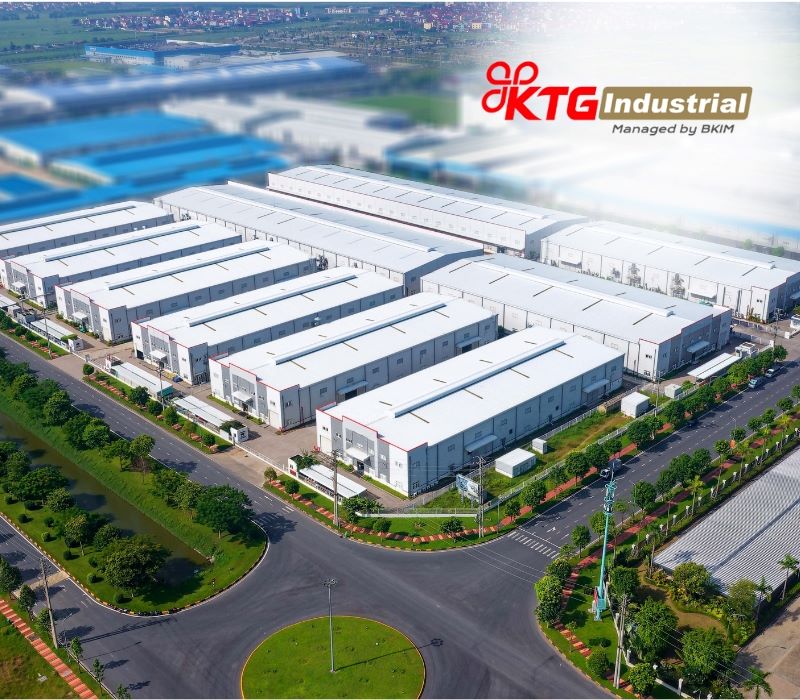
KTG Industrial projects are all oriented toward “green” objectives
Conclusion
Based on the above content, it can be seen that an industrial park is not only evaluated by its scale or technical infrastructure, but also by how space is planned to support sustainable production.
Green spaces, climate conditions, employee welfare, and long-term adaptability are becoming increasingly important criteria in leasing decisions.
Through these analyses, KTG Industrial hopes to provide enterprises with a more practical perspective, supporting the process of selecting production locations that align with long-term development objectives.
References
[1] Karolina Latusek (2016). Impact of Green Industrial Zones on City Development. University of Massachusetts Amherst. https://doi.org/10.7275/fabos.696