

Factory demolition is a crucial phase in many renovation, reconstruction, or land-use conversion projects. It’s not just about tearing down old structures — it requires careful planning in terms of safety, cost, and timeline. A proper demolition process helps minimize risks, cut costs, and ensure there’s no impact on the environment or nearby structures. In this article, KTG Industrial will walk you through how to safely and cost-effectively carry out a factory demolition project.
Understanding Factory and Warehouse Demolition
Demolishing a factory or warehouse is more than simply dismantling an old building — it’s a comprehensive technical process that must be carried out in a structured, well-planned, and absolutely safe manner. This type of work is complex and involves various risks, requiring professional contractors with relevant experience and proper equipment.
Typically, the structures subject to demolition are old or severely damaged warehouses and factories — whether due to age, natural disasters, fire, or simply no longer being suitable for their intended use. In many cases, demolition is part of an upgrade, expansion, or relocation of the facility, especially when businesses plan to replace outdated buildings with a more modern ready-built factory to improve operational efficiency.
A critical aspect of the demolition process is ensuring that no part of the structure collapses unexpectedly, which could endanger human life and property. Common hazards include falling debris, structural collapse, exposure to hazardous substances, noise, vibrations, and fine dust.

Factory demolition must prioritize safety.
Safe and Efficient Factory Demolition Process
According to the Construction Law of 2014 (amended in 2020), demolition is required in the following cases [1]:
- Land clearance for new construction.
- Structures at risk of collapse that may threaten public safety.
Emergency demolition due to natural disasters, epidemics, national defense, or security needs. - Buildings located in restricted construction zones.
- Structures built without permits, with the wrong permits, encroaching on land, or deviating from approved designs.
- Private homes slated for reconstruction.
Demolishing a factory is a complex technical process that requires thorough preparation and strict adherence to proper procedures to ensure safety, efficiency, and cost control. The demolition process typically consists of four main stages:
Stage 1: Site Survey and Demolition Planning
This stage is critical for developing a demolition plan that is both safe and appropriate. Key tasks include:
Site Assessment:
- Evaluate the structure’s components: steel or concrete frame, metal roofing, brick walls, foundation, etc.
- Check material condition and level of deterioration.
- Review design blueprints (if available) to understand the structure and identify critical areas during demolition.
- Identify surrounding factors such as neighboring buildings, utility systems, internal roads, subsidence risks, or hidden hazards.
Measurement of Workload:
- Determine ground area, building height, number of floors, and volume of materials to be removed.
- Document special items like hazardous materials, complex structures, or hard-to-reach areas.
Detailed Demolition Plan:
- Choose a demolition method (manual, mechanized, or combined).
- Estimate construction schedule and divide tasks by phase.
- Create a risk prevention and safety assurance plan.
- Allocate resources: manpower, materials, machinery, and equipment.
- Prepare a detailed cost estimate to serve as a basis for approval and execution.
- Plan for waste collection, sorting, and disposal.
- Review legal regulations to determine permit requirements and, if necessary, initiate the application process with local authorities.
Learn more: Factory leasing procedures & contracts: A-to-Z for businesses
Stage 2: Preparation for Demolition
Once the plan is approved, the contractor must prepare necessary conditions for safe and effective demolition:
Machinery and Equipment Preparation:
- Gather equipment: excavators, cutters, cranes, trucks, dust control systems, scaffolding, and temporary supports.
- Inspect and service all machines before use to ensure operational safety and reduce technical malfunctions.
Labor Force Preparation:
- Assemble skilled demolition workers, supervisors, and project managers.
- Provide full protective gear: helmets, boots, goggles, safety harnesses, etc.
- Clearly assign tasks and arrange a quick-response team for emergencies.
Labor Safety Measures:
- Set up safety fences and warning signs around the demolition zone.
- Conduct safety training on accident prevention and emergency response.
- Hold a pre-construction safety meeting to guide workers in handling potential hazards.
- Disconnect all utility systems (electricity, water, gas, etc.) to eliminate safety risks.
- Clear out the interior: remove equipment, materials, and goods to create a clean, empty site.
Stage 3: Demolition Execution
This is the actual construction phase, requiring close supervision and adherence to technical standards to ensure safety and efficiency.
Follow a Logical Demolition Order:
- Work from top to bottom: roof, walls, structural frame, foundation.
- Remove secondary structures (awnings, sub-roofs) before the main roof.
- Dismantle trusses and girders section-by-section, using temporary supports to prevent sudden collapses.
- Apply appropriate techniques for different materials:
- Bricks: manual removal or small-scale breaking
- Concrete: core drilling or mechanical breaking
- Steel: cutting, bolt removal, crane transport
Ensure Safety for Surroundings and Workers:
- Avoid uncontrolled or simultaneous demolition that may destabilize the structure or endanger workers.
- Strengthen support measures, especially around roofing and suspended components.
- Sort materials on-site for reuse or disposal.
- Manage construction waste according to environmental regulations.
Continuous Safety Monitoring:
- Have technical supervisors on-site.
- Perform routine checks on equipment and site conditions to prevent accidents.
Stage 4: Post-Demolition Cleanup and Handover
After demolition is completed, proceed with cleaning and formal handover:
Site Cleaning:
- Remove debris and clean the construction site.
- Check for any remaining hazards such as foundation holes, leftover structural elements, or slippery surfaces.
Transport of Materials:
- Ensure waste is delivered to designated treatment facilities.
- Reusable materials should be properly recycled or stored.
- Create an inventory list of salvaged materials and equipment for record-keeping and handover.
Construction Report:
- Compile a report detailing actual progress, completed work volume, and results for each task.
- Note any issues that arose during construction, how they were resolved, and recommendations for future projects.
- Include photo documentation of the site before, during, and after demolition.
Final Handover:
- Deliver the site as agreed.
- Complete an acceptance report signed by relevant parties.
- Prepare and submit the demolition acceptance record and completion dossier if required.
Common Demolition Techniques and Equipment
3 Common Factory Demolition Methods
Demolition Using Modern Machinery
Overview: This method is applied to large-scale factories with solid structures located in open areas that allow easy access for specialized equipment.
| Criteria | Details |
| Equipment Used |
|
| Advantages |
|
| Disadvantages |
|
| When to Apply |
|

Using machinery for demolition can significantly reduce costs.
Manual Demolition Method
Overview: This method relies entirely on manual labor combined with hand tools to dismantle the factory.
| Criteria | Details |
| Common Tools | Hammers, crowbars, small drills, hand saws, ropes, etc. |
| Advantages |
|
| Disadvantages |
|
| When to Apply |
|
Hybrid Method (Manual + Mechanical)
Overview: This is the most commonly used method today due to its flexibility and efficiency. Depending on the area of the factory, a combination of manual labor and machinery is used.
| Criteria | Details |
| Implementation | Use machinery for spacious areas with large, accessible structures
Use manual labor for narrow, complex, or sensitive areas near neighboring buildings |
| Advantages |
|
| Disadvantages |
|
| When to Apply |
|
Common Demolition Techniques
- Component-by-component demolition: Dismantle elements such as metal roofing, trusses, windows, and utility systems before breaking down the main structure.
- Floor-by-floor demolition: Start from the top floor and work downward, following a “top-down” sequence. Use machinery to break slabs, columns, and load-bearing walls.
- Segmenting large elements: Cut large structural components like concrete beams and steel columns into smaller parts for easier handling and to prevent unexpected collapses.
- Use of hydraulic hammers: Break reinforced concrete in dense structures such as foundations, thick walls, and rooftop slabs.
Specialized Equipment for Factory Demolition

Specialized equipment for lifting and transporting materials after demolition
To ensure the factory demolition process is safe, fast, and efficient, construction teams often use various types of specialized machinery and equipment. Each machine serves a specific purpose and supports different phases of the demolition process.
| Specialized Equipment | Function |
| Excavators | Dig and move soil, debris, and post-demolition materials |
| Hydraulic Breakers | Break reinforced concrete, brick walls, stone, and hard foundations |
| Cranes (25-ton, long boom) | Lift and relocate large and heavy structural components |
| Concrete Cutters | Cut concrete slabs, beams, girders, thick floors, and walls |
| Drilling and Cutting Tools | Drill and cut technical holes in walls, beams, steel, and foundations |
| Trucks and Dump Trucks (15 tons) | Transport demolished materials and construction waste off-site |
| Scaffolding and Lifts | Provide access for working at height and ensure worker safety |
| Sheet Metal and Nail Guns | Quickly dismantle metal roofing, girders, and other metal structures |
| Forklifts | Move medium-sized materials within the construction site |
| Personal Protective Equipment (PPE) | Includes helmets, goggles, masks, gloves, boots, reflective vests, etc., to ensure worker safety on-site |
Factory Demolition Costs: Key Factors to Consider
Demolition costs depend on various factors, the most notable include:
- Scale of the factory: Larger areas and complex structures (e.g., multi-story buildings, reinforced concrete) are more expensive to demolish than small, simple ones.
- Demolition methods: Manual demolition tends to be slower and labor-intensive, while using machinery is faster but requires open space and specialized equipment. Therefore, a hybrid method is often preferred to balance efficiency and adaptability to site conditions.
- Location and accessibility: Projects in narrow alleys or densely populated areas make transportation of materials and equipment more difficult, leading to higher costs.
- Labor and related material costs: Labor wages, equipment rental, and support materials (e.g., protective nets, PPE) vary by region and market conditions.
- Safety and environmental control requirements: Projects requiring extensive safety measures, enclosures, or waste management systems will incur additional expenses.
A comprehensive estimate of these factors helps better control the budget and ensures timely, efficient construction progress.
Steps for Estimating Factory Demolition Costs
- Survey the existing factory condition: Assess the size, structure, materials, and location of the building.
- Choose a suitable demolition method: Select manual, mechanical, or hybrid demolition based on the project’s scale and site accessibility.
- Estimate labor costs: Calculate based on the workload and prevailing labor rates in the project area.
- Estimate additional material and equipment costs: Include support tools, transportation, waste disposal, and safety materials such as PPE and barriers.
- Determine salvage value (if applicable): Estimate the resale value of scrap materials like steel and bricks to offset total costs.
Key Considerations in the Factory Demolition Process
Before Demolition
- Site inspection: Assess the structure, electrical/water systems, and potential safety risks.
- Develop a construction plan: Define methods, timeline, budget, and safety measures.
- Create detailed demolition drawings: Outline procedures, techniques, and implementation for each demolition stage.
- Site preparation: Obtain necessary permits, disconnect utilities, install safety barriers and warning signs.
- Safety training: Equip workers with PPE and conduct training.
During Demolition
- Follow proper procedures: Prioritize safety and avoid reckless demolition.
- Use appropriate equipment: Select machinery according to each task.
- Handle materials responsibly: Sort for reuse or dispose of according to regulations.
- Be weather-aware: Pause operations during severe weather conditions.
- Protect surrounding structures: Avoid causing damage to neighboring properties.
After Demolition
- Clear the site: Collect and transport debris, clean up thoroughly.
- Project handover: Complete inspection and return the site to the investor.
- Document handover: Submit all related paperwork, including inspection reports, as-built demolition documents, work reports, and other required documentation to the investor.

Factory demolition must follow the established process to ensure safety, compliance, and efficiency.
Factory Demolition: Why Is Maximum Efficiency and Safety Essential?
Ensuring Safety
Protecting people from health risks and accidents:
One of the most critical reasons for ensuring proper factory demolition is to safeguard the lives and health of workers and nearby individuals. If demolition is carried out with incorrect techniques or in violation of procedures, it can lead to sudden collapses, serious workplace accidents, and direct threats to human safety.
Environmental protection:
Without proper control of dust, noise, and construction waste, demolition can lead to serious environmental pollution. Proper material sorting and waste treatment help minimize negative impacts and ensure compliance with environmental regulations.
Minimizing property damage:
Factories are often located near other buildings, infrastructure, or production areas. Improper demolition can damage adjacent structures, causing unnecessary losses. In addition, poor demolition practices may destroy reusable materials, increasing overall costs.
Ensuring Efficiency
Saving time and money:
A professional demolition team ensures the work is done quickly and accurately, minimizing errors and reducing time and costs for repairs or rework. They also know how to salvage materials for reuse or sell scrap to recover part of the investment.
Avoiding project disruptions:
A detailed execution plan combined with modern equipment allows the demolition process to proceed smoothly and continuously, avoiding delays due to workforce shortages, equipment issues, or technical problems.
Staying on schedule:
Factory demolition is often the first step in a new construction project or production expansion. Any delays here can impact the entire downstream plan. A professional demolition contractor will commit to and closely follow the timeline, giving the investor peace of mind to proceed as scheduled.
Key Requirements for Safe and Efficient Factory Demolition
To ensure the demolition process is safe, effective, and legally compliant, the following points should be considered:
- Legal compliance: Demolition is only permitted when justified and licensed by relevant authorities.
- Permit application: A complete application package must be prepared, clearly stating the demolition plan and safety measures.
- Site survey: Assess the structure and utility systems (electricity, water) to determine suitable demolition methods.
- Detailed planning: Include schedules, workforce, equipment, and safety protocols.
- Choose a reputable contractor: An experienced and well-equipped contractor ensures smooth execution.
- Ensure labor safety: Provide PPE and enforce safety regulations throughout the project.
- Proper material handling: Collect, sort, and transport debris according to environmental standards.
- Choose the right timing: Avoid bad weather to ensure safety and meet deadlines.

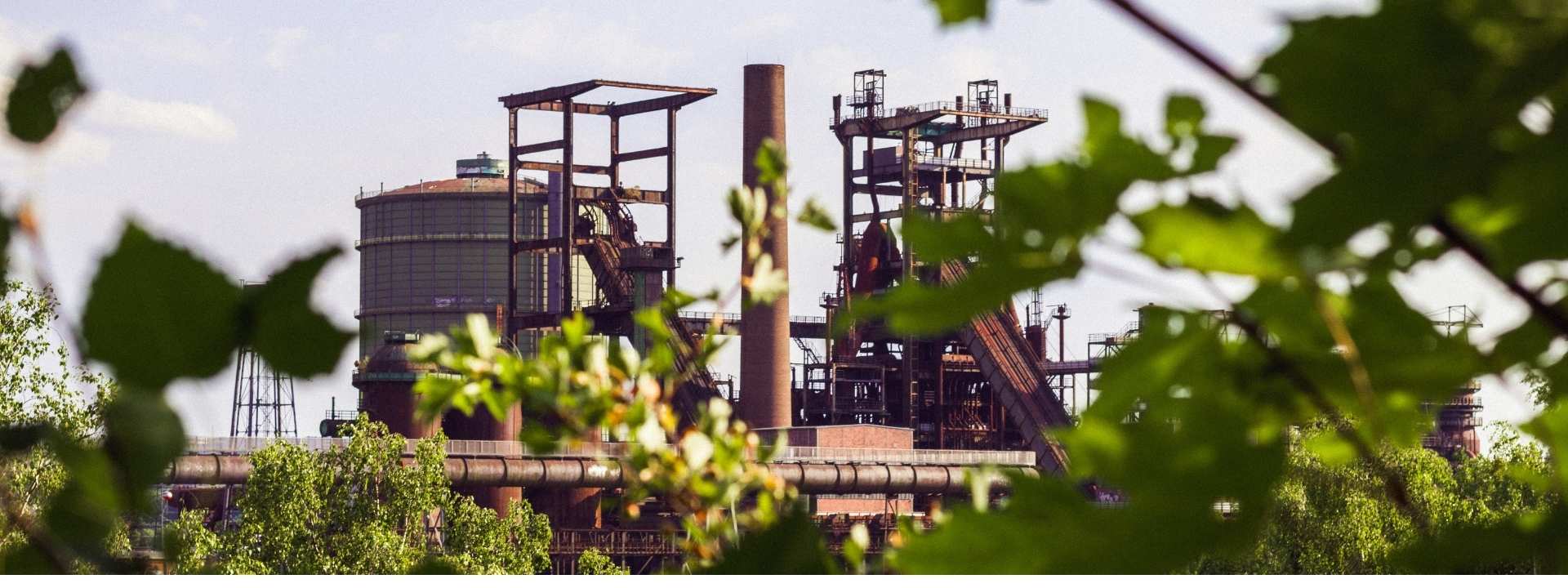
Factory demolition can stem from many causes
Conclusion
When done correctly, factory demolition helps businesses save costs, ensure workplace safety, and prepare for future development. Thorough preparation, legal compliance, proper equipment, and selecting a reputable contractor are all key factors that determine the success of the project. Never underestimate this step—it’s the foundation for building a sustainable future for your business.
Reference
[1] Nguyen Tuan Kiet. Trinh tu thuc hien thao do cong trinh xay dung nhu the nao? ThuVienPhapLuat.vn. Published June 18, 2024. Accessed April 20, 2025. https://thuvienphapluat.vn/hoi-dap-phap-luat/83A2238-hd-trinh-tu-thuc-hien-thao-do-cong-trinh-xay-dung-nhu-the-nao.html