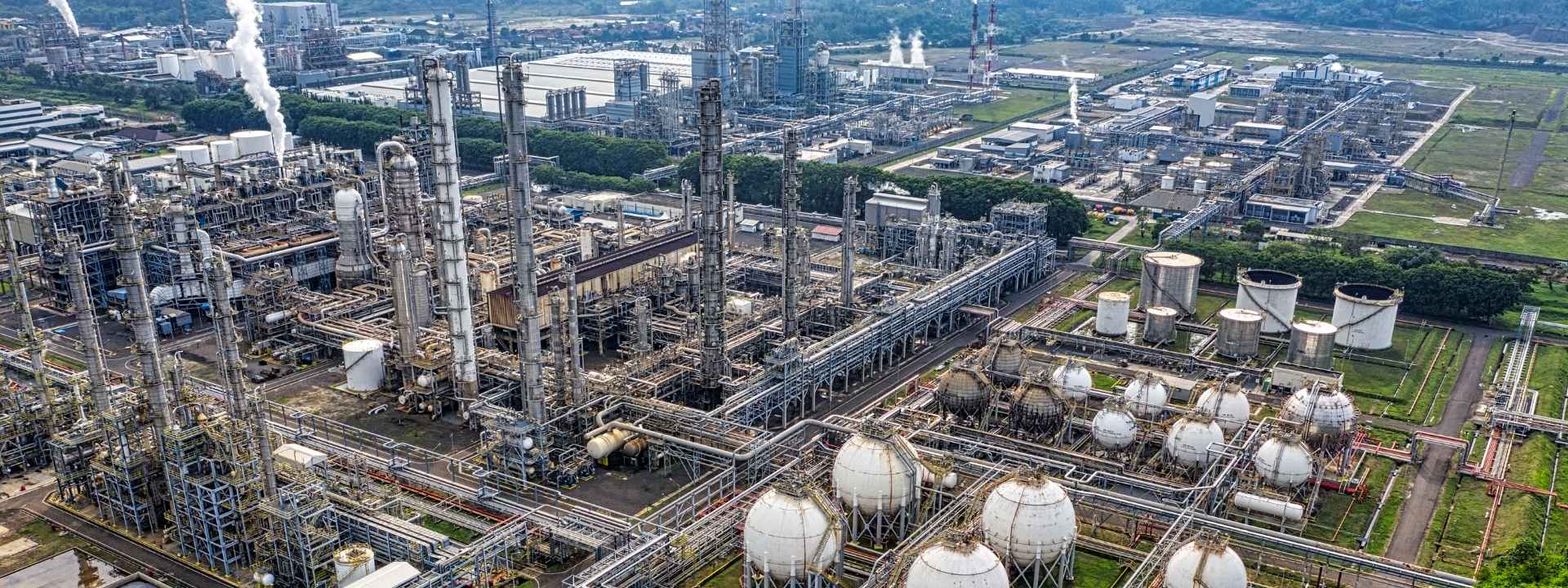



Net Zero is gradually becoming a practical reality rather than remaining a long term objective.
Green factories therefore emerge as a critical link where enterprises can control energy use, emissions, and operational efficiency starting from infrastructure.
In Vietnam, this trend is attracting growing interest from businesses, and the following insights from KTG Industrial clarify the roadmap for realizing green factories in manufacturing.
Why are green factories a top priority for enterprises today?
Green factories are being placed at the top of corporate priorities as pressure continues to intensify from multiple directions.
On one hand, multinational corporations within global supply chains require manufacturing partners to demonstrate tangible efforts in emission reduction.
On the other hand, the application of carbon taxes in many countries increases operating costs if emissions are not effectively controlled.
At the same time, major investors increasingly favor enterprises that pursue sustainable development as a long term evaluation criterion.
The factory of the future: Three action pillars
Reducing emissions
The first pillar focuses on avoiding emissions by improving energy efficiency and strengthening operational management, helping to reduce waste directly at the production stage.
Next, enterprises need to innovate processes and technologies, such as applying 3D printing or replacing fossil fuels with hydrogen in energy intensive industries.
Finally, the transition to renewable energy sources such as solar and wind power forms a critical foundation for long term emission reduction and progress toward Net Zero.

Reducing emissions through clean energy and new technologies
Reuse and storage
In addition to reducing emissions, resource reuse plays a vital role in the green factory model.
Recycling and remanufacturing activities help extend material life cycles, reduce demand for virgin resources, and limit waste generation.
At the same time, carbon capture, utilization, and storage (CCUS) solutions are increasingly viewed as complementary approaches, enabling control of unavoidable emissions and reducing long term environmental impacts.
Offsetting
When it is not possible to eliminate all emissions, enterprises must rely on offsetting solutions to address the remaining portion.
Through environmental protection projects such as reforestation, ecosystem restoration, or participation in certified carbon credit programs, emissions can be effectively neutralized.

Through offsetting, enterprises can both manage environmental impacts and reinforce long term commitments to sustainable development
Three steps roadmap for implementing green factories
To realize green factory development goals, enterprises should adopt a phased approach rather than implementing fragmented initiatives.
Step 1: First, measuring the carbon footprint is the foundation. This includes both direct and indirect emissions across Scopes 1, 2, and 3, enabling enterprises to accurately identify emission sources throughout the entire production chain.
Step 2: Next, based on assessment results, enterprises set appropriate emission reduction targets that balance cost, efficiency, and expectations from the market, customers, and investors.
Step 3: Finally, technological solutions, operational plans, and implementation partners are selected and prioritized, ensuring that the transition toward green factories is stable and sustainable over the long term.
KTG Industrial – Orientation toward green factory development aligned with ESG standards
Rather than pursuing superficial trends, KTG Industrial translates ESG commitments into practical green factories with a strong focus on operations.
From the design stage, infrastructure is carefully planned to minimize emissions and ensure stable working conditions.
In addition to LEED and LEED Gold certifications, factories are equipped with rooftop solar power systems as well as modern lighting, ventilation, and fire prevention systems.
These sustainable operational solutions not only contribute to environmental protection but also optimize long term operational efficiency for investors.
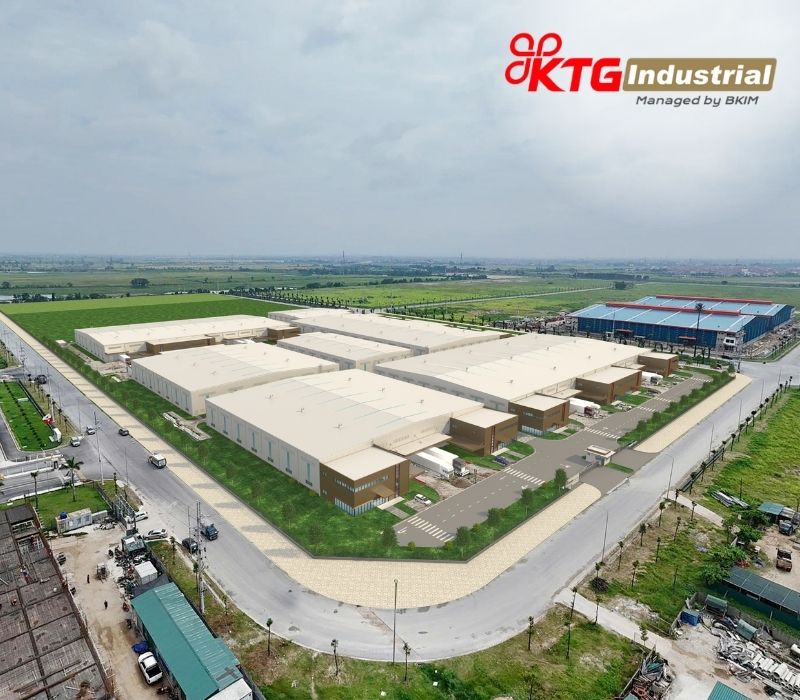
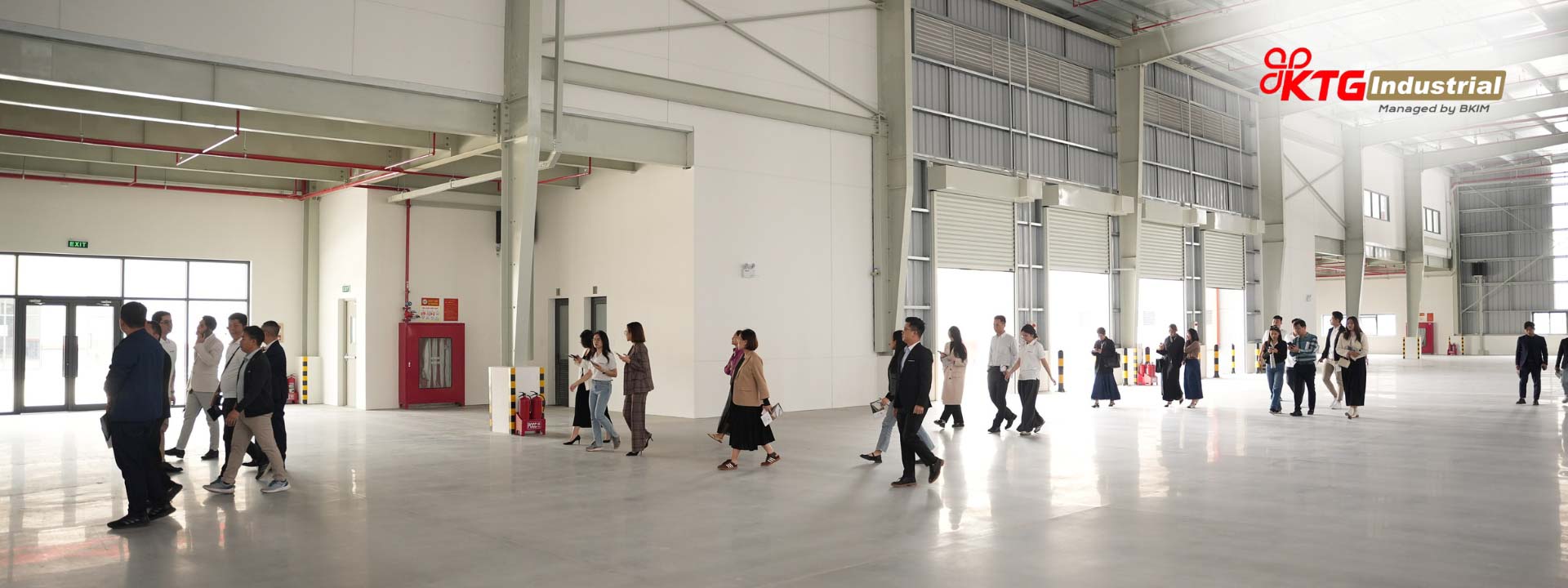
KTG Industrial aims for operationally efficient green factories
Conclusion
Implementing the green factory model enables enterprises to proactively control emissions, enhance production efficiency, and meet sustainability requirements.
When emission reduction, energy efficiency, and clean energy transition measures are executed in a structured manner, achieving Net Zero in manufacturing becomes a realistic and long term objective.
References
[1] Küpper, D., Kuhlmann, K., Pieper, C., Burchardt, J., & Schlageter, J. (2020, June). The Green Factory of the Future. Boston Consulting Group.