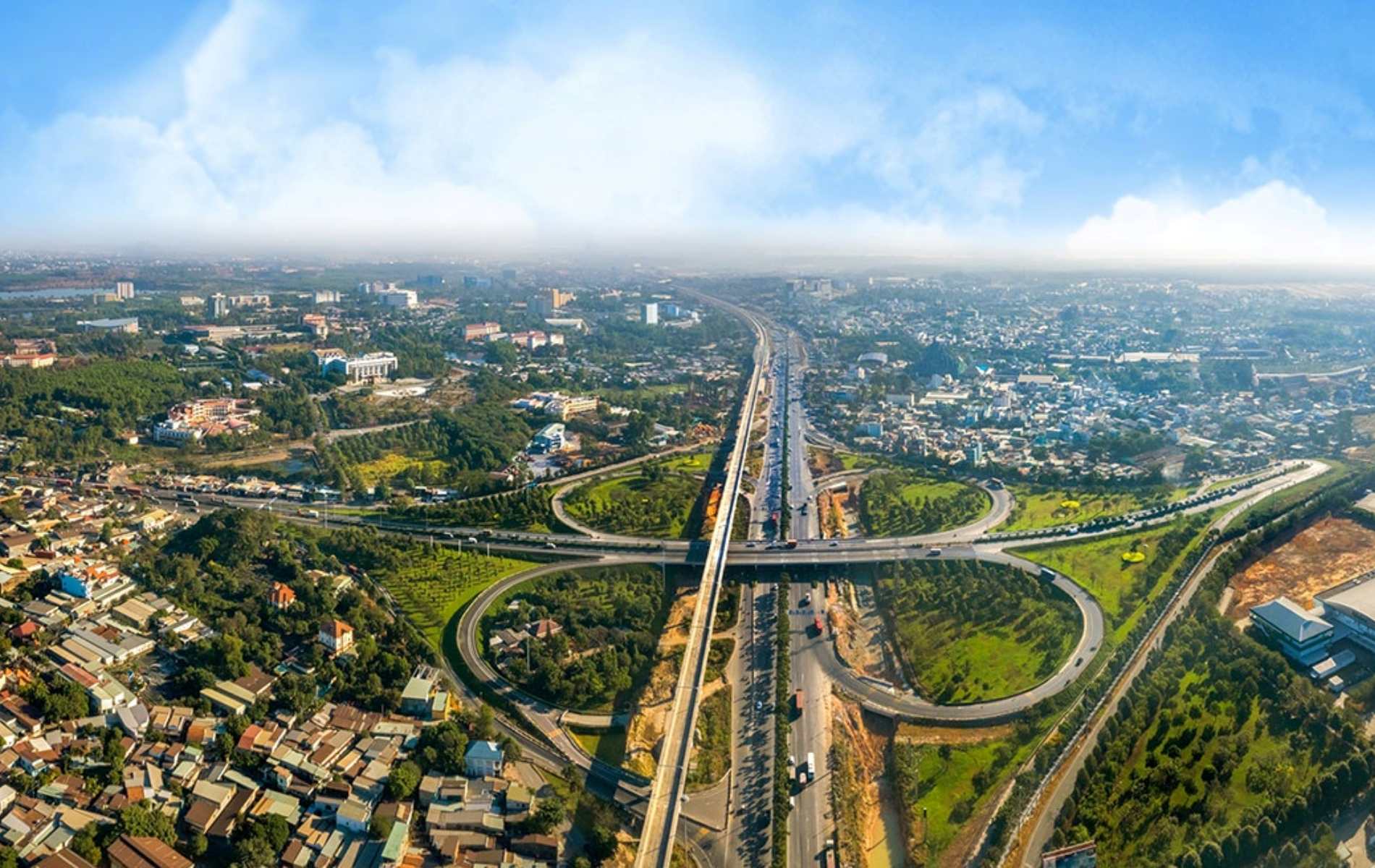


Decree 58/2025 marks a new turning point by linking FDI capital flows with sustainable energy standards. This is not only a challenge but also an opportunity for manufacturing enterprises to accelerate growth.
Together with KTG Industrial this article analyzes the key impacts and adaptation roadmap for FDI enterprises below.
Context and significance of Decree 58/2025/ND-CP
Dual pressure from international markets
Vietnamese enterprises and the FDI sector are facing increasingly clear pressure from global markets in two parallel directions.
First, the EU CBAM mechanism, along with similar trends in the United States and Japan, means goods with high emissions face higher export costs.
Second, RE100 commitments and ESG standards from multinational corporations such as Samsung, Apple, and LG require supply chains in Vietnam to shift toward renewable energy use.
In response to this reality, Decree 58/2025/ND-CP was issued to concretize COP26 commitments while establishing a transparent legal framework to protect investors when signing long-term power purchase agreements.

Vietnamese and FDI enterprises face pressure from international costs and green standards
Key incentive pillars
Battery Energy Storage System (BESS)
For many FDI enterprises, the risk of power shortages during peak seasons is a major challenge that can disrupt production and break supply chains.
Decree 58/2025/ND-CP introduces specific solutions to strengthen energy security for the industrial sector, with particular emphasis on the role of Battery Energy Storage Systems (BESS).
Specifically:
- Clarifying the role of BESS in industrial plants, enabling enterprises to proactively store and utilize electricity.
- Priority dispatch mechanism: Plants equipped with BESS are given priority access to electricity from the national grid when the system is under overload conditions.
- Time-of-use (TOU) tariff optimization: Enterprises can charge electricity during off-peak hours at lower costs and use self-consumed power during peak hours when electricity prices are higher.
As a result, FDI enterprises can stabilize production operations while gaining better long-term control over energy costs.
Financial Incentives
In addition to technical mechanisms, Decree 58/2025/ND-CP creates important financial leverage, helping FDI enterprises reduce initial investment costs and stabilize long-term cash flows when implementing energy projects.
Land Incentives
The Decree specifies eligibility conditions for incentives applicable to projects that include new energy or energy storage components.
Accordingly:
- Enterprises are exempt from land use fees and land rent for up to 3 years during the construction phase.
- For the following 9 years, land rent is reduced by 50 percent, significantly lowering operating expenses (OPEX) in the early stages of the project.
Tax and Finance
Alongside land incentives, Decree 58 expands support mechanisms related to taxation and capital access:
- Import tax exemption for machinery and components not yet locally available in Vietnam, including BESS equipment and hydrogen electrolysis technologies.
- Access to green credit: Enterprises can leverage the legal framework under Decree 58 as a basis to secure green financing from international banks such as HSBC, Standard Chartered, and UOB, with preferential interest rates approximately 1 to 2 percent lower.
Read more: Green Leasing Incentives in Vietnam 2026
Power Purchase Agreement (PPA)
Decree 58/2025/ND-CP stipulates a mechanism to guarantee a minimum contracted electricity output for energy projects.
Accordingly, the State commits to a minimum of 70 percent of contracted electricity output during the principal repayment period, with a maximum term of 12 years.

These incentives make energy projects more attractive to long-term investors
Pioneering new energy (Hydrogen & green Ammonia)
Decree 58/2025/ND-CP promotes the application of hydrogen and green ammonia for hard-to-abate sectors such as steel, cement, chemicals, and semiconductor components.
This mechanism supports the gradual transition of furnaces from fossil fuels to blended models using hydrogen or ammonia, thereby helping enterprises reduce emissions and shape carbon-neutral factory models from the investment stage.
KTG Industrial – Green factory solutions for FDI enterprises
KTG Industrial develops ready-built factory and ready-built warehouse models aligned with green development orientations and ESG standards.
Projects integrate rooftop solar power to optimize renewable energy use, combined with efficient lighting and ventilation systems.
In parallel, international-standard fire prevention and firefighting solutions, industrial green landscapes, and factory flooring certified under LEED help enterprises operate safely, stably, and sustainably over the long term.

KTG Industrial provides international-standard green factories for FDI enterprises
Conclusion
Industrial development is clearly shifting from the “low-cost factory” model to the “green factory” model, where energy and emissions have become critical competitive criteria.
Decree 58/2025/ND-CP serves as a strategic advantage, enabling FDI enterprises to proactively adapt to international market requirements.
Early investment in energy infrastructure and green factories establishes a foundation for stable operations while enhancing long-term value and competitiveness.