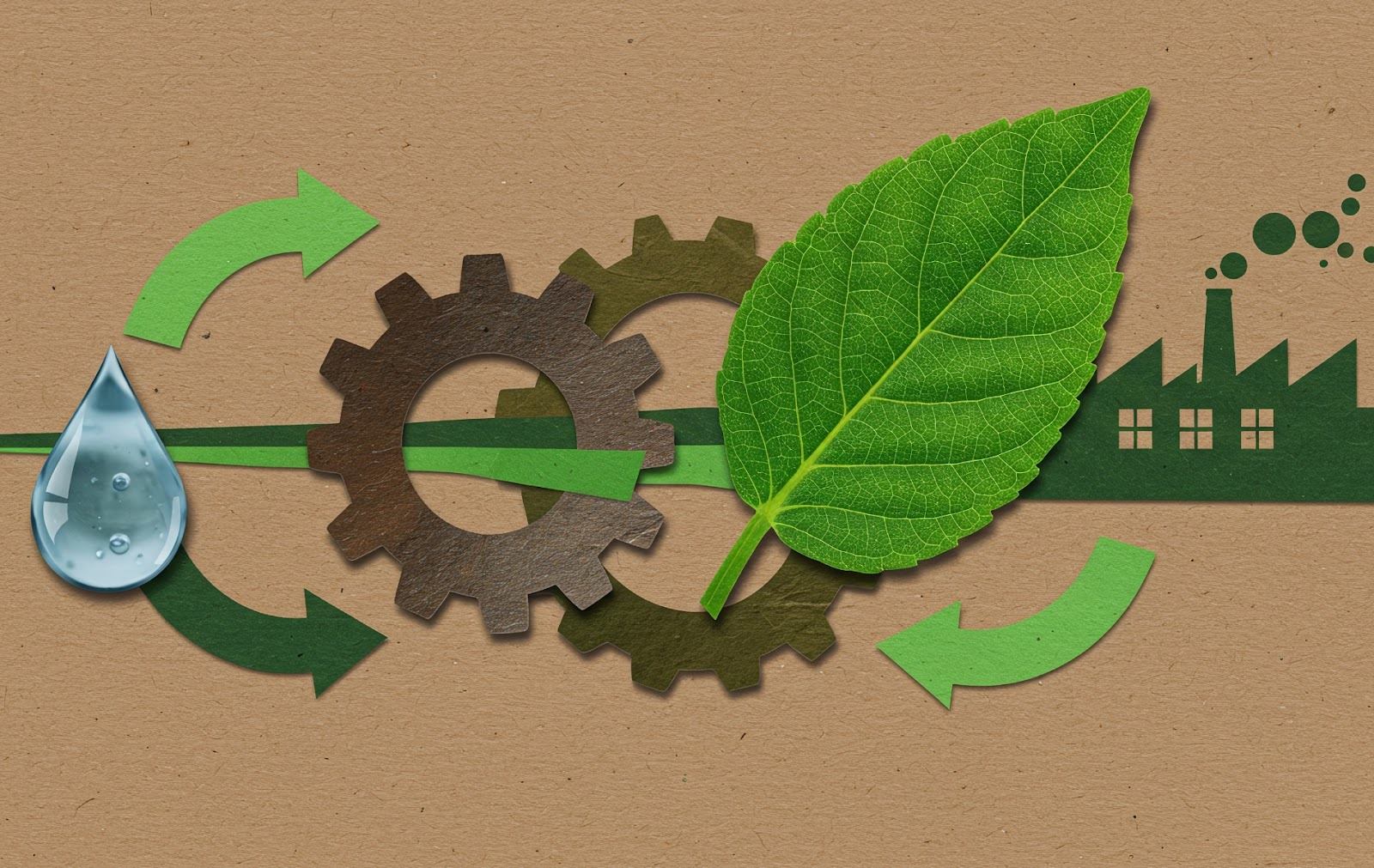



CBAM is gradually becoming a clear influencing factor on the operations of FDI enterprises in Vietnam, especially in manufacturing sectors associated with high emission levels.
Under the requirements for carbon control, the Net Zero factory pathway, and the completion of green supply chains, sustainable manufacturing trends in Vietnam show that green production is no longer an option but has become a new standard.
In this context, KTG Industrial provides an overall perspective on CBAM, while analyzing infrastructure and operational solutions like the low-carbon factory for rent Vietnam model that help enterprises adapt effectively to sustainable development orientations.
What is the CBAM regulation?
The Carbon Border Adjustment Mechanism (CBAM) is a breakthrough environmental policy of the European Union (EU).
This policy supports the roadmap to reduce greenhouse gas emissions by at least 55% by 2030 and aims toward the goal of carbon neutral factory standards before 2050.
Under CBAM, manufacturing enterprises within the EU are required to pay carbon costs through the Emissions Trading System (EU ETS), while many non-EU enterprises have not yet applied similar obligations.
This difference creates the risk of “carbon leakage,” where production activities tend to shift to countries with more lenient environmental regulations [1].

CBAM is a tool used by the EU to apply carbon pricing in order to prevent global emissions leakage
Which sectors are likely to be affected early by CBAM?
CBAM initially targets manufacturing and export sectors with high carbon emission intensity, as these are the product groups most likely to cause “carbon leakage” if left uncontrolled.
Under current regulations, the sectors within the initial scope of CBAM include iron and steel, cement, aluminum, fertilizers, electricity, and hydrogen, as these products account for a large share of emissions in industrial production [2].
The impact of CBAM on financial and operational aspects?
Increase in export costs
FDI enterprises exporting to the EU are required to purchase CBAM certificates corresponding to the embedded emissions in their products.
As Net Zero standards become increasingly stringent, rising carbon costs will directly reduce profit margins, forcing enterprises to restructure their production models.
Administrative and reporting burden
In addition to financial costs, enterprises must invest in greenhouse gas inventory systems that comply with EU standards [3].
This leads to additional expenses for data system development, dedicated personnel, and the engagement of third-party entities to verify emissions data on a quarterly or annual basis, increasing operational pressure.
The burden of emissions reporting causes operating and labor costs to rise significantly
Risks from the “default emission factor”
If enterprises are unable to demonstrate their actual emission levels, the EU will apply a default emission factor.
This factor is typically much higher than actual emissions, requiring enterprises to purchase more CBAM certificates and bear significantly higher costs.
How does CBAM affect supply chains and investment strategies?
Pressure to “green” the supply chain
CBAM requires FDI enterprises to control emissions across the entire green supply chain, from input materials to final production stages.
Accordingly, domestic suppliers are also under pressure to transition toward low-emission models in order to meet the requirements of their FDI partners.
Shifts in investment capital flows
Projects using outdated technologies and heavily dependent on fossil energy will gradually lose their competitive advantage.
In contrast, ecological industrial parks and industrial park infrastructure integrating ESG criteria are becoming attractive destinations for green FDI capital flows [4].
Tax advantages (deduction mechanism)
If Vietnam implements a carbon credit market or applies a domestic carbon tax, FDI enterprises may be allowed to deduct costs already paid domestically from their CBAM obligations in the EU.
This factor supports enterprises in maintaining sustainable production and reducing long-term financial pressure.
Adaptation strategies and CBAM compliance roadmap for FDI enterprises
Short term (Compliance): Completing emissions measurement and reporting systems
In the initial stage, FDI enterprises need to prioritize meeting CBAM compliance requirements, with the emissions reporting system being the most critical element.
Enterprises must organize the collection and management of Scope 1 and Scope 2 emissions data in accordance with standards recognized by the EU, such as ISO 14064-1, the GHG Protocol, and the EU ETS. Currently, CBAM primarily calculates direct emissions arising from the production process, including emissions from electricity and heat used for factory operations [1].

Properly defining emissions boundaries from the outset helps enterprises avoid risks later on
Medium term (Optimization): Adjusting the energy mix and reducing carbon intensity
In the medium term, once compliance obligations are fulfilled, FDI enterprises should focus on optimizing emissions by adjusting their energy structure.
Instead of relying on grid electricity with high carbon intensity, enterprises can shift toward renewable energy by participating in DPPA schemes or deploying rooftop solar power within industrial parks.
This approach helps reduce emissions while limiting the long-term costs of purchasing CBAM certificates.
More importantly, it serves as a stepping stone for enterprises to elevate ESG standards, move closer to Net Zero targets, and transform CBAM into a tool for improving operational efficiency.
Long term (Strategic): Restructuring supply chains toward low-emission models
In the long term, CBAM compels FDI enterprises to restructure their green supply chains, prioritizing suppliers with environmental certifications or those operating within ecological industrial parks.
At the same time, integrating CBAM into investment strategies, from site selection to infrastructure and ESG orientation, enables enterprises to reduce carbon tax risks and enhance their position in global supply chains moving toward Net Zero.
KTG Industrial: Solutions supporting FDI enterprises in adapting to CBAM
Faced with increasingly stringent CBAM requirements, FDI enterprises are compelled to reassess their infrastructure strategies toward Net Zero and sustainable production.
Against this backdrop, KTG Industrial develops ready-built factory and warehouse systems aligned with ecological industrial park models, with a strong focus on green infrastructure and ESG criteria.
Through energy-efficient design and the ability to deploy rooftop solar power, enterprises can better control emissions and reduce long-term pressure from carbon credit costs.
This provides an important foundation for building green supply chains and adapting effectively to CBAM.
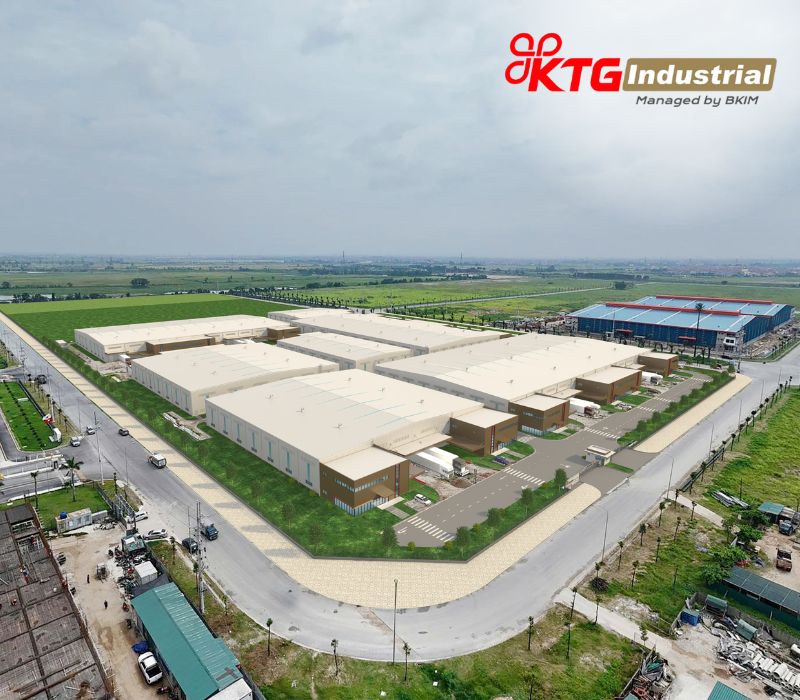
KTG Industrial accompanies enterprises in developing green infrastructure toward Net Zero
Conclusion
Overall, CBAM creates new compliance pressure for FDI enterprises in Vietnam while also serving as a catalyst driving the transition toward Net Zero and sustainable manufacturing.
Accordingly, strict emissions management, the development of green supply chains, and prioritizing infrastructure that meets ESG criteria will help enterprises control carbon costs and strengthen long-term competitive advantages.
References
[1] European Commission, Directorate-General for Taxation and Customs Union (2023). Guidance document on CBAM implementation for installation operators outside the EU. Brussels.
[2] International Trade Administration (2024). EU Carbon Border Adjustment Mechanism impact on U.S. exporters and cargo firms. U.S. Department of Commerce.
[3] Bo Cong Thuong (2023). Co che dieu chinh bien gioi carbon (CBAM) va nhung tac dong den xuat khau cua Viet Nam.
[4] Bo Cong Thuong (2025). Co che dinh gia carbon cua EU va ham y chinh sach cho he thong ngan hang – tai chinh Viet Nam.