

Vietnam’s industrial real estate market is entering a more selective phase of development, with increasingly stringent requirements.
In addition to lease costs, factors such as technical infrastructure, reliable power supply, green buildings, and supply chain connectivity are becoming increasingly important.
In this article, KTG Industrial explores the key factors driving Vietnam’s industrial real estate market to become more selective and demanding.
The standards shaping the new landscape of industrial real estate
Strategic locations: Reducing delivery times for the e-commerce sector
The rapid growth of e-commerce is reshaping how businesses select industrial parks. Instead of focusing solely on rental rates, many companies now prioritize locations close to residential areas, seaports, airports, and major transportation corridors to shorten delivery times and optimize logistics costs.
This trend has made industrial parks on the outskirts of Hanoi, Ho Chi Minh City, and along major logistics corridors the preferred choices. In contrast, projects located far from urban centers or lacking infrastructure connectivity face greater challenges in attracting tenants.
Read more: Factory leasing market near Ho Chi Minh City: Prices and locations
Advanced technical infrastructure: Meeting the requirements of high tech industries
The growing wave of investment in the semiconductor, electronics, and electric vehicle industries is raising the bar for industrial park infrastructure. Between 2023 and 2025, Vietnam attracted approximately USD 11.6 billion in investment into high-value semiconductor and electronics industries [1], driving demand for clean land banks, reliable power supply, and integrated technical infrastructure.
At the same time, requirements for cleanrooms, environmental management systems, and production scalability have made it difficult for many traditional industrial parks to meet investor expectations. As a result, businesses are increasingly choosing specialized, well-invested industrial parks to ensure long-term operations.
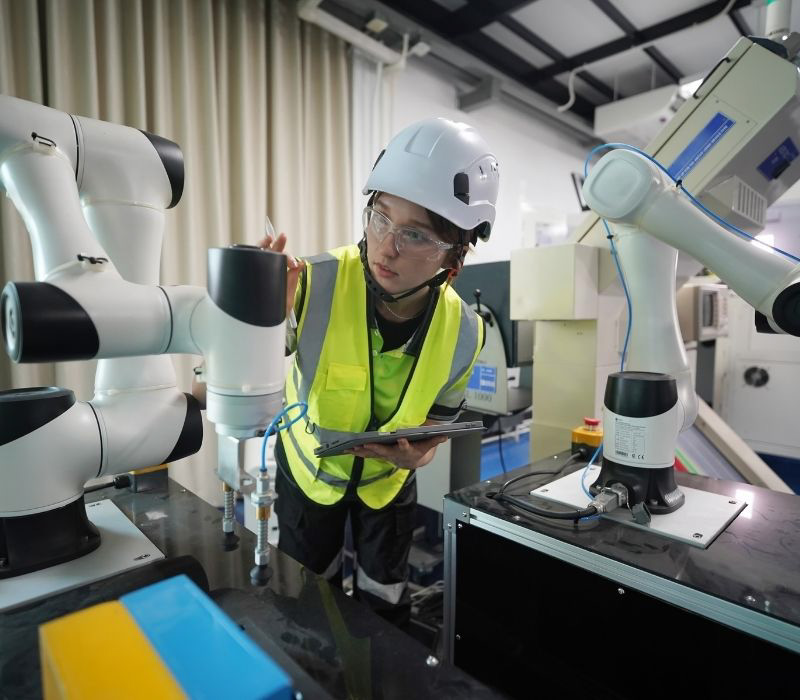
High-tech industries require high-quality industrial park infrastructure
Related article: Bac Ninh trains semiconductor talent for new investment
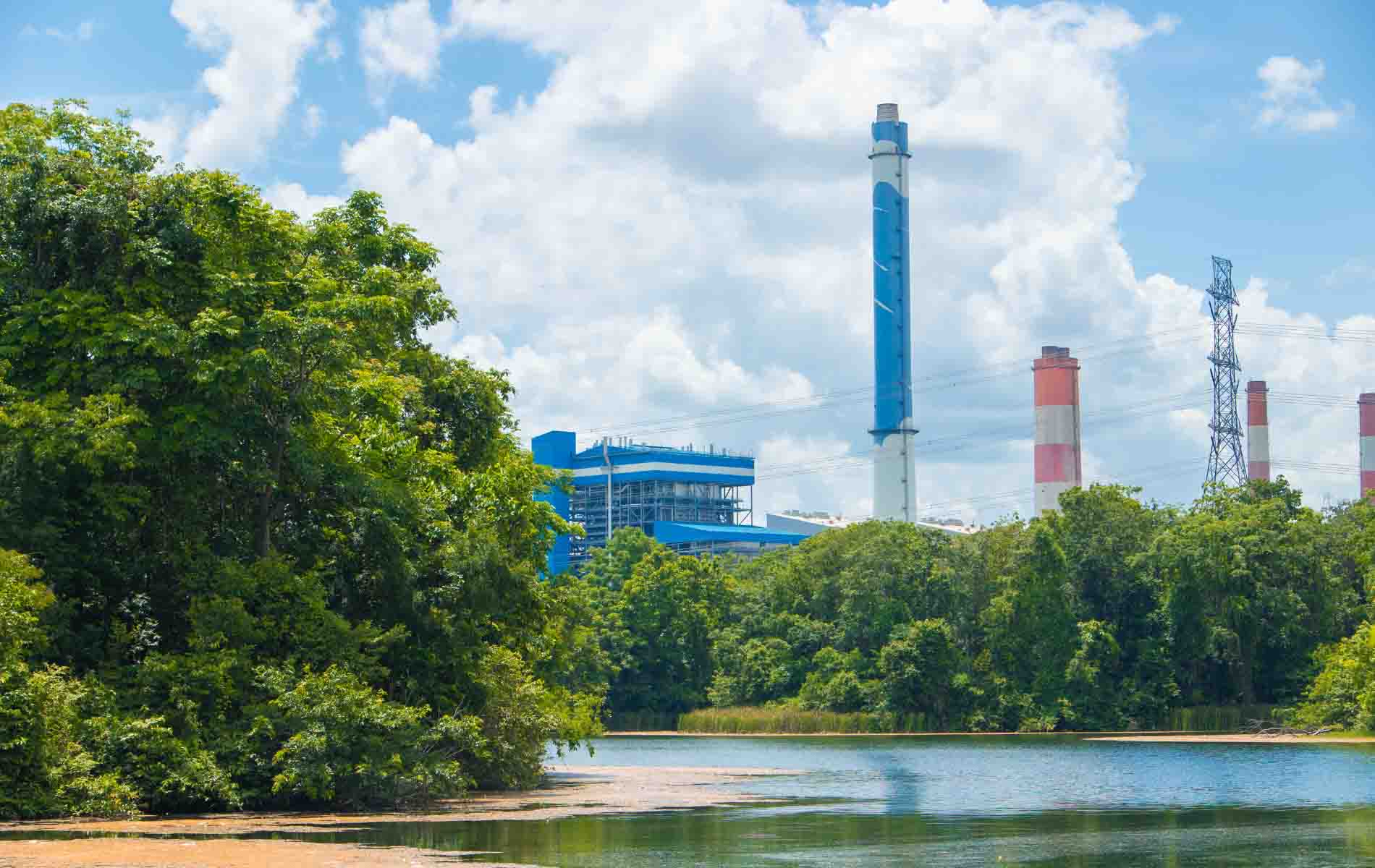
Energy and telecommunications: Rising demand driven by data centers
The rapid growth of artificial intelligence, cloud computing, and the digital economy has significantly increased demand for data center development in Vietnam.
By 2025, Vietnam is expected to have approximately 41 data centers [1], creating substantial demand for reliable power supply, backup power systems, and high-quality telecommunications infrastructure.
For this segment, uninterrupted and secure operations are the highest priorities. As a result, investors tend to prioritize industrial parks with stable energy infrastructure, strong backup capabilities, and compliance with stringent technical standards.
Supply shifts and the occupancy challenge for 2026 to 2029
According to forecasts, an additional approximately 8,800 hectares of industrial land will enter the market between 2026 and 2029, with the majority of new supply concentrated in southern Vietnam.
However, an increase in supply does not necessarily mean that every project will achieve high occupancy quickly.
As businesses become more selective, competitive advantage is no longer determined by the size of land banks but by infrastructure quality, connectivity, and the ability to meet green and sustainable development standards in line with ESG principles.
These factors will play a decisive role in attracting FDI and enabling deeper participation in global supply chains.
KTG Industrial: Advancing the ESG trend in industrial real estate
The development of Vietnam’s industrial real estate market is increasingly focused on projects featuring modern infrastructure and compliance with sustainable development standards.
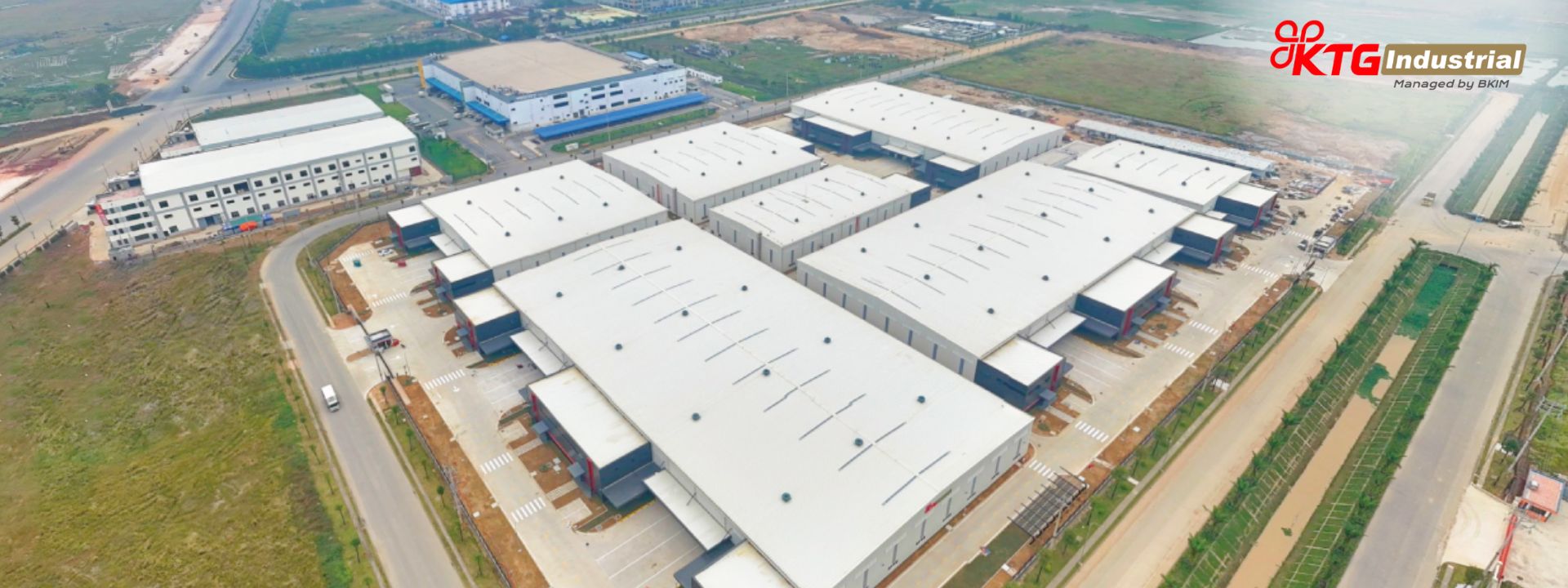
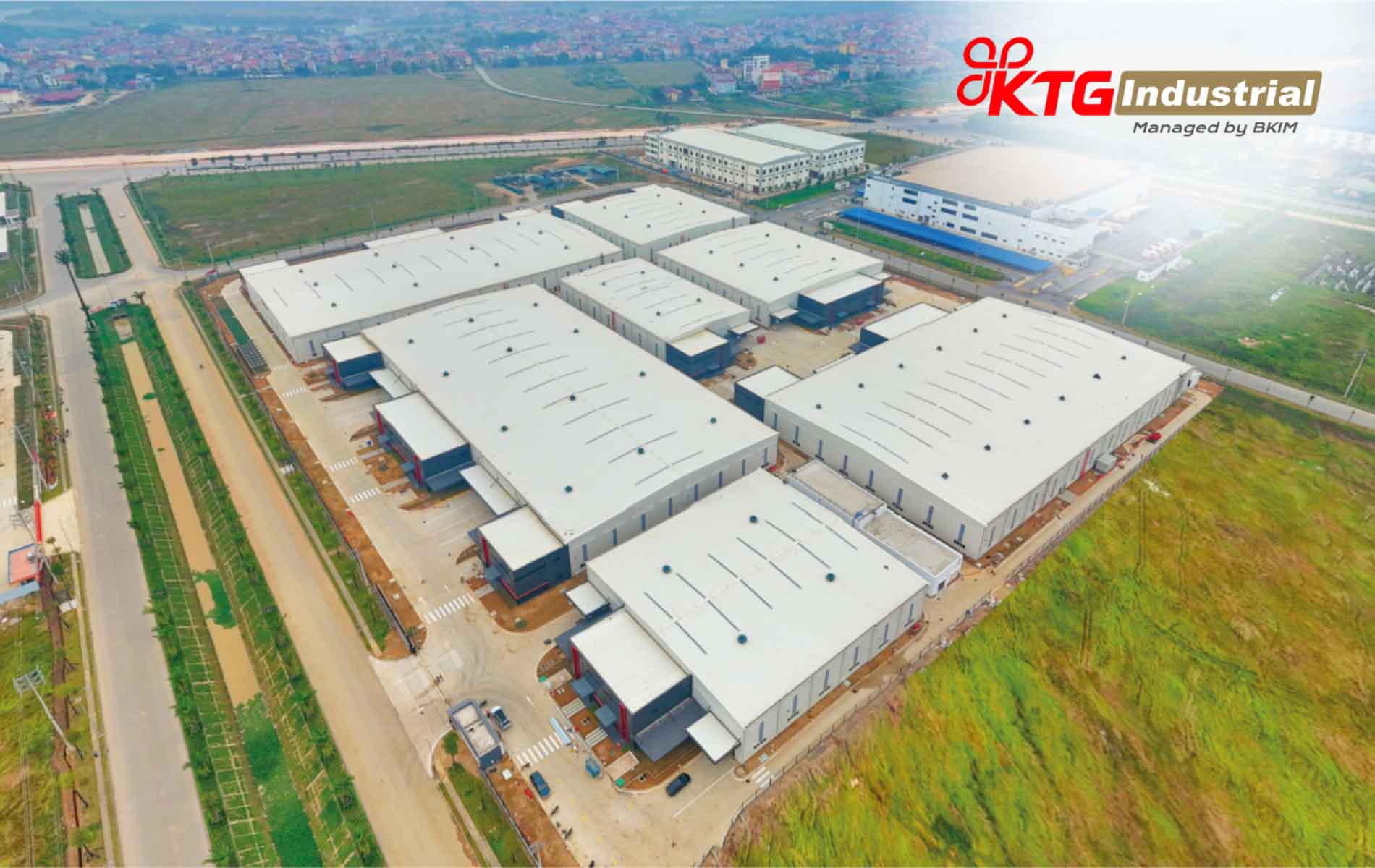
To address this trend, KTG Industrial has developed a portfolio of ready-built factories and ready-built warehouses serving a wide range of manufacturing industries, particularly the high-tech and electronics sectors.
This is a joint venture between Khai Toan Group (Vietnam) and Boustead Projects (Singapore), forming a sustainable partnership known as BKIM to develop a high-quality industrial real estate ecosystem.
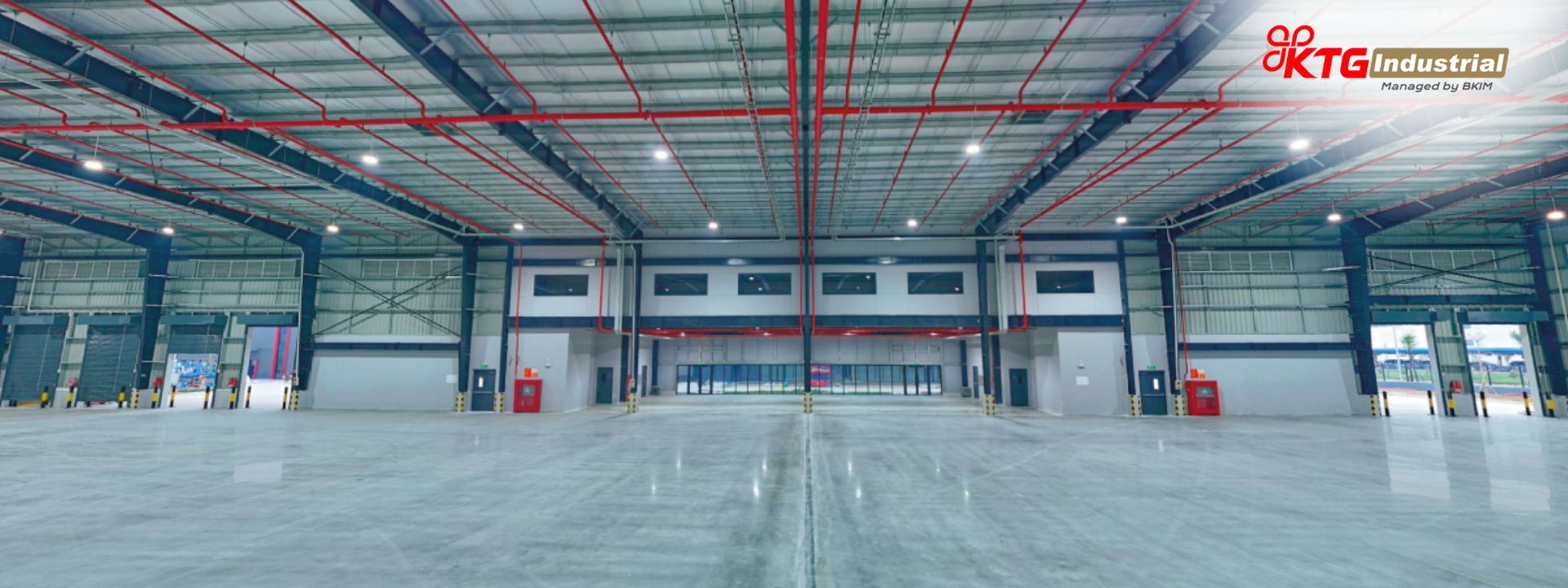
KTG Industrial’s projects feature integrated technical infrastructure, including reliable power supply, compliant wastewater treatment systems, and facilities designed to meet the requirements of the semiconductor industry as well as other high-tech sectors.
At the same time, the company is leading the transition toward green industrial real estate through rooftop solar power systems and its commitment to achieving LEED, LEED Gold certifications. These initiatives help FDI enterprises shorten factory commissioning timelines while meeting the ESG standards required by global supply chains.
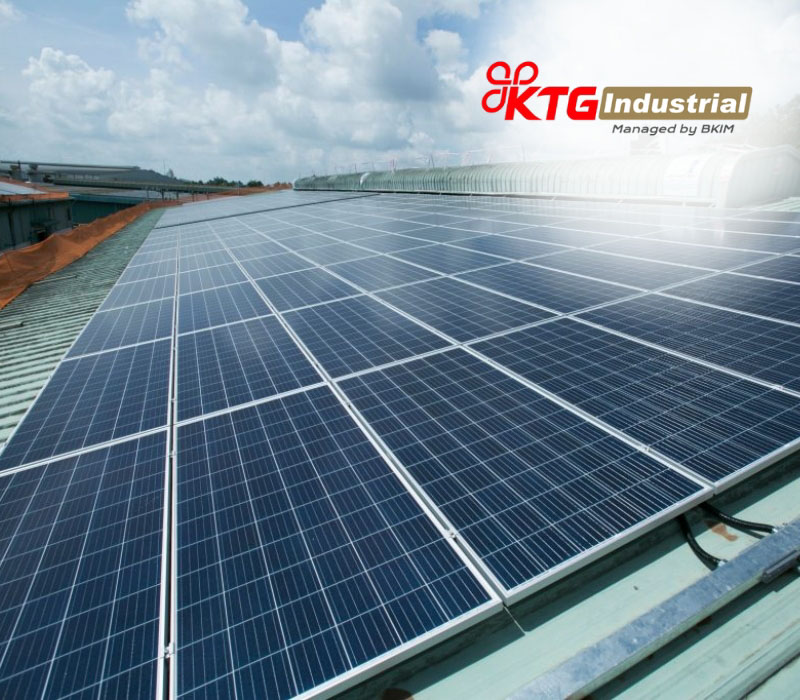
KTG Industrial integrates rooftop solar power systems to advance its green industrial real estate strategy
Conclusion
Vietnam’s industrial real estate market is entering a new phase of in-depth development, where infrastructure quality, green standards, and the ability to meet the requirements of high tech industries will become key competitive advantages.
These factors are also expected to provide a strong foundation for attracting additional FDI and enabling deeper integration into global supply chains..
References
[1] Phuong Uyen (2026). Cuoc choi moi cua bat dong san cong nghiep. Bao VnExpress.
https://vnexpress.net/cuoc-choi-moi-cua-bat-dong-san-cong-nghiep-5014106.html