


The concepts of Net Zero and stranded assets may sound unfamiliar, but in practice, the risks associated with them can directly affect tenant businesses.
This article by KTG Industrial decodes these seemingly complex terms, offering multi-dimensional perspectives and practical considerations.
As a result, enterprises can make smarter site selection decisions, reducing risk while optimizing operational efficiency in the industrial real estate environment.
What does Net Zero mean in an industrial context?
Net Zero in industry refers to a state of balance between the amount of carbon emissions generated and the amount removed from the atmosphere.
For factory tenants, this concept plays a critical role in business strategy for three main reasons:
Pressure from global supply chains: Multinational corporations such as Apple, Nike, Lego, and Samsung are imposing mandatory green certification requirements on their partners.
Risk of exclusion: If enterprises lease factories that do not meet Net Zero standards, they face the risk of being removed from supplier lists of major global supply chains.
Regulatory compliance and tax optimization: Choosing “green” factories helps enterprises overcome trade barriers such as the Carbon Border Adjustment Mechanism (CBAM) in the EU and the US, thereby reducing carbon tax burdens and financial risks [1].
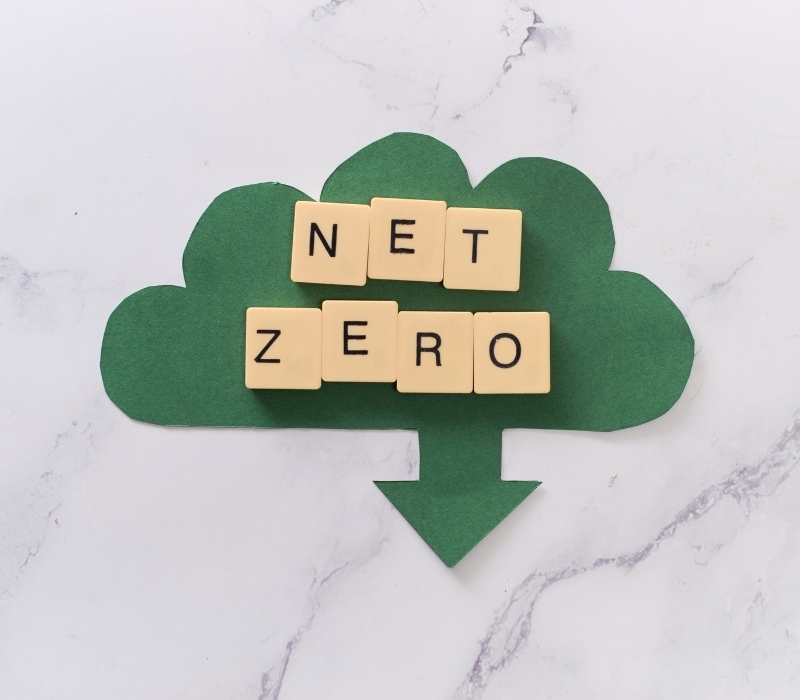
Currently, an increasing number of enterprises are meeting Net Zero standards
What are stranded assets?
Stranded assets are investment assets, including real estate and infrastructure, that have already lost or are at risk of losing significant value, becoming unusable or requiring early write-downs before the end of their expected life cycle.
Main causes
Assets become “stranded” primarily due to misjudgments or inaccurate valuations, including:
- Regulatory changes: Stricter environmental regulations.
- Market shifts: Demand evolving toward sustainability.
- Technological advances: Obsolescence of outdated technologies.
- Environmental risks: Natural factors and climate change [2].
Impact on industrial real estate
This phenomenon creates a dual risk for both sides:
- For owners: Exposure to significant financial risk due to asset devaluation and reduced liquidity.
- For tenants: Leasing stranded assets leads to excessive operating costs and a loss of competitive advantage within green supply chains [3].
Risk assessment tools
To assess these risks in real estate, tools such as the Carbon Risk Real Estate Monitor (CRREM) have been developed to quantify carbon and energy intensity, helping identify assets at risk of becoming stranded in the future [4].
The connection: Transition risk from a tenant perspective
From reporting requirements to compliance pressure
As the policy landscape evolves, transition risk is becoming more pronounced for tenants, particularly in energy-intensive sectors.
Many countries are no longer limiting their approach to encouragement, but are moving toward mandatory energy reporting requirements for enterprises.
At the same time, performance assessment criteria are being adjusted. Instead of focusing solely on energy consumption per square meter as in the past, the emerging trend emphasizes per capita energy use and the actual utilization level of space.
This approach aims to reduce waste in areas that are underutilized or not yet fully occupied, thereby increasing pressure on assets with low operational efficiency.
Why should tenants be concerned?
Operating costs (OPEX) escalating rapidly
For tenants, underestimating this factor can quickly turn into a heavy operating cost burden.
Factories that rely on outdated technical systems typically consume large amounts of electricity, causing energy bills to rise sharply over time.
As electricity prices continue to increase, this portion of OPEX becomes not only difficult to control but also a significant financial risk, directly eroding profit margins and weakening business competitiveness.
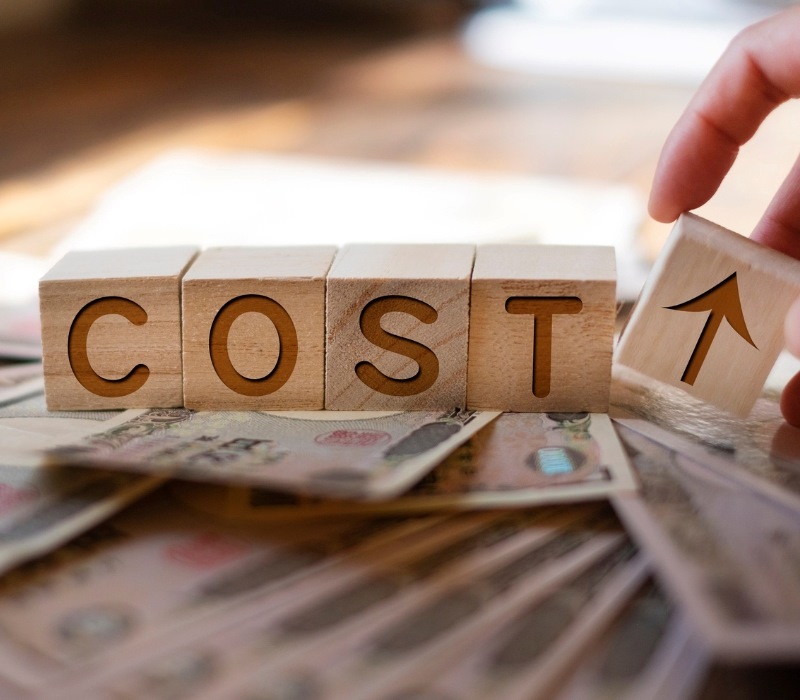
High operating costs are a challenge for many enterprises
Business Interruption risk
Another risk that is often underestimated is the potential disruption to manufacturing and logistics operations.
When new regulations are enforced, property owners may be required to undertake large-scale retrofits to meet compliance requirements.
These renovation processes bring noise, dust, and operational space constraints. In some cases, they may even force tenants to temporarily halt production or consider relocation, causing supply chain disruptions and significant losses in time and cost.
Reputation risk (Reputation Risk and Scope 3)
Beyond cost and operations, reputation risk is becoming increasingly evident for tenants.
When operating in buildings with high emissions, enterprises find it almost impossible to improve the quality of their ESG reporting, particularly in Scope 3 emissions related to the value chain [5].
This weakens brand image in the eyes of partners and customers.
At the same time, locating production facilities in properties that do not meet green standards also makes it more difficult for enterprises to access green financing from banks, as the operating site fails to meet environmental and governance requirements.
KTG Industrial: Solutions for Net Zero objectives
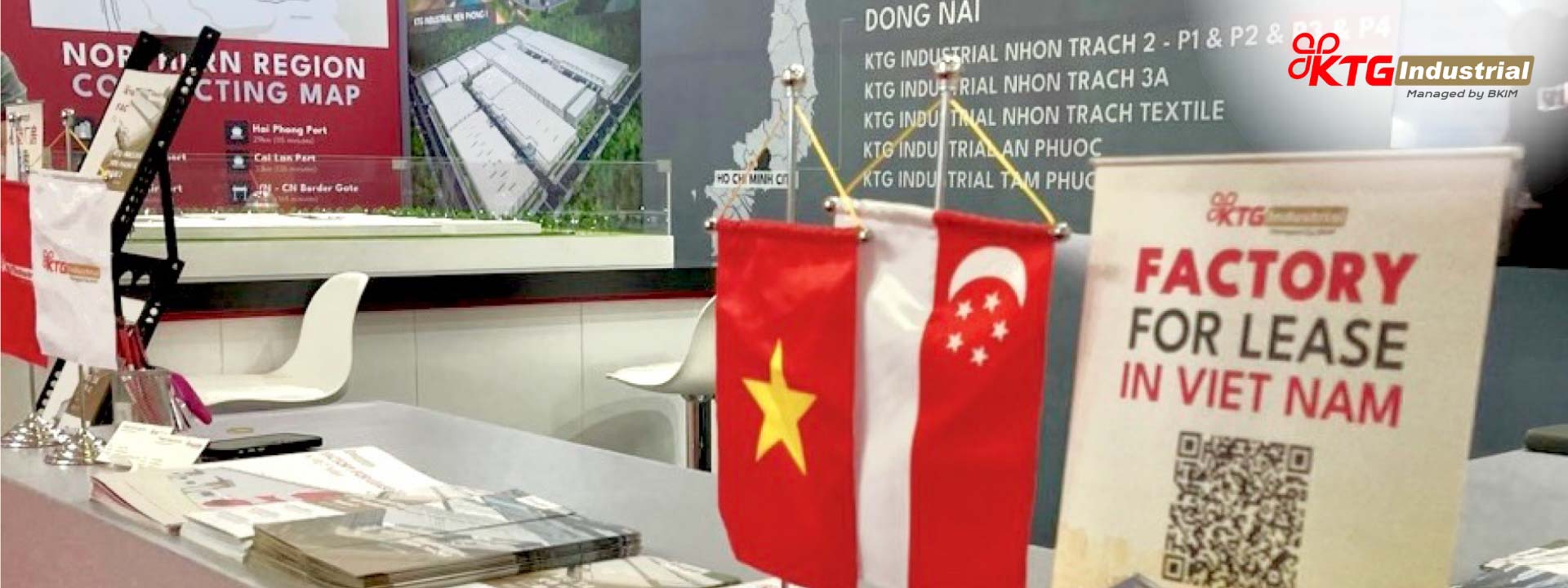
KTG Industrial is regarded as a viable option for enterprises pursuing Net Zero goals thanks to its integrated approach to sustainable industrial park development.
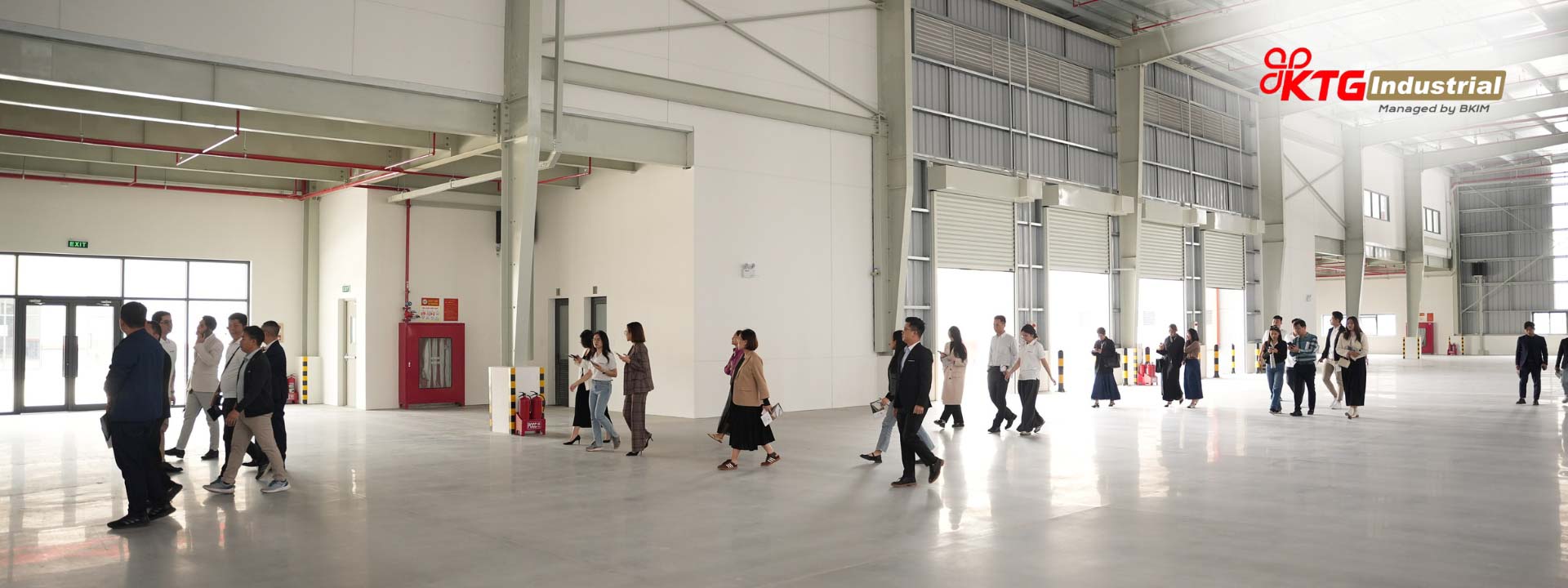
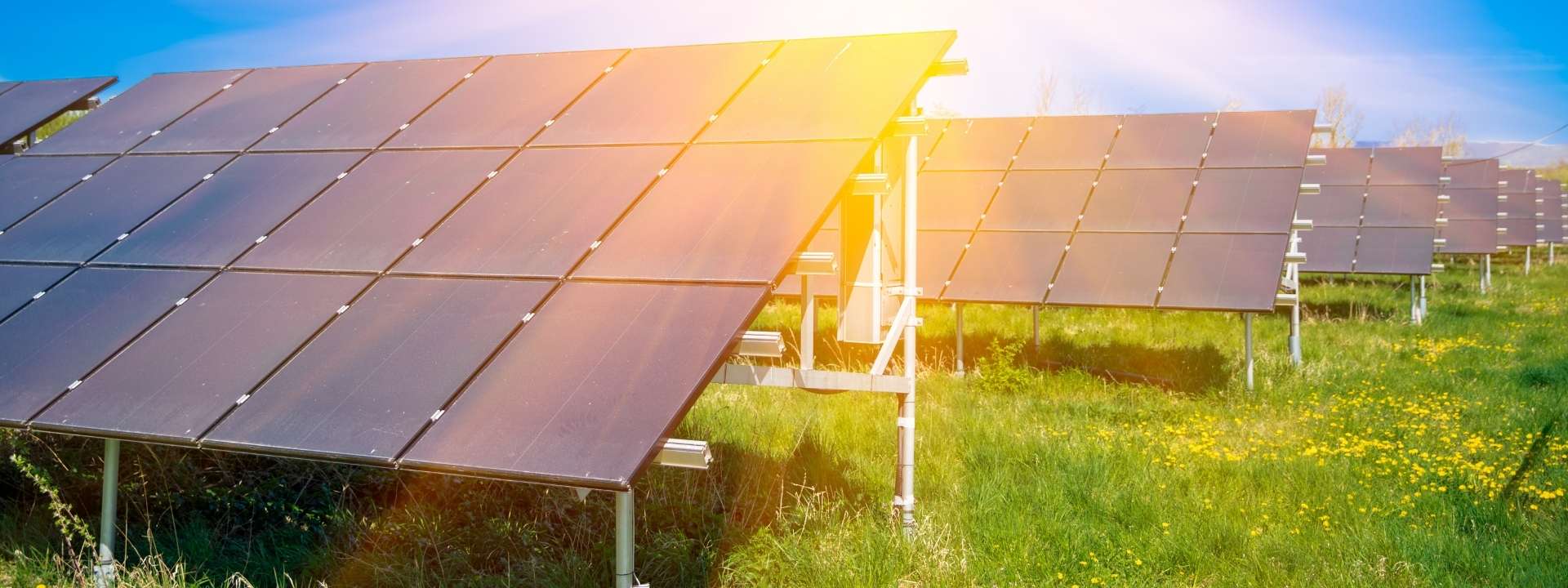
Rather than merely providing production space, KTG Industrial builds an industrial ecosystem that emphasizes infrastructure efficiency, from industrial flooring, rooftop solar power systems, and natural ventilation and daylighting, to electrical systems optimized for long-term operations.
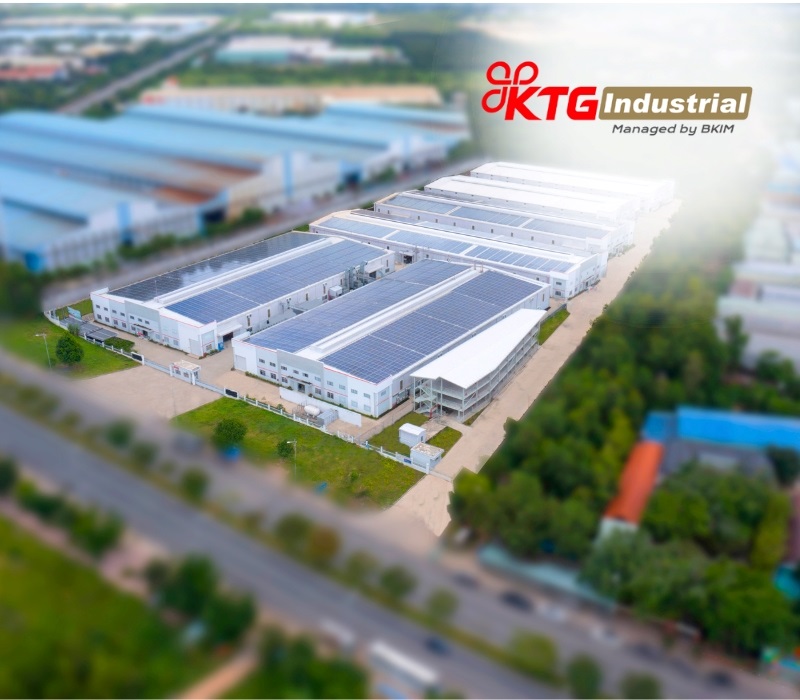
KTG Industrial Nhon Trach 3 utilizes a rooftop solar power system
In parallel, a clearly defined ESG roadmap is implemented, with ready-built warehouses and factories achieving LEED and LEED Gold standards, enabling enterprises to gradually reduce emissions.
As a result, tenants can be confident in a green, stable production platform that is better adapted to regulatory changes.
Conclusion
In a context where Net Zero is no longer a trend but is gradually becoming a standard, the concept of stranded assets provides a practical perspective for industrial real estate tenants.
Therefore, selecting a production site today not only affects short-term operating costs but also determines long-term legal, financial, and reputational risk exposure.
References
[1] Taxation and Customs Union (2025). Carbon Border Adjustment Mechanism.
https://taxation-customs.ec.europa.eu/carbon-border-adjustment-mechanism_en
[2] Ben Caldecott, James Tilbury, Christian Carey (2014). Stranded Assets Programme Discussion Paper: Stranded Assets and Scenarios. Smith School of Enterprise and Environment – University of Oxford.
[3] Terabee (2025). What’s the connection between Net Zero buildings and the risk for the Real Estate industry?.
https://www.terabee.com/Net Zero-buildings-and-real-estate-risk/
[4] Jens Hirsch, Maximilian Spanner, Julia Wein, Juan José Lafuente, Peter Geiger, Hunter Kuhlwein, Martin Haran, Stanley McGreal, Peadar Davis, Jim Berry, Michael McCord, Daniel Lo, Philip Griffiths, Rik Recourt, Erik Landry, Paloma Taltavull, Raul Perez, Francisco Juárez, Ana Maria Martinez, Dirk Brounen (2023). CRREM Risk Assessment Reference Guide. Carbon Risk Real Estate Monitor (CRREM).
[5] Brodie Boland, Cindy Levy, Rob Palter, Daniel Stephens (2022). Climate risk and the opportunity for real estate. McKinsey.
https://www.mckinsey.com/industries/real-estate/our-insights/climate-risk-and-the-opportunity-for-real-estate