

Is leasing green factories today still a proactive choice, or has it become a necessary condition for FDI enterprises as ESG receives increasing attention?
As environmental factors and social responsibility directly influence investment strategies, the process of selecting suitable production infrastructure in Vietnam has become more complex.
The following article from KTG Industrial analyzes these practical challenges.
Why are FDI enterprises racing to choose green industrial parks?
From an international perspective
The EU’s implementation of CBAM has required enterprises to disclose carbon emission data directly at the production stage, rather than focusing solely on exports.
As a result, factory location, access to clean energy, and green infrastructure standards within industrial parks (IPs) have become critical conditions.
In addition, the EU’s CSRD directive expands reporting requirements across the entire supply chain, meaning that factories, logistics systems, and operating partners all directly affect ESG compliance and the transparency of financial reporting.
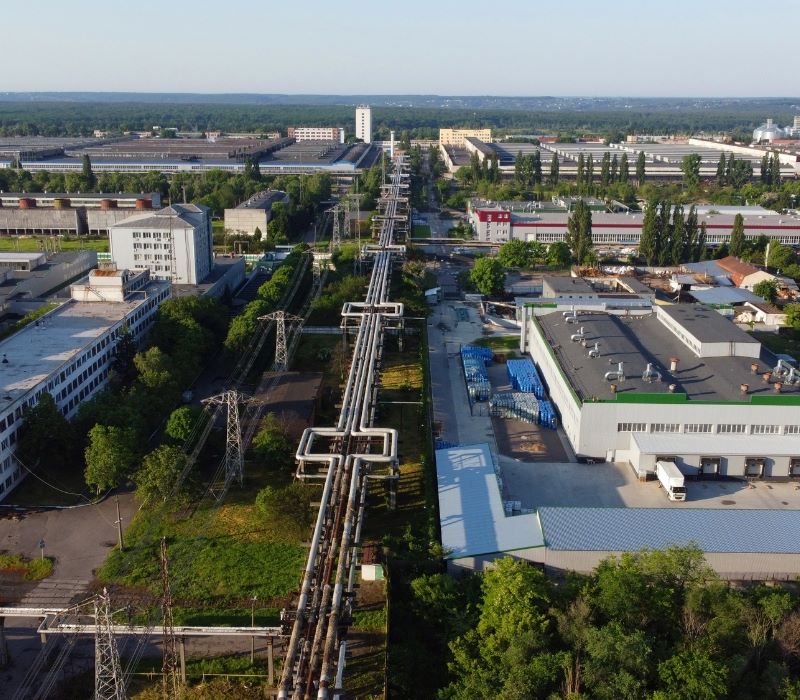
Environmental transparency requirements push FDI enterprises to prioritize green industrial parks
At the domestic level
In Vietnam, Power Development Plan VIII, together with the orientation toward developing eco-industrial parks, is gradually forming new criteria for screening investment projects.
Models that lack sustainable energy solutions, environmental control, and synchronized social infrastructure will find it difficult to attract high-quality FDI capital.
Therefore, green industrial parks are seen as a strategic direction, enabling FDI enterprises to meet international requirements while reducing long-term legal and operational risks.
Three major challenges from ESG
Environmental challenge (E): The renewable energy equation
Delays in the DPPA mechanism (Direct Power Purchase Agreement)
During the implementation of ESG in Vietnam, many FDI enterprises face difficulties in accessing renewable energy.
Previously, regulations required all power purchase and sales activities to go through EVN, making the direct use of wind or solar power from private suppliers almost unfeasible.
Currently, although Power Development Plan VIII has been approved, the direct power purchase agreement (DPPA) mechanism still lacks detailed implementation guidelines [1].
As a result, even enterprises with strong financial capacity and clear ESG commitments struggle to access officially recognized clean power, forcing them to be more cautious when selecting industrial parks and accompanying energy infrastructure.
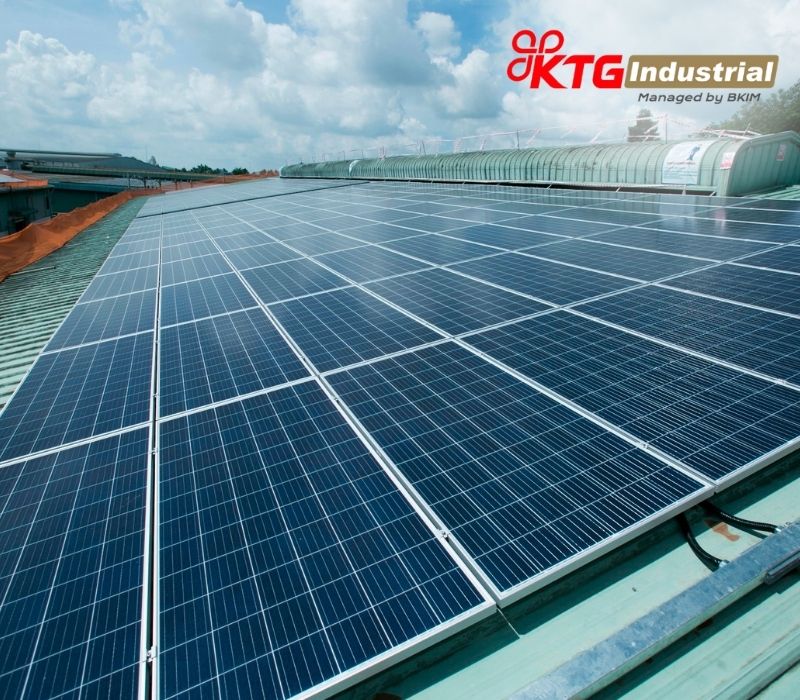
Delays in finalizing DPPA make it difficult for FDI enterprises to access clean energy
Uncertainty around rooftop solar power
Many FDI enterprises expect rooftop solar power to provide rapid access to clean energy. However, practical implementation in Vietnam still faces a number of limitations.
Currently, Decree 58/2025 allows the development of self-generation and self-consumption rooftop solar models, but enterprises are still required to complete notification and registration procedures with regulatory authorities and power utilities to ensure operational safety [2].
In addition, technical and fire prevention requirements for factories, especially large scale facilities or older plants, are relatively stringent.
If electricity output is not fully consumed, grid connection or resale back to the power system remains difficult due to the lack of pricing frameworks and clear guidance [3].
Therefore, FDI enterprises should prioritize industrial parks that already offer integrated self consumption rooftop solar systems or are located in areas piloting the direct power purchase agreement (DPPA) mechanism to reduce implementation risks.
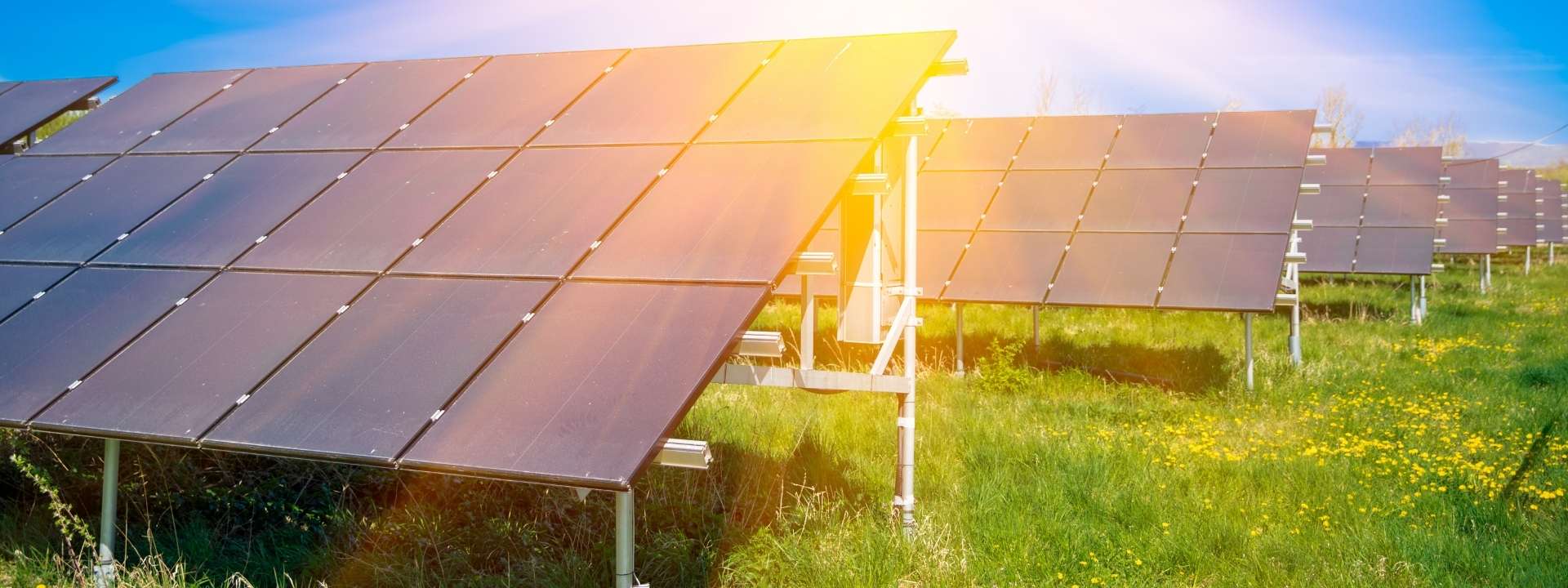
KTG Industrial owns integrated rooftop solar power infrastructure
Social challenge (S): Not only wages and benefits, but long term stability
Beyond wages and benefits, living conditions and access to social housing for workers are playing an increasingly important role in ESG assessments.
However, in many industrial parks, the supply of NOXH remains limited due to complex investment procedures and prolonged development timelines.
In the competition to attract skilled labor, FDI enterprises located in industrial parks with integrated accommodation infrastructure and supporting amenities tend to maintain a more stable workforce.
Therefore, when selecting production locations, it is essential to consider the surrounding radius of the industrial park. Where service land or housing is insufficient, transportation and labor management costs are likely to increase significantly over the long term.
Governance challenge (G): Transparency and data gaps
In practice, many enterprises in Vietnam still lack clear ESG commitments and standardized reporting systems.
This becomes a major limitation when FDI enterprises are required to consolidate emission data, particularly Scope 3, for reporting to parent corporations.
Without transparent information on wastewater treatment, waste management, or energy consumption, audit processes become significantly more challenging.
Therefore, FDI enterprises should prioritize smart industrial parks where operational data is digitalized and readily available for reporting when required.
Outlook for the future: Vietnam remains a “bright spot”
Despite ongoing challenges related to infrastructure and regulatory frameworks, Vietnam continues to be viewed as a promising destination for sustainable investment flows.
An increasing number of enterprises are expected to implement ESG commitments within the next 2 to 4 years, aligning with the Government’s Net Zero 2050 roadmap.
At the same time, current constraints create opportunities for FDI enterprises to negotiate more favorable pricing at industrial parks undergoing a transition toward green development.
Against this backdrop, the market is gradually moving away from traditional industrial park models toward eco industrial parks, led by VSIP, DEEP C, and Viglacera.
KTG Industrial – ESG oriented industrial real estate solutions
KTG Industrial aims to position itself as an industrial real estate developer aligned with ESG standards, prioritizing green infrastructure development, efficient operations, and transparent data management.
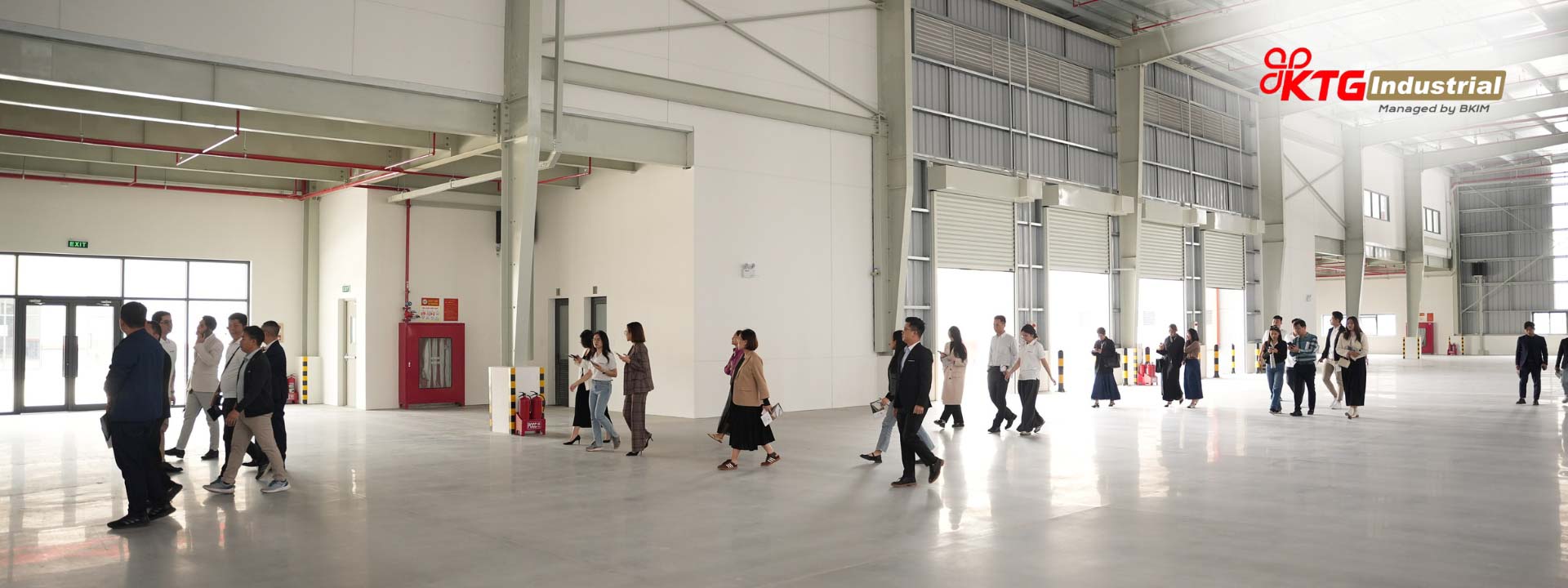
KTG Industrial’s ready-built warehouses and factories are developed under a comprehensive master plan, integrating sustainable energy solutions, safe working environments, and modern governance systems.
Through this approach, FDI enterprises can meet increasingly stringent ESG requirements while maintaining cost control and mitigating long term operational risks in Vietnam.
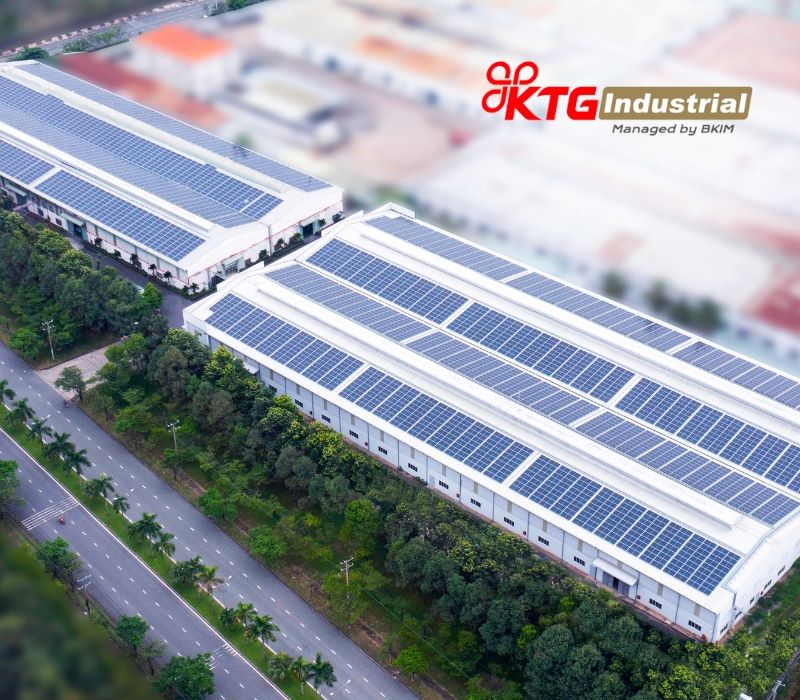
KTG Industrial accompanies FDI enterprises in developing ESG aligned green factories
Conclusion
The adoption of ESG is increasingly influencing investment decisions, making the leasing of green factories a long term direction for many FDI enterprises.
Although Vietnam continues to face challenges related to legal frameworks, infrastructure, and data availability, the trend toward green and eco industrial park development is becoming more evident.
Accordingly, enterprises that proactively select suitable infrastructure from the outset can reduce compliance risks, better control operating costs, and establish a stable foundation for sustainable growth.
References
[1] Ky Phuong (2025). Mua ban dien truc tiep theo co che van con la “nut that”. Thoi bao Tai chinh Viet Nam.
https://thoibaotaichinhvietnam.vn/mua-ban-dien-truc-tiep-theo-co-che-van-con-la-nut-that-183871.html
[2] Thu Hang (2025). Tuan thu quy dinh phap luat khi lap dat dien mat troi mai nha. Bao Hai Phong.
https://www.vietnam.vn/tuan-thu-quy-dinh-phap-luat-khi-lap-dat-dien-mat-troi-mai-nha
[3] Thach Lam (2025). Installing solar power, people and businesses are still stuck in procedures and legality. Bao Lao dong.