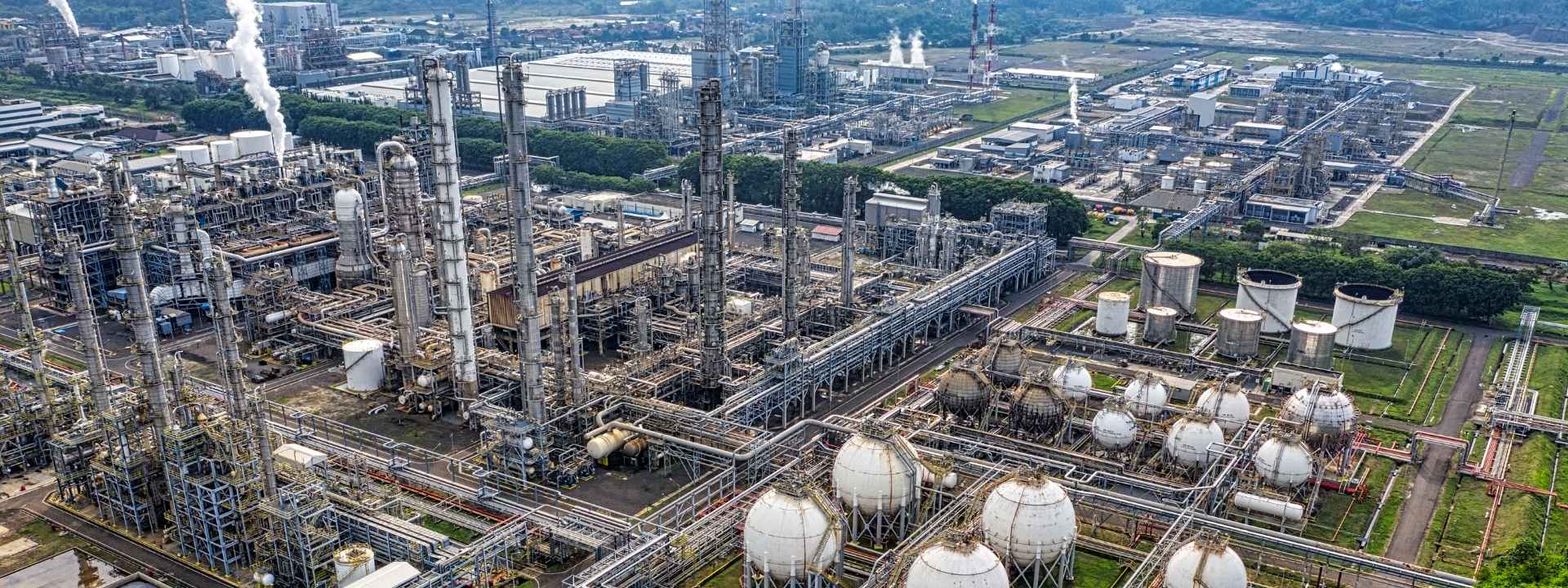



In Vietnam, artificial intelligence is unlocking new opportunities to accelerate the development of green industrial real estate.
In line with the global “Twin Transition” trend, which integrates Green Transition with Digital Transformation, AI not only monitors operations but also optimizes energy usage.
This helps businesses alleviate cost pressures while supporting Vietnam in achieving the Net Zero commitment announced at COP26. Through this article, KTG Industrial provides in-depth insights into how AI is driving green industrial real estate development in Vietnam.
Operating Mechanism: How AI Makes Industrial Factories Greener
Operational Optimization
AI enables real-time optimization of core systems such as lighting, HVAC (heating, ventilation, and air conditioning), and security systems, thereby reducing unnecessary energy consumption.
When integrated into building or factory management systems, AI continuously analyzes environmental data, occupancy levels, and temperature conditions to automatically adjust operations based on actual demand and avoid waste.
A global review of more than 126 studies indicates that AI-powered HVAC systems can reduce average energy consumption by approximately 22.3 percent compared with traditional control methods. This translates into substantial savings in electricity costs and emissions.
Beyond HVAC, when AI also controls smart lighting and other supporting equipment, the total energy consumption of factories can be further reduced, improving overall energy efficiency while maintaining stable operations [1].

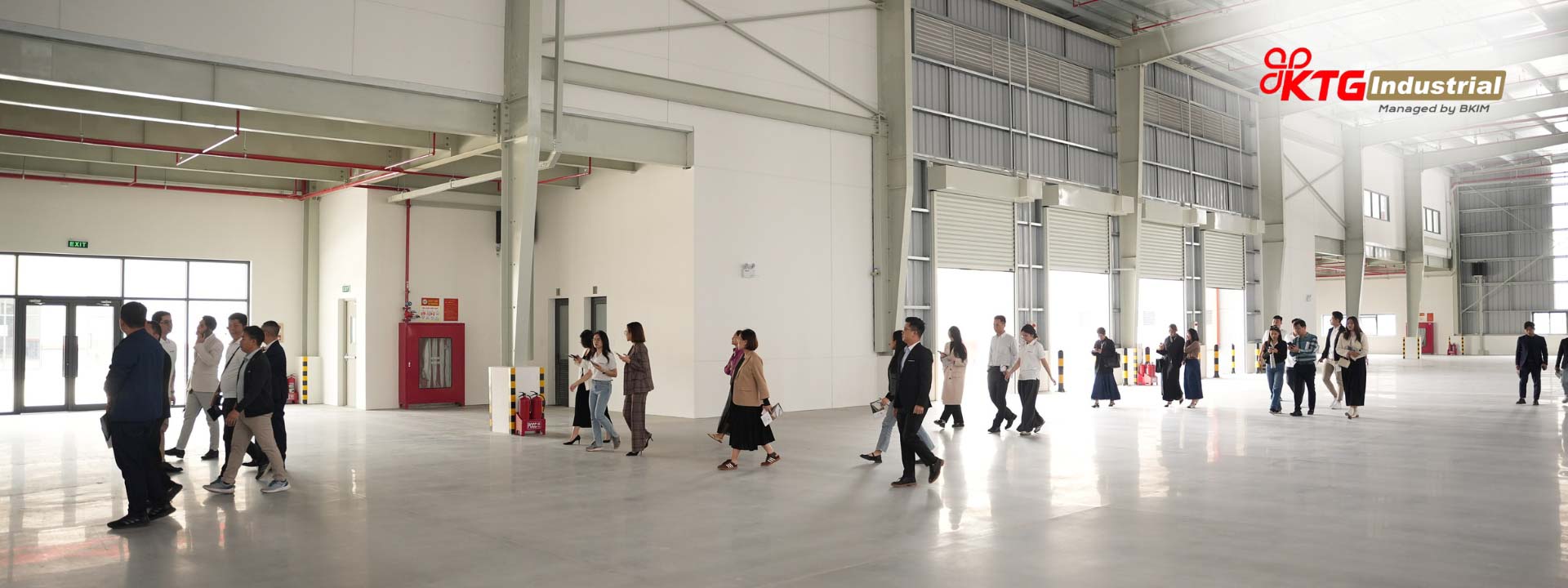
AI optimizes lighting to reduce excess energy consumption
Predictive Maintenance
Predictive maintenance enables continuous monitoring of resource usage such as electricity and water, while forecasting equipment failures. This approach reduces waste, lowers repair costs, and improves operational efficiency.
Instead of responding after a breakdown occurs, AI can issue early warnings up to one week in advance when machinery exhibits anomalies.
According to industry research, this solution can reduce downtime by up to 50 percent and extend equipment lifespan by as much as 40 percent [2].
Generative Design and Digital Twins
Digital Twin technology creates a virtual model of the factory from the design stage, allowing optimization of lighting systems, HVAC layouts, and material selection to improve energy efficiency before construction begins.
During operations, the model is connected to IoT sensors to monitor performance, detect anomalies, and support predictive maintenance.
Through advanced simulation, businesses can reduce design risks, minimize costly on-site modifications, and significantly enhance overall energy efficiency.
Economic question: Why does AI deliver higher returns?
“Greenium” – The added value of green real estate
The application of AI in buildings that meet green standards such as LEED or LOTUS not only optimizes energy efficiency but also helps increase rental prices and improve occupancy rates, creating added value known as Greenium [3].
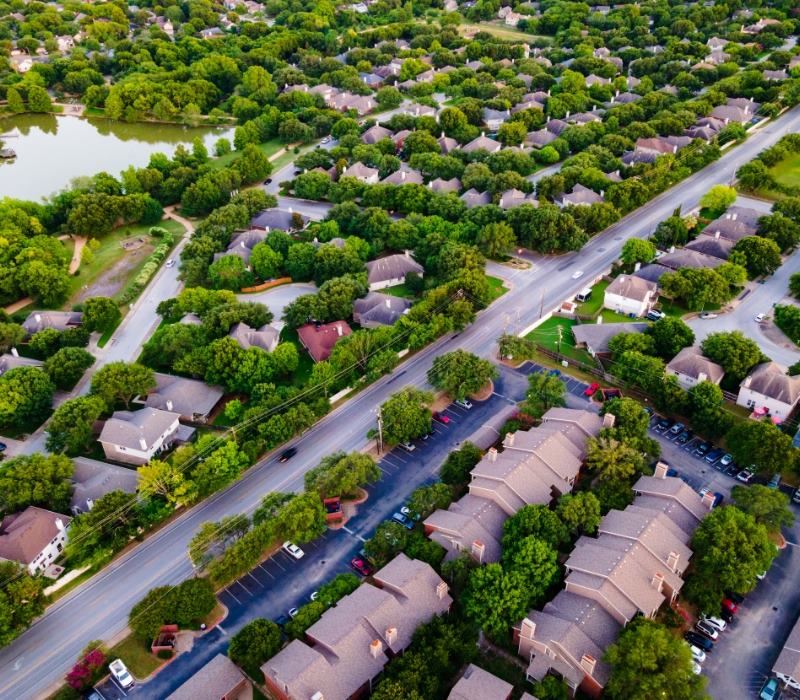
AI in green buildings helps optimize energy and increase real estate value
Simplifying legal compliance
AI supports the automation of ESG reporting and greenhouse gas inventory, enabling businesses to easily comply with regulations such as Decree 06/2022/ND-CP on greenhouse gas emission management in Vietnam.
As a result, AI helps reduce operating costs while ensuring both financial benefits and legal compliance.
Challenges to overcome for sustainable development
The paradox of “AI consumes electricity”
One of the major paradoxes of the smart factory model is that AI consumes a significant amount of electricity, with Data Centers worldwide accounting for approximately 3.5 percent of total electricity consumption [4].
This creates considerable pressure for Vietnamese enterprises when developing green industrial real estate, as energy costs may rise significantly without effective management solutions.
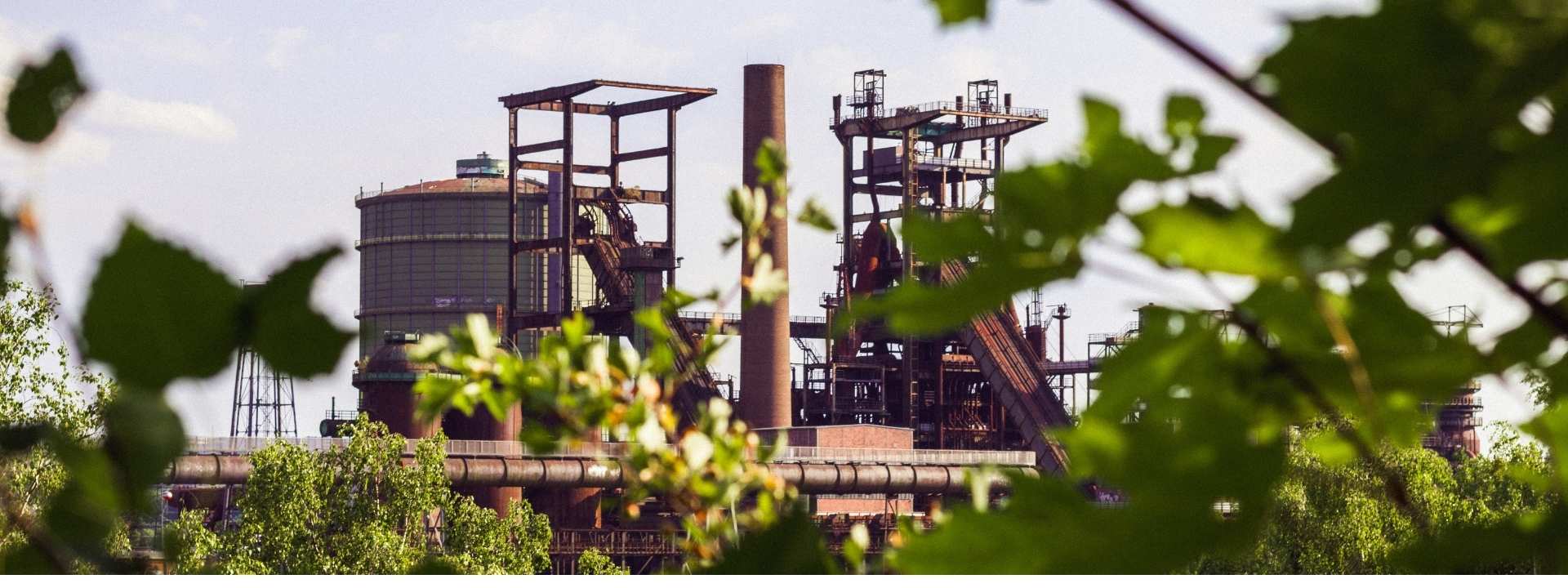
AI consumes a considerable amount of electricity
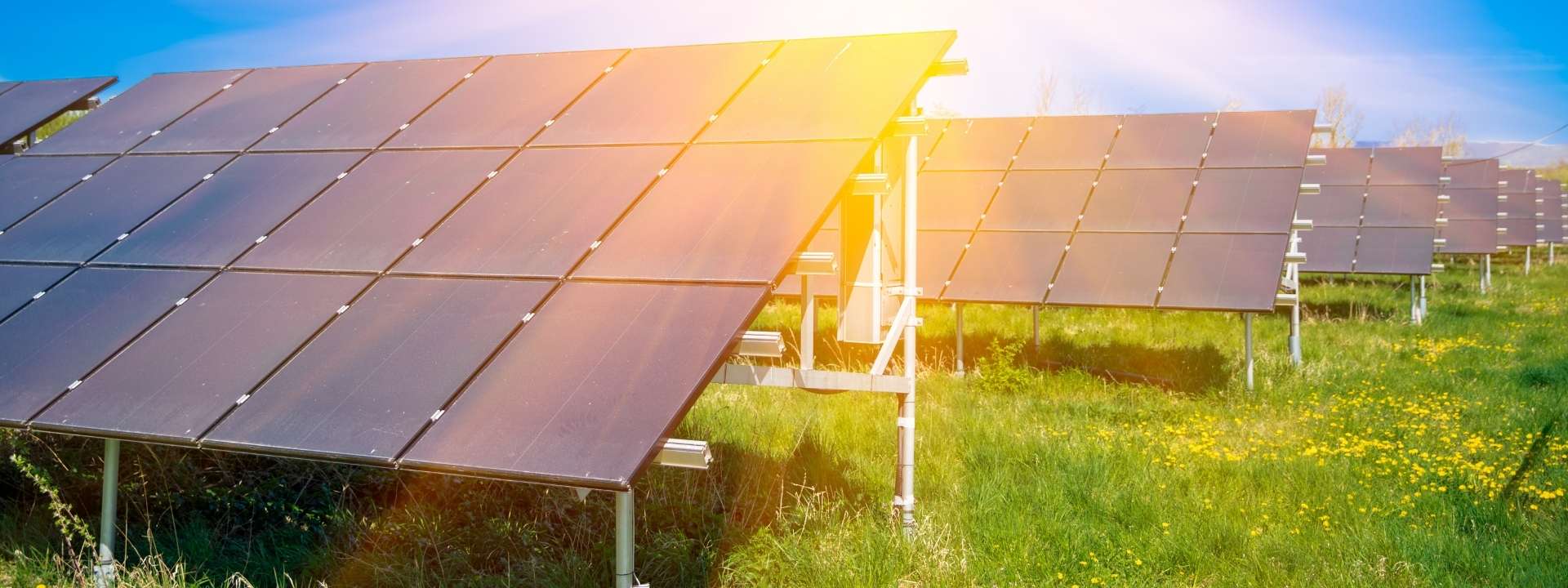
To address this issue, enterprises can take advantage of the DPPA mechanism (Direct Power Purchase Agreement), while simultaneously combining it with existing solar power infrastructure within modern industrial parks.
As a result, factories not only function as production facilities but also operate as Microgrids that partially supply their own energy.
This helps reduce operating cost pressure, improve energy efficiency, and ensure long-term commitments to green and sustainable development [5].
Lessons from Amazon/Microsoft & Applications in Vietnam
Large technology corporations such as Amazon and Microsoft have implemented PPA (Power Purchase Agreement – direct power purchase), which not only helps reduce energy costs but also enables partial self-generation of electricity from renewable energy projects.
This experience can be applied to Vietnamese enterprises, especially when combining AI with rooftop solar under the DPPA mechanism regulated by Decree 80/2024/ND-CP.
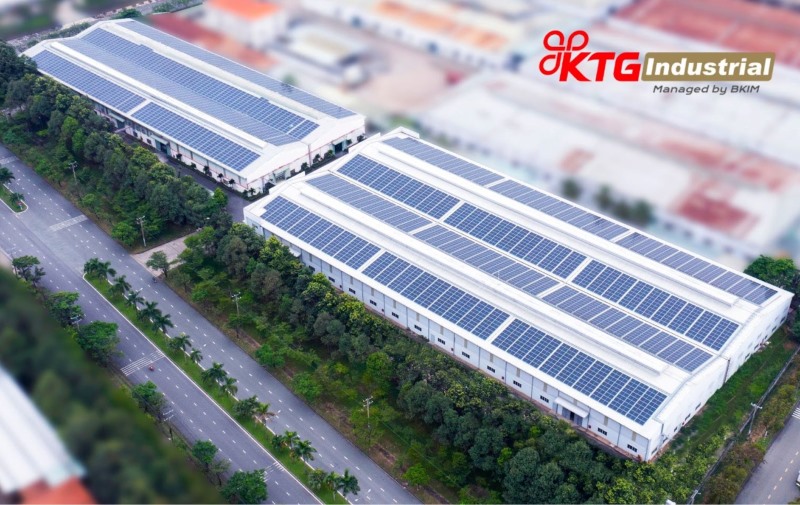
Pre-built factory of KTG Industrial Tam Phuoc B using rooftop solar power
As a result, factories become self-sufficient Microgrids, reducing technology operating costs while improving energy efficiency and ensuring sustainable development commitments.
By applying this model, industrial enterprises in Vietnam can optimize operations, reduce emissions, and simultaneously unlock economic benefits from green industrial real estate.
Conclusion
AI is proving its critical role in promoting green industrial real estate in Vietnam by optimizing energy use, reducing emissions, and improving operational efficiency.
When combined with renewable energy solutions, enterprises not only save costs but also contribute to fulfilling sustainable development commitments, opening up a new direction for Vietnam’s industrial sector.
References
[1] Ekanayaka Gunasinghalge, L.U.G., Alazab, A. & Talukder, M. Artificial intelligence for energy optimization in smart buildings: A systematic review and meta-analysis. Energy Inform 8, 135 (2025). https://doi.org/10.1186/s42162-025-00592-8
[2] Honeywell Forge (2021). The Evolution of Predictive Maintenance.
https://buildings.honeywell.com/content/dam/hbtbt/en/documents/downloads/CB_WP_Evolution-of-Predictive-Maintenance.pdf
[3] USGBC. LEED-certified green buildings are better buildings.
https://www.usgbc.org/leed
[4] IEA (2023). Data Centres and Data Transmission Networks.
https://www.iea.org/energy-system/buildings/data-centres-and-data-transmission-networks
[5] Huyen Vy (2024). Co che DPPA phu hop voi chu truong khuyen khich dau tu phat trien nang luong tai tao. VnEconomy.
https://vneconomy.vn/co-che-dppa-phu-hop-voi-chu-truong-khuyen-khich-dau-tu-phat-trien-nang-luong-tai-tao.htm